
Beautiful Plants For Your Interior
Beautiful Plants For Your Interior
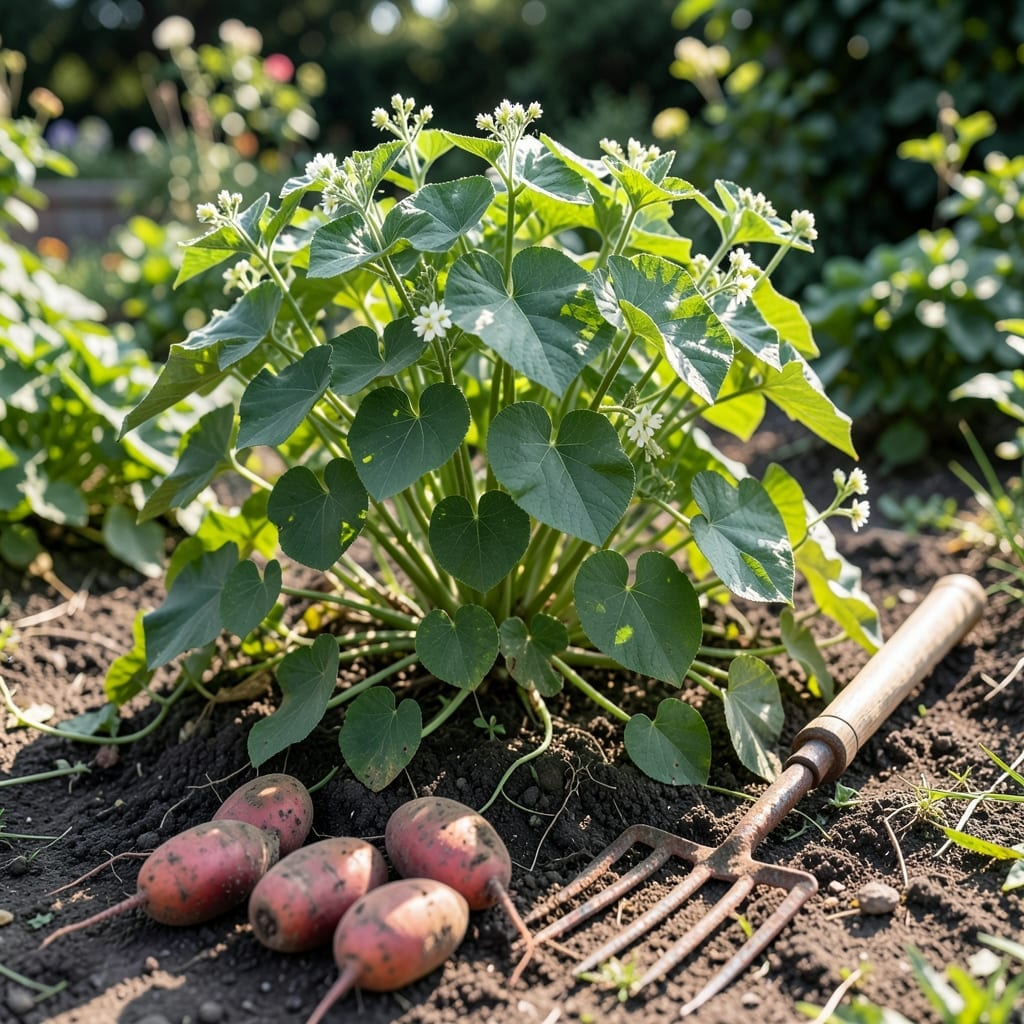
If you’re growing Sweet Potato 🍠 for the first time, one of the most pressing questions is how much you can actually harvest from a single plant.
The answer might surprise you—and it depends on several key factors you can control. From soil quality to planting techniques, small adjustments can make a big difference in your yield.
I’ve tested different methods in my own garden and found that with the right approach, each plant can produce a bountiful harvest. Whether you’re a beginner or seasoned gardener, understanding these variables is the key to success.
Let me walk you through what to expect and how to maximize your Sweet Potato production this growing season.

When I first started growing sweet potatoes, I was amazed to learn that a single plant can produce 3 to 5 tubers under ideal conditions. Some gardeners even report harvests of 6 to 10 from particularly healthy plants.
This yield varies based on growing conditions, variety, and planting techniques. Commercial farms often achieve higher numbers due to optimized spacing and soil management. In home gardens, you can expect a slightly smaller but still impressive harvest.
| Factor | Impact on Yield |
|---|---|
| Variety | Beauregard yields 4-6 tubers |
| Soil Quality | Loose, well-draining soil boosts production |
| Spacing | 12-18 inches apart prevents competition |
| Sunlight | 6+ hours daily maximizes growth |
The Beauregard variety is a top performer, often producing 4 to 6 sweet potatoes per plant. It thrives in warm climates and has a shorter growing season, making it ideal for many home gardeners.
Soil plays a huge role in yield. I’ve found that sandy loam with plenty of organic matter gives the best results. Sweet potatoes need room to expand, so avoid compacted soil at all costs.
Proper plant spacing is another key factor. I plant my slips 12 to 18 inches apart in rows that are 3 feet apart. This gives each plant enough space to develop a strong root system.
Sunlight is non-negotiable for sweet potatoes. They need at least 6 hours of direct sun daily, but 8 to 10 hours will significantly boost your harvest. In my experience, plants in full sun consistently outperform those in partial shade.
Watering habits also affect yield. Sweet potatoes prefer consistent moisture without waterlogging. I water deeply once a week, allowing the soil to dry slightly between waterings. This prevents rot while encouraging tuber formation.
Don’t overlook the importance of fertilization. A balanced 5-10-10 fertilizer applied at planting and again 4 to 6 weeks later provides the nutrients needed for maximum production. I’ve seen noticeable improvements in both plant vigor and yield with this approach.
Finally, harvest timing matters. Sweet potatoes are typically ready 90 to 120 days after planting. I wait until the leaves start yellowing or the vines slow their growth, which are clear signs that the tubers have reached their full size.
🌱Want to boost your sweet potato yield per plant? I’ve found that optimal spacing is key—give each plant 12-18 inches of room to spread its vines without competition.
Another game-changer is soil preparation. Sweet potatoes thrive in loose, well-draining soil with a pH of 5.8-6.5. I always mix in compost before planting to ensure rich, fertile ground.
Timing your watering schedule can also make a difference. I water 1-2 inches per week, tapering off as harvest time nears to prevent cracking. Morning watering helps avoid fungal issues.
Don’t overlook fertilization—a balanced 5-10-10 fertilizer every 4-6 weeks supports vine growth and tuber development. Too much nitrogen, though, can lead to leafy vines with fewer potatoes.
Finally, pest management is critical. Sweet potato weevils and deer can devastate crops. I use row covers early on and monitor for signs of trouble.
With these tips, you’ll see more tubers per plant and a healthier harvest overall. Happy gardening! 🌱