
Beautiful Plants For Your Interior
Beautiful Plants For Your Interior
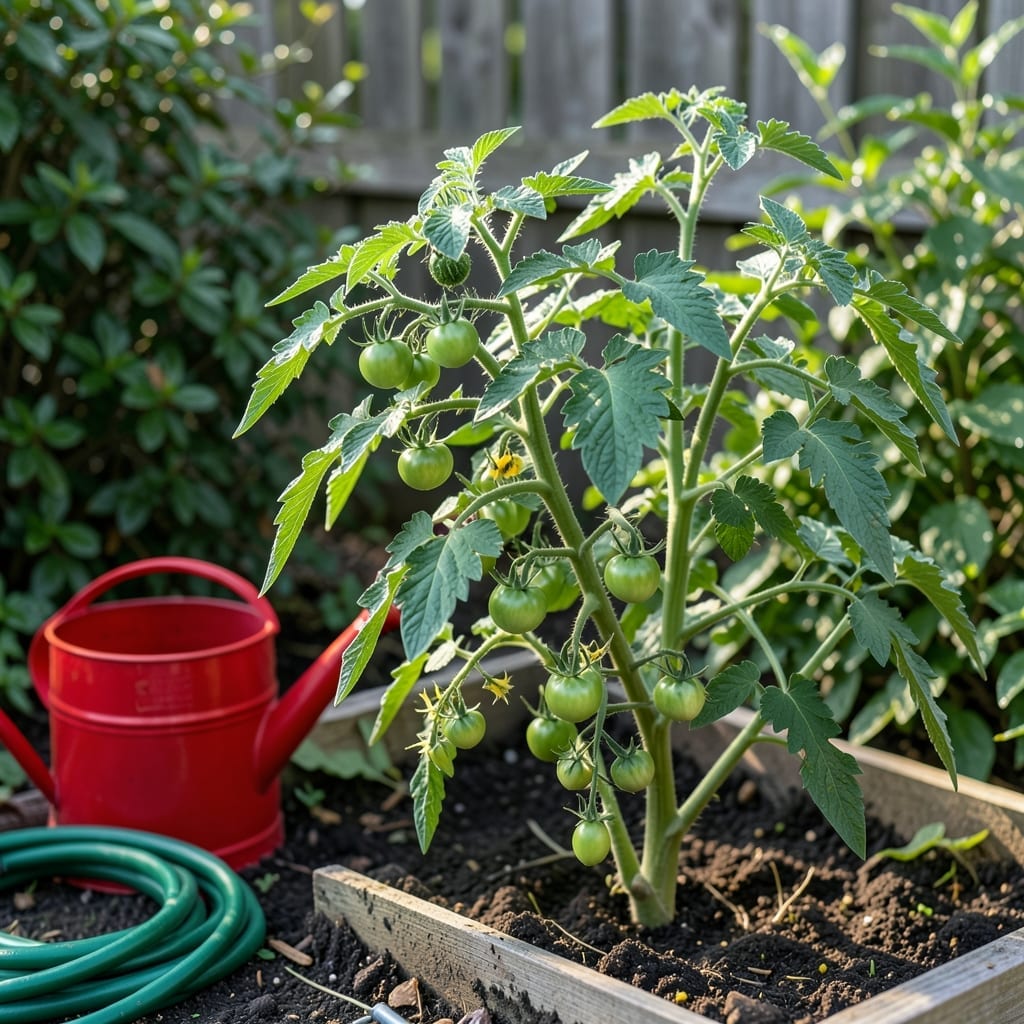
Overwatering or underwatering can spell disaster for your garden, but knowing exactly how long to water plants ensures thriving growth and vibrant blooms. This guide breaks down the science and practical tips to keep your 🌱 General Plant healthy.
I’ve seen too many gardeners struggle with wilting leaves or waterlogged soil. The solution isn’t complicated – it’s about understanding your plants’ needs and adjusting accordingly.
Discover the time-tested schedules that work for different types and climates. Let me show you how to make every drop count for your garden’s success.


I always tell gardeners that watering duration depends on plant type and local climate. Succulents need just 5-10 minutes once a week, while vegetables often require 15-20 minutes daily in hot weather.
Climate plays a huge role—in arid regions, you might water every 2-3 days, but in humid areas, once a week could suffice. Always check soil moisture before deciding.
| Plant Type | Watering Time | Frequency |
|---|---|---|
| Succulents | 5-10 minutes | Weekly |
| Vegetables | 15-20 minutes | Daily in heat |
| Flowers | 10-15 minutes | Every 2-3 days |
| Trees/Shrubs | 20-30 minutes | Weekly |
For container plants, I recommend the finger test: stick your finger 1-2 inches into the soil. If it feels dry, it’s time to water for 5-10 minutes until water drains from the bottom.
In raised beds, soil dries faster, so I water every other day in summer. Use a moisture meter for accuracy—it takes the guesswork out of how long to water plants.
Morning watering is ideal because it reduces evaporation and prevents fungal diseases. I set my timer for 6-8 AM and water for 10-15 minutes per zone.
For newly planted seeds, keep the soil consistently moist with light daily watering of 5 minutes. Once established, you can reduce to every 2-3 days for 10 minutes.
Drip irrigation is my go-to for efficiency. Set it for 20-30 minutes every 2-3 days in dry climates. This delivers water directly to roots with minimal waste.
In temperate climates, I adjust my schedule seasonally. Spring and fall need 10-15 minutes twice weekly, while winter may only require 5-10 minutes every 10-14 days.
Always observe your plants. Drooping leaves in the afternoon might mean thirst, but if they’re still droopy in the morning, you might be overwatering. Adjust your watering duration accordingly 🌱
I’ve learned that yellowing leaves often signal overwatering, while crispy brown edges usually mean underwatering. Your plants give clear signals if you know what to look for.
Wilting leaves can be tricky—they might indicate too much water or not enough. Check the soil moisture to be sure. Mushy stems are a red flag for overwatering.
For underwatered plants, I water deeply for 15-20 minutes immediately. For overwatered plants, stop watering and check drainage—ensure pots have drainage holes.
If you see mold growth on soil, that’s a sure sign of excess moisture. Move the plant to a sunnier spot and hold off on watering until the soil dries.
Leaf drop can occur with both issues. I use the finger test—if the top 2 inches of soil are dry, it’s time to water for 10-15 minutes.
In my experience, morning wilting that recovers by afternoon often means underwatering. But wilting that persists all day usually indicates overwatering or root rot 🌱