
Beautiful Plants For Your Interior
Beautiful Plants For Your Interior
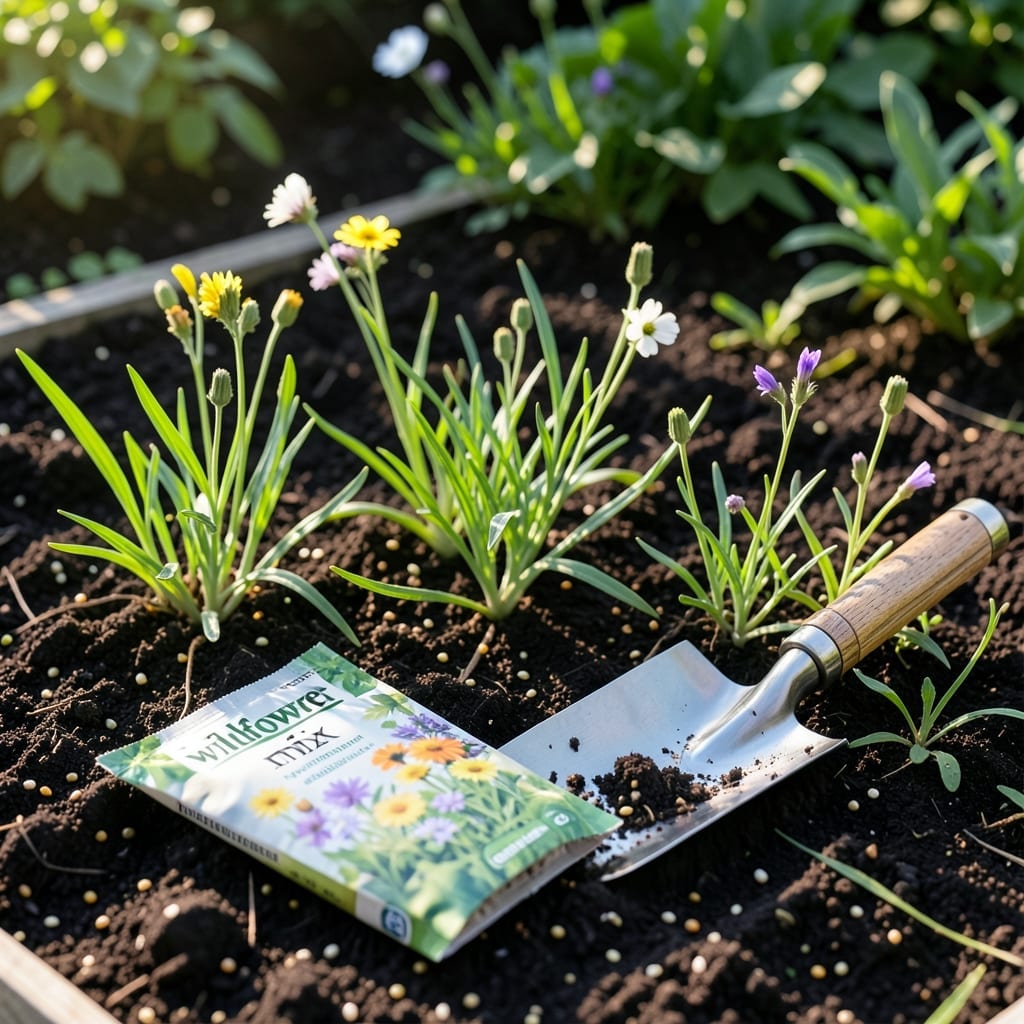
Patience is key when growing 🌸 Wildflowers from seed. The time it takes for those first vibrant blooms to appear can vary dramatically by species and conditions.
Understanding these timelines helps gardeners set realistic expectations and plan their wildflower meadows effectively. Whether you’re planting in Zone 6 or elsewhere, knowing what to expect makes the process far less frustrating.
I’ll walk you through the typical germination and blooming periods, plus the factors that can speed up or delay your wildflower display. Let’s discover how to get those beautiful blooms faster.
If you’re wondering how long for wildflowers to bloom from seed, the answer varies by species. Fast growers like California poppies may bloom in 45-60 days, while others take longer. 🌱
Cosmos and cornflowers typically flower in 60-90 days. Slower varieties like lupines or foxgloves can take 120-240 days to bloom from seed. 🌿
Environmental factors play a huge role in these timelines. Soil temperature above 60°F speeds up germination for most wildflowers. Cooler soils slow the process significantly. ☀️
Moisture levels are critical too. Keep soil evenly moist but not soggy during germination. Once established, most wildflowers are drought-tolerant and need less water. 💧
Sunlight exposure directly impacts growth rate. Most wildflowers need full sun (6+ hours daily) for optimal growth and fastest blooming. Shady spots will delay flower production.
In my experience, preparing the soil properly makes a big difference. Remove weeds and loosen the top 1-2 inches of soil before planting. This helps seeds make better contact with the earth.
For fall planting, expect blooms the following spring or summer. Many wildflowers need a cold stratification period to break dormancy. This is especially true for perennial varieties. 🌼
Annual wildflowers like cosmos often bloom faster than perennials. They complete their life cycle in one season, so they’re programmed to grow and flower quickly. Perennials invest more energy in root systems first.
I’ve found that mixing fast and slow bloomers creates a more continuous display. This way, you’ll have color from early summer through fall as different varieties reach their peak at different times.
If you’re eager to see those first wildflower blooms, there are ways to accelerate the process. I’ve tested several techniques that can shave weeks off your waiting time. The key is creating optimal conditions right from the start. 🌱
One of my favorite tricks is pre-soaking seeds overnight. This softens the seed coat and can cut germination time by several days. Just be sure to plant them immediately after soaking.
Seed mats are another game-changer. They hold seeds in place and ensure good soil-to-seed contact, which speeds up germination. I’ve seen 20% faster sprouting with mats compared to bare soil. 🌿
Timing your planting matters too. In spring, wait until soil temperatures reach at least 60°F. For fall planting, get seeds in the ground 4-6 weeks before your first frost. This gives them time to establish before winter.
Avoid these common mistakes: overwatering (leads to rot), planting too deep (seeds need light), and using heavy fertilizer (encourages leaves, not flowers). I learned these lessons the hard way in my first wildflower meadow! ☀️
For the fastest results, focus on annual varieties like cosmos, marigolds, or zinnias. These are bred to grow quickly and can produce blooms in as little as 6-8 weeks under ideal conditions.