
Beautiful Plants For Your Interior
Beautiful Plants For Your Interior
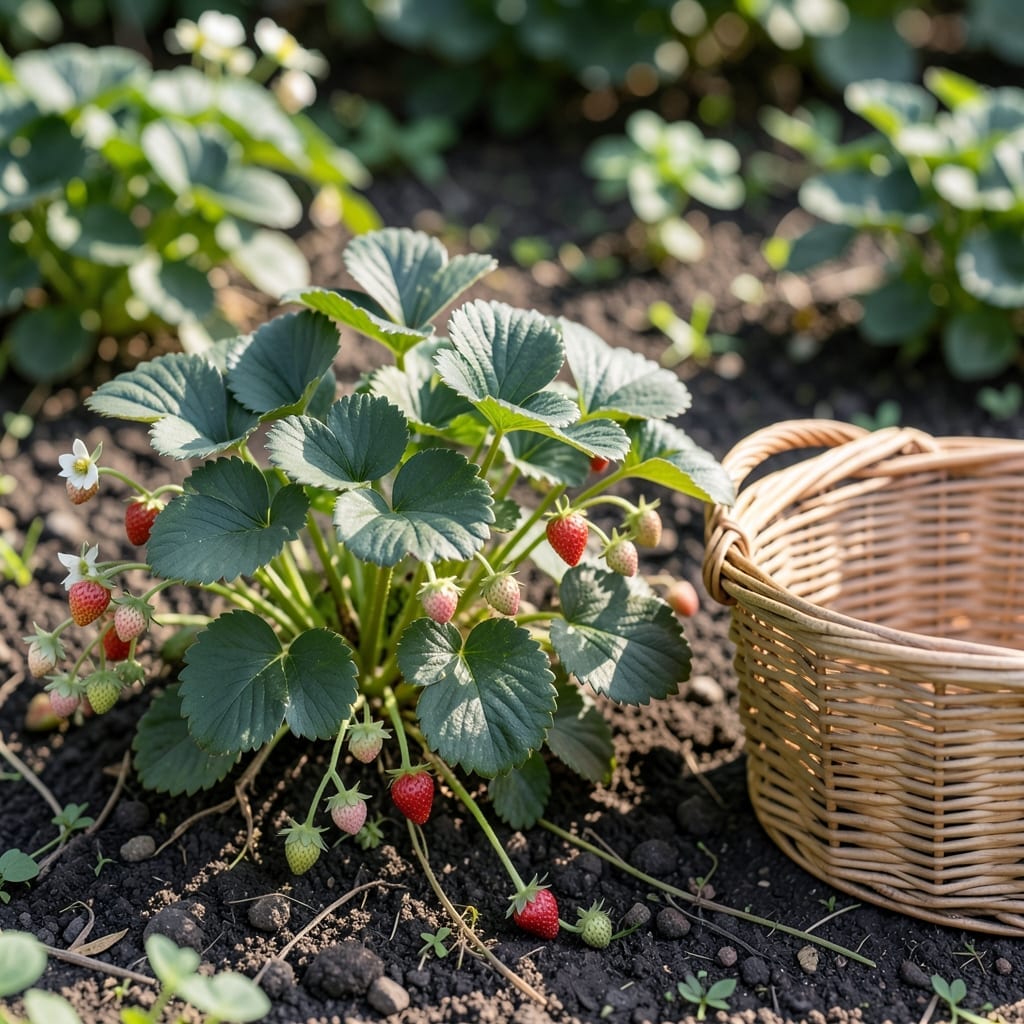
There’s nothing quite like biting into a homegrown 🍓 Strawberry you nurtured yourself. But patience is part of the process, and knowing the timeline helps set realistic expectations.
Depending on whether you start from seeds or plants, and the variety you choose, your harvest could arrive in 60 to 120 days. Factors like climate and care also play a big role in how quickly your plants mature.
Let me walk you through what to expect and how to speed up the process. The wait is worth it when you taste that first sweet, sun-ripened berry.


If you’re eager to harvest homegrown strawberries, the variety you choose makes all the difference. June-bearing types are the classic choice, but they only produce once per year. In contrast, everbearing and day-neutral varieties offer extended harvests.
Each type follows a unique timeline, from planting to first fruit. Understanding these differences helps you plan and maximize your yield. Here’s how they compare in real-world conditions. 🌱
| Variety | Harvest Window | Days to Fruit | Yield |
|---|---|---|---|
| June-Bearing | Spring only | 90-120 days | Heavy single crop |
| Everbearing | Spring, summer, fall | 70-90 days | Moderate multi-crop |
| Day-Neutral | Continuous | 60-70 days | Steady small crops |
June-bearing strawberries take the longest, typically 90 to 120 days from planting to harvest. They focus all their energy into one large crop, usually in early summer. This makes them ideal if you want a big harvest all at once.
Everbearing varieties are more flexible, producing fruit in 70 to 90 days. They yield multiple smaller crops throughout the growing season, which is great for extended enjoyment. I love these for snacking straight from the garden.
Day-neutral strawberries are the fastest, often ready in just 60 to 70 days. They produce continuously as long as temperatures stay between 40°F and 90°F. These are perfect for container gardening or small spaces.
The secret to faster growth? Start with bare root plants instead of seeds. Bare roots can shave weeks off your timeline since they’re already established. Seeds, while rewarding, add 2-3 weeks of germination time.
Climate also plays a huge role. In warmer zones, strawberries may mature faster, while cooler areas might extend the timeline. I’ve found that consistent watering and full sun exposure can speed up growth significantly.
For the quickest results, I recommend day-neutral varieties like ‘Albion’ or ‘Seascape’. They’re forgiving and produce abundant fruit in a shorter window. Just ensure they get 6+ hours of sunlight daily.
No matter the variety, healthy soil is non-negotiable. Amend your beds with compost before planting, and consider a balanced fertilizer to give your plants a nutrient boost. This can make a noticeable difference in growth speed and fruit quality. 🌿
Several key factors can accelerate or slow down your strawberry plants‘ growth. As a gardener, I’ve learned that sunlight, water, and soil quality are the biggest influencers. Even small tweaks can shave weeks off your timeline. 🌱
Here are the most impactful conditions to monitor for optimal growth:
Temperature extremes can delay growth. Strawberries thrive in 60°F to 80°F ranges. If nights are still cold, consider row covers to protect young plants and speed up the process.
Pests and diseases can also set back your timeline. I always inspect plants regularly for aphids or powdery mildew. Using organic neem oil as a preventative keeps my plants healthy and on track.
Another often-overlooked factor is mulching. A 2-3 inch layer of straw or pine needles helps retain moisture, suppress weeds, and regulate soil temperature. This simple step can make a big difference in growth consistency.
If you’re growing in containers, ensure they have drainage holes and use a high-quality potting mix. Container-grown strawberries often need more frequent watering but can thrive with the right care.
By controlling these factors, you can often reduce the growth timeline by 10-20%. The effort is worth it when you’re enjoying those first homegrown berries sooner than expected. ☀️