
Beautiful Plants For Your Interior
Beautiful Plants For Your Interior
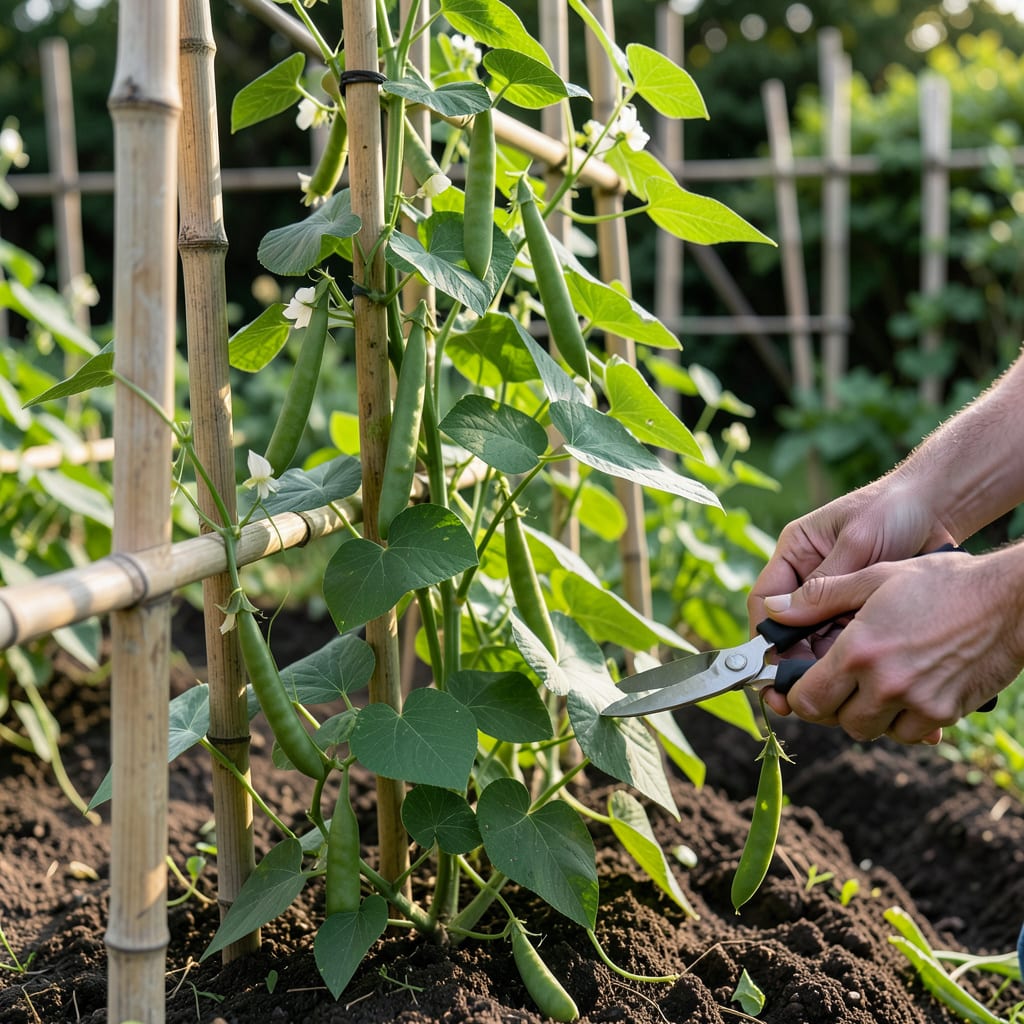
Nothing beats the satisfaction of growing your own 🌱 Pea and watching those first pods appear. But how long will you actually wait before you can start harvesting?
From planting to picking, the timeline can vary based on the variety and conditions. I’ll help you understand what to expect and how to spot when your peas are ready.


If you’re wondering how long for peas to harvest, the answer depends largely on the variety you’ve planted. Different types of peas have distinct growth rates and maturity timelines that every gardener should know.
From my experience, shelling peas typically take 55-70 days from planting to harvest, while sugar snap peas are ready in about 60-70 days. Snow peas are the quickest, often maturing in just 50-60 days.
| Variety | Days to Harvest | Key Traits |
|---|---|---|
| Shelling Peas | 55-70 days | Round seeds, need shelling |
| Sugar Snap Peas | 60-70 days | Edible pod, crisp texture |
| Snow Peas | 50-60 days | Flat pods, early producer |
Climate plays a huge role in your pea harvest timeline. In warmer zones, you might see peas ready 5-10 days earlier than the average. Cooler climates can extend the timeline by a week or more.
Soil temperature is another critical factor. Peas prefer cool soil and can be planted as soon as it’s workable in spring. I’ve found that 40-75°F is the ideal range for germination and growth.
For the best results, plant your peas in well-draining soil with plenty of organic matter. This helps ensure consistent growth and can shave a few days off your harvest time.
Remember that these are average timelines. Your actual pea harvest could be earlier or later based on specific conditions like sunlight exposure, watering consistency, and soil fertility.
In my garden, I’ve noticed that peas planted in full sun with consistent moisture tend to mature at the earlier end of their variety’s range. Those in partial shade might take the full 70 days or slightly longer.
To get the most accurate estimate for your garden, keep a planting journal. Note when you sow and when you first harvest. This will help you refine your timeline for future seasons.
With proper care and attention to these factors, you’ll be enjoying fresh peas from your garden in no time 🌱
I’ve discovered that you can actually control your pea harvest timeline with some simple techniques. Whether you want earlier peas or need to delay harvesting, there are effective methods.
For faster harvests, try starting seeds indoors 2-3 weeks before transplanting. This gives your peas a head start, especially in cooler climates. I’ve had great success with this approach for early spring crops.
To delay your harvest, plant late-maturing varieties like ‘Wando’ which can take up to 75 days. These are perfect for gardeners who want peas throughout the season without replanting.
Another trick I use is succession planting. By sowing new seeds every 2-3 weeks, I ensure a steady supply of peas rather than one large harvest. This works especially well with sugar snap peas.
Soil temperature is key for timing. In my garden, I use black plastic mulch to warm the soil for earlier planting. This can shave a week off your harvest time in spring.
For those in warmer climates, providing afternoon shade can prevent peas from maturing too quickly. I’ve found that 30% shade cloth works wonders during heatwaves.
With these techniques, you can fine-tune your pea harvest to match your schedule perfectly 🌱
Knowing how long for peas to harvest is just part of the equation. The real key is recognizing when your peas are truly ready to pick. I look for several visual cues that tell me it’s time to start harvesting.
First, check the pod appearance. Ready peas have bright green, plump pods that feel slightly swollen to the touch. The peas inside should be just visible as small bumps through the pod wall.
DO pick when pods are full and rounded with visible pea outlines.
AVOID harvesting if pods are flat or pale – they’re not ready yet!
Another sure sign is the pod’s texture. Ready peas should snap easily when bent. If the pod bends without breaking, it’s not quite mature. I always do this snap test before harvesting a batch.
The peas inside should be tender and sweet when tasted raw. If they’re still hard or starchy, give them a few more days. Overmature peas become tough and mealy, so timing is everything.
Remember that harvest frequency matters too. I pick my peas every 2-3 days once they start producing. This encourages the plant to keep producing and prevents pods from becoming overripe.
With these signs in mind, you’ll never miss the perfect harvest window for your peas 🌿
Yes! Use a container at least 8-12 inches deep with good drainage. Dwarf varieties work best in pots.
This usually means they’re not ready yet. Wait until pods are plump and peas inside are visible as bumps.
Keep soil consistently moist but not soggy. Aim for 1 inch of water weekly, more in hot weather.
Use within 2-3 days for best flavor. For longer storage, blanch and freeze for up to 8 months.
