
Beautiful Plants For Your Interior
Beautiful Plants For Your Interior
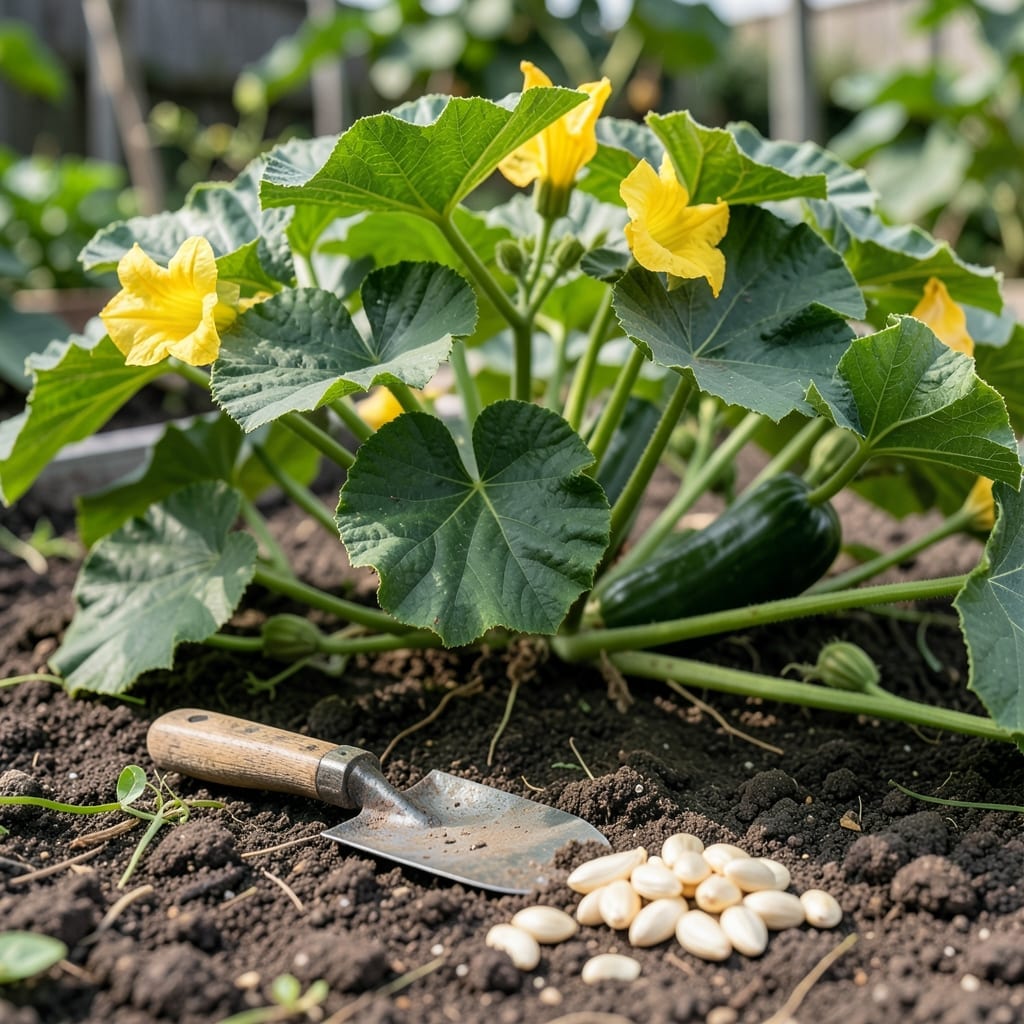
Patience is key when growing 🎃 Squash from seed, but knowing the exact germination timeline helps you plan your garden with confidence.
Whether you’re a first-time gardener or a seasoned pro, understanding this process ensures a strong start for your Squash plants in zone 6.
I’ll walk you through what to expect and how to create optimal conditions for those first sprouts to appear.

When planting squash seeds, most gardeners see sprouts in 5 to 10 days, but this can vary based on conditions. I’ve found that soil temperature is the biggest factor—warmer soil speeds up the process significantly.
Summer squash varieties like zucchini often germinate faster than winter squash, which may take up to 14 days in cooler conditions. Consistency in moisture and warmth is key for reliable results.
| Factor | Optimal Condition | Impact on Germination |
|---|---|---|
| Soil Temperature | 70–95°F | Faster sprouting in warm soil |
| Moisture Level | Consistently damp | Prevents drying out or rotting |
| Seed Depth | 1 inch deep | Avoids planting too deep |
| Squash Variety | Summer vs. Winter | Summer germinates faster |
In my experience, pre-soaking seeds for 12 hours can shave a day or two off the timeline. Just be sure to plant them immediately after soaking to prevent drying out.
I always check soil temperature with a thermometer before planting. If it’s below 60°F, I wait or use a heat mat to warm the soil. Cold soil is the most common reason for slow or failed germination.
For zucchini and yellow squash, expect sprouts in as little as 4 to 6 days under ideal conditions. These varieties are perfect for gardeners eager for quick results.
Winter squash like butternut or acorn may take 7 to 14 days, especially in cooler spring weather. Patience pays off with these heartier varieties.
Moisture is another critical factor. I use a spray bottle to keep the soil surface damp but not waterlogged. Too much water can cause seeds to rot before they sprout.
If you’re starting seeds indoors, maintain consistent warmth and light. A sunny windowsill or grow lights work well, but avoid cold drafts.
Finally, remember that seed quality matters. Older seeds may take longer to germinate or have lower success rates. Always check the expiration date and store seeds in a cool, dry place.
With the right conditions, you’ll see those first green shoots pushing through the soil sooner than you think 🌱
If you’re eager to see squash sprouts faster, I’ve got some tried-and-true methods. With the right techniques, you can cut germination time down significantly and get a head start on the growing season.
One of my favorite tricks is pre-soaking seeds in lukewarm water for 12 hours before planting. This softens the seed coat and kickstarts the germination process, often shaving a day or two off the timeline.
I always recommend using a heat mat for early spring planting. These inexpensive tools keep the soil warm and can reduce germination time by 30% or more in cooler conditions.
Zucchini and yellow squash are naturally faster germinators, often sprouting in just 4 to 6 days. If you’re in a rush, these are excellent choices for quick results.
For indoor starts, place seed trays near a sunny window or under grow lights. I’ve found that 14–16 hours of light daily works best for strong, healthy sprouts.
With these methods, you’ll be enjoying vibrant squash seedlings in no time 🌱