
Beautiful Plants For Your Interior
Beautiful Plants For Your Interior
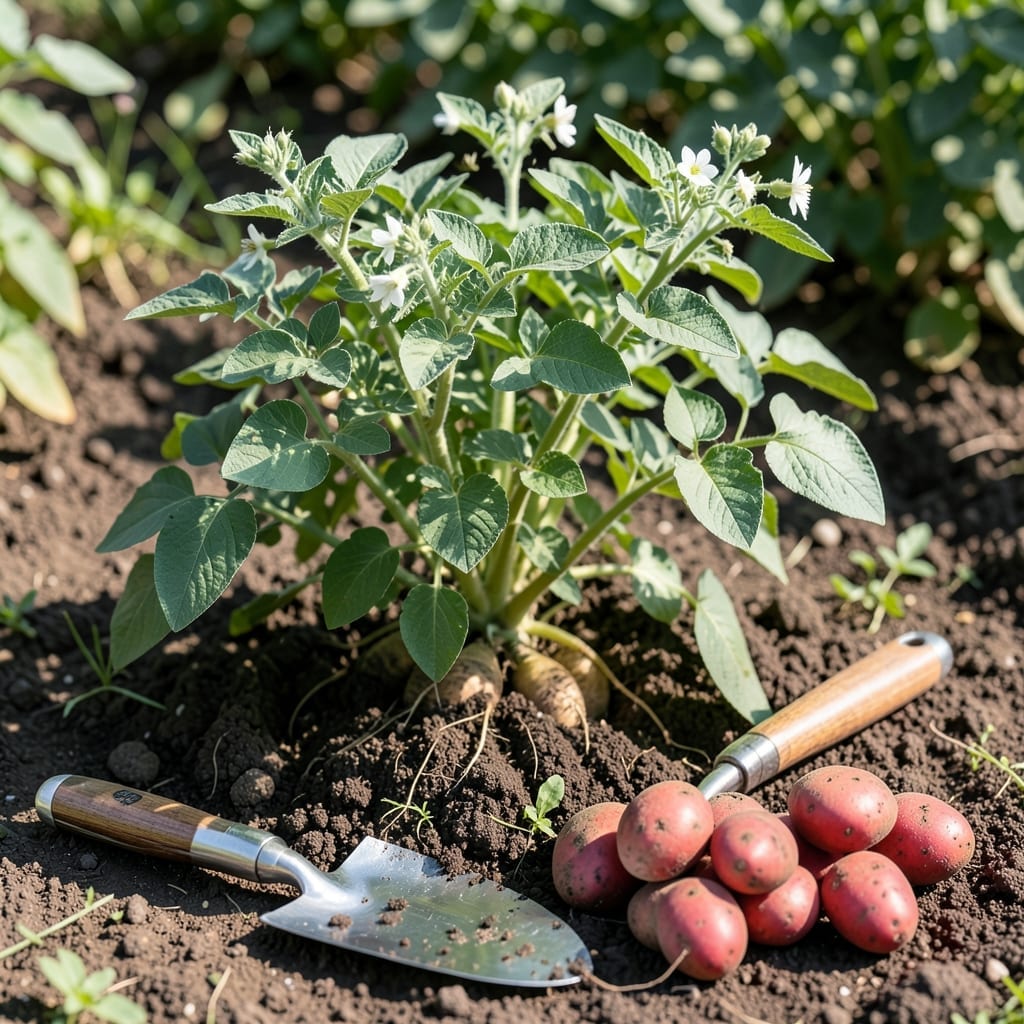
There’s something special about pulling fresh 🥔 Red Potatoes from your garden soil. I remember my first harvest – the satisfaction of seeing those red gems after months of care.
But timing is everything with Red Potatoes. Plant too early or late, and you might miss the perfect window for growth and flavor development.
Discover the exact timeline from planting to harvest, and how to maximize your yield in zone 6. Let’s get your spring garden started right.


If you’re planting red potatoes for the first time, understanding their growth stages is key. From planting to harvest, these tubers go through distinct phases that determine their final size and flavor.
I’ve found that most red potato varieties take between 70 to 120 days to mature, depending on the type and growing conditions. Early varieties can be ready in as little as 70 days, while late-season types may need the full 120 days.
| Stage | Timeline | Key Indicators |
|---|---|---|
| Sprouting | 7-14 days | Shoots emerge from soil |
| Foliage Growth | 14-28 days | Plants reach 6 inches tall |
| Tuber Formation | 28-45 days | First baby potatoes form |
| Maturity | 70-120 days | Foliage yellows, dies back |
During the sprouting stage, you’ll see green shoots poking through the soil. This is when your seed potatoes are establishing roots and beginning their growth journey.
The foliage growth phase is crucial as the plant develops the leaves needed for photosynthesis. I always make sure my red potatoes get at least 6 hours of sunlight daily during this period.
As the plants mature, you’ll notice flower buds forming. This is a sign that tuber formation has begun underground. The flowers will eventually drop, signaling that the potatoes are sizing up.
The final stage is maturity, when the foliage begins to yellow and die back. This is nature’s way of telling you it’s almost harvest time. The plants are redirecting their energy to the tubers.
For early varieties like Red Norland, you can expect to dig up your first potatoes around 70-80 days. These are perfect if you want a quick harvest or live in a shorter growing season.
Mid-season varieties, such as Red Pontiac, typically take 90-100 days. They offer a good balance between growing time and yield, making them a popular choice for many gardeners.
Late-season red potatoes can take up to 120 days but often produce larger tubers. I find these ideal for gardeners in warmer climates with longer growing seasons.
Several key factors influence how quickly your red potatoes will grow. I’ve learned that soil temperature is one of the most critical. Potatoes thrive when soil is at least 45°F at planting time.
Another major factor is sunlight exposure. Red potatoes need 6+ hours of direct sun daily for optimal growth. Without enough light, the plants may grow slowly or produce smaller tubers.
Watering practices also play a huge role. I water my potatoes consistently, providing about 1-2 inches per week. Too much water can cause rot, while too little stunts growth.
The quality of your soil can’t be overlooked. Red potatoes prefer loamy, well-draining soil rich in organic matter. I always amend my beds with compost before planting for a nutrient boost.
Planting depth and spacing affect growth too. I plant my seed potatoes about 4 inches deep and 12 inches apart. This gives them enough room to develop without competing for nutrients.
Finally, climate conditions impact growth speed. In cooler climates, potatoes may take longer to mature. Warmer regions can see faster growth, but beware of heat stress above 85°F. ☀️