
Beautiful Plants For Your Interior
Beautiful Plants For Your Interior
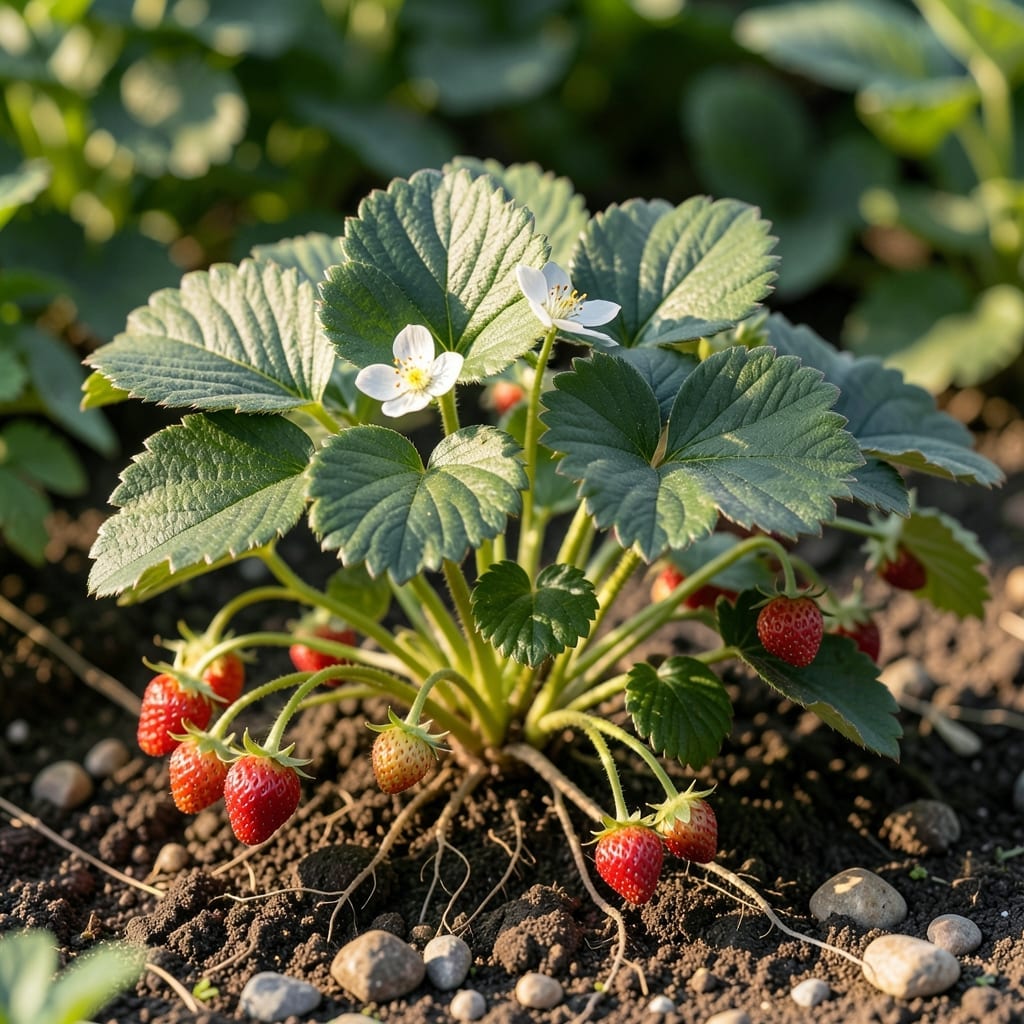
Watching a tiny seed transform into a fruit-bearing plant is one of gardening’s most rewarding experiences. With Strawberry 🍓 plants, that journey can be surprisingly quick or delightfully extended.
I’ve learned the timeline varies dramatically based on your starting point. Whether you plant seeds or established crowns, the stages from sprout to sweet berry follow a fascinating progression.
Discover how to time your planting perfectly and what to expect along the way. The path to your first homegrown Strawberry harvest might be closer than you think.
The journey from strawberry seed to juicy fruit is a fascinating process that can take anywhere from 60 to 120 days, depending on your starting method. If you plant seeds, expect a longer wait, as germination alone can take 2-4 weeks under ideal conditions.
For those using bare-root plants or established crowns, the timeline shortens significantly. These plants often produce fruit within 60 days if planted in optimal conditions with proper care and full sun exposure.
| Stage | Duration | Key Notes |
|---|---|---|
| Germination | 14-28 days | Keep soil moist and warm |
| Seedling | 4-6 weeks | True leaves appear, transplant when ready |
| Flowering | 3-4 weeks | White blossoms signal fruit development |
| Fruiting | 4-6 weeks | Harvest when fully red and firm |
The June-bearing strawberry variety typically follows this timeline closely, producing one large harvest in early summer. These plants often take the full 90-120 days from planting to first fruit, especially when grown from seed.
Everbearing strawberries offer more flexibility with 2-3 harvests per season. Their growth period is similar, but they may produce fruit slightly earlier, around 60-90 days after planting.
For the quickest results, day-neutral strawberries are your best bet. These adaptable plants can produce fruit in as little as 60-70 days, regardless of day length, making them perfect for container gardening or extended growing seasons.
Environmental factors play a huge role in your strawberry timeline. Temperature is crucial – strawberries thrive in 60-80°F conditions. Cooler temperatures slow growth, while extreme heat can stress plants and delay fruiting.
Soil quality and watering practices also impact growth speed. Well-draining, nutrient-rich soil with a pH between 5.5 and 6.8 provides the best foundation. Consistent moisture is key, but be careful not to overwater, as soggy soil can lead to root rot.
Light is another critical factor. Strawberries need 6-8 hours of direct sunlight daily for optimal growth. In areas with less sunlight, consider using grow lights or choosing a sunnier location to speed up the process.
Remember that these timelines are estimates. Your actual growth period may vary based on your specific climate, planting method, and the care you provide. Patience and consistent care will reward you with the sweetest, most abundant harvest possible 🌱
If you’re eager to enjoy homegrown strawberries sooner, I’ve found several proven techniques to accelerate growth. The fastest way is to start with established plants rather than seeds, which can cut your wait time in half.
Using bare-root crowns or potted strawberries from a nursery gives you a head start. These plants often produce fruit within 60 days when given proper care and ideal growing conditions.
I always recommend warming the soil before planting. A simple trick is to cover your planting area with black plastic for a week or two before planting. This boosts soil temperature by 5-10°F, encouraging faster root development.
Proper fertilization is key to speedy growth. I use a balanced fertilizer with equal parts nitrogen, phosphorus, and potassium. Apply it every 7-10 days during the growing season, but stop once flowering begins to avoid excessive leaf growth.
Watering techniques also make a difference. Strawberries need consistent moisture, so I water mine every 2-3 days in warm weather. Always water at the base of the plant to prevent fungal diseases on the leaves.
Lastly, consider container gardening for faster growth. Containers warm up quicker in spring and allow for better control over soil conditions. Just ensure your pots have good drainage and are large enough to accommodate the plants’ root systems 🌱