
Beautiful Plants For Your Interior
Beautiful Plants For Your Interior
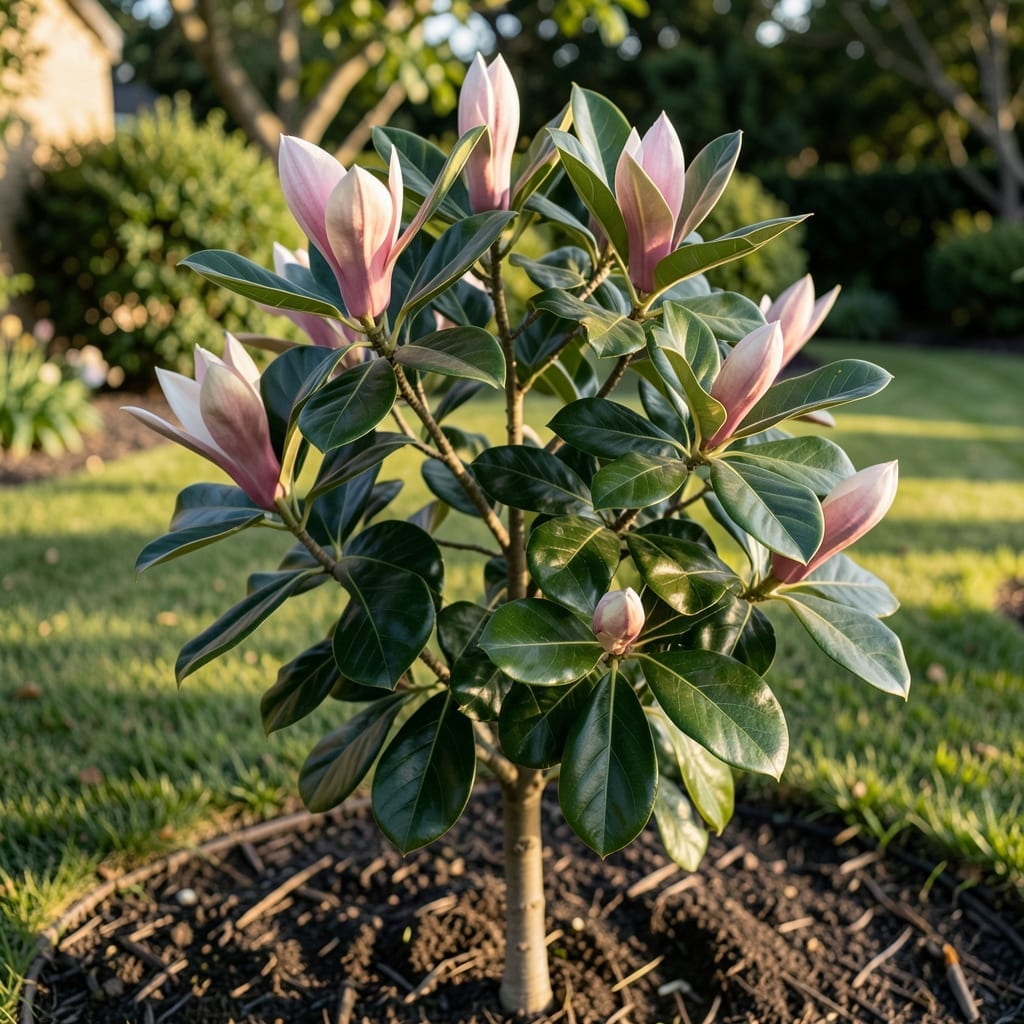
Watching a Magnolia Tree 🌳 grow from a sapling to a blooming centerpiece is a rewarding journey. This process demands patience, as the timeline varies by species, climate, and care.
I’ve seen firsthand how some varieties can surprise you with faster growth, while others take their time. The key is understanding what to expect and how to nurture your tree along the way.
Discover the typical growth stages and what factors can speed up or slow down your Magnolia Tree‘s progress toward maturity.


If you’re planting a Magnolia Tree, the first thing I tell gardeners is that growth rates vary widely by variety. Some, like the Saucer Magnolia, can add 12-24 inches per year under ideal conditions.
Others, such as the Southern Magnolia, grow more slowly at 12 inches annually but ultimately reach towering heights of 60-80 feet. knowing these differences helps set realistic expectations.
| Variety | 5-Year Height | 10-Year Height | Mature Height |
|---|---|---|---|
| Southern Magnolia | 10-15 ft | 20-25 ft | 60-80 ft |
| Saucer Magnolia | 8-12 ft | 15-20 ft | 20-25 ft |
| Star Magnolia | 6-8 ft | 10-12 ft | 15-20 ft |
| Sweetbay Magnolia | 10-12 ft | 15-18 ft | 30-50 ft |
For dwarf varieties like the Little Gem Magnolia, expect a more compact size. These typically reach 8-12 feet at maturity but still produce stunning blooms.
I’ve found that soil quality and sunlight exposure can significantly impact growth. Magnolias thrive in well-draining, acidic soil with 6+ hours of sunlight daily.
In my experience, consistent watering during the first 2-3 years helps establish a strong root system. Once established, magnolias become quite drought-tolerant but benefit from occasional deep watering.
Climate plays a huge role too. In warmer zones like USDA 7-9, magnolias often grow faster than in cooler regions. A Southern Magnolia in Georgia may outpace one in Michigan by 30-50%.
Pruning can also influence growth. I recommend light pruning in late winter to remove dead branches and shape the tree. Avoid heavy pruning, as it can stress the tree and slow development.
If you’re planting a bare-root magnolia, expect the first year to focus on root establishment. You might see minimal height growth initially, but the tree will compensate in subsequent years.
For container-grown magnolias, the transition to the ground is smoother. These often show visible growth within the first season, especially if planted in early spring.
Finally, fertilizing with a balanced 10-10-10 formula in early spring can give your magnolia a boost. Just remember, over-fertilizing can lead to excessive leaf growth at the expense of blooms 🌳
If you want your magnolia tree to reach its full potential faster, I recommend starting with optimal planting location. Choose a spot with well-draining, acidic soil and 6+ hours of sunlight daily.
In my experience, soil amendments like compost or peat moss can significantly boost growth. These improve nutrient availability and root development, giving your tree a strong foundation 🌱
A consistent watering schedule is crucial, especially during the first few years. I’ve seen magnolias grow 20-30% faster with deep weekly watering compared to irregular schedules.
For faster growth, consider container-grown magnolias over bare-root options. These establish quicker and often show visible growth in their first season.
Don’t overlook mulching. A 2-3 inch layer of organic mulch helps retain moisture, regulate soil temperature, and suppress weeds that compete for nutrients.
Finally, avoid over-fertilizing, which can lead to excessive leaf growth at the expense of blooms. Stick to one balanced feeding in early spring and a light feeding in summer 🌳