
Beautiful Plants For Your Interior
Beautiful Plants For Your Interior
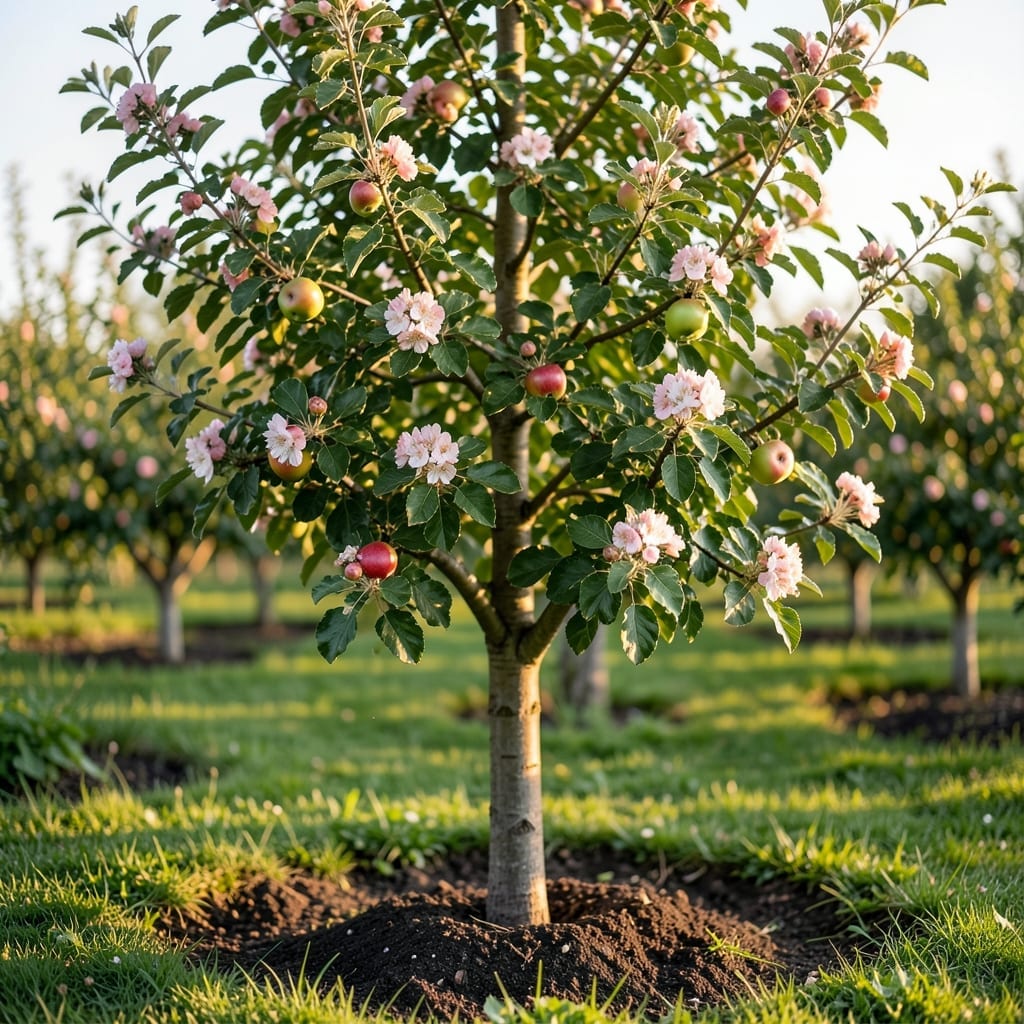
Patience truly is a virtue when it comes to growing 🍎 Apple Trees. The journey from planting a young sapling to picking your first fruit can test even the most dedicated gardeners.
While some varieties may surprise you with faster results, most standard trees follow a multi-year timeline. Understanding this process helps prevent frustration and keeps your expectations realistic.
Discover the key stages of growth and what you can do to support your tree through each phase. The wait is worth it when you finally taste that first homegrown apple.

Growing an apple tree from sapling to fruit-bearing maturity is a rewarding journey that requires patience. The timeline varies by tree type and growing conditions, but understanding each stage helps set realistic expectations for home gardeners.
From root establishment to the first bloom, every phase plays a crucial role in producing healthy fruit. Factors like soil quality, sunlight, and care practices can significantly influence how quickly your tree matures.
| Stage | Timeframe | Key Development |
|---|---|---|
| Dormancy | Winter | Tree conserves energy for spring growth |
| Root Growth | First 1-2 years | Establishes strong root system |
| Vegetative Growth | Years 2-3 | Focuses on leaf and branch development |
| First Flowers | Years 3-5 | Blossoms appear, potential for first fruit |
| Fruit Production | Years 4-6 | Regular harvests begin for most varieties |
Dwarf apple trees often bear fruit sooner, sometimes as early as 2-3 years, while standard varieties may take 6-10 years. This difference is largely due to their genetic breeding and size.
During the first year, focus on helping your tree establish a strong root system. Proper watering and mulching are essential during this critical period. I recommend deep watering once a week to encourage deep root growth.
🌱The vegetative stage in years 2-3 is when you’ll see significant above-ground growth. This is the time to implement a pruning schedule to shape your tree and promote good air circulation.
Flowering typically begins in years 3-5, signaling that your tree is maturing. However, it’s wise to remove early flowers to allow the tree to focus its energy on growth rather than fruit production.
By years 4-6, most apple trees will begin producing consistent harvests. Remember that pollination is key—many varieties need a compatible partner tree within 50-100 feet for best fruit set.
Environmental factors play a huge role in your tree’s timeline. Full sun exposure (6-8 hours daily) and well-draining soil can accelerate growth, while poor conditions may delay fruiting by several years.
I’ve found that trees planted in early spring often establish better than those planted in fall. This gives them the entire growing season to develop before winter dormancy sets in.
🌳If you’re eager to taste homegrown apples sooner, there are proven ways to accelerate fruiting. The key is giving your tree the best possible start with optimal growing conditions and smart care practices.
I’ve found that selecting fast-bearing varieties like ‘Dorsett Golden’ or ‘Anna’ can shave 2-3 years off your wait time. These are bred to produce earlier than traditional types.
Proper pruning is one of the most effective ways to stimulate fruiting. I recommend open-center pruning to allow sunlight to reach all branches, which encourages fruit bud formation. ✂️
Soil health directly impacts growth speed. I always test my soil before planting and amend with compost if needed. Apple trees thrive in slightly acidic soil (pH 6.0-6.5) with good drainage.
Watering consistently during the first two years helps establish a strong root system. I use drip irrigation to deliver water directly to the roots, which is more efficient than overhead watering.
Don’t overlook the importance of pollinators. Planting bee-friendly flowers nearby or keeping a small hive can significantly improve fruit set. Most apple varieties need cross-pollination to produce abundantly.
🌳