
Beautiful Plants For Your Interior
Beautiful Plants For Your Interior
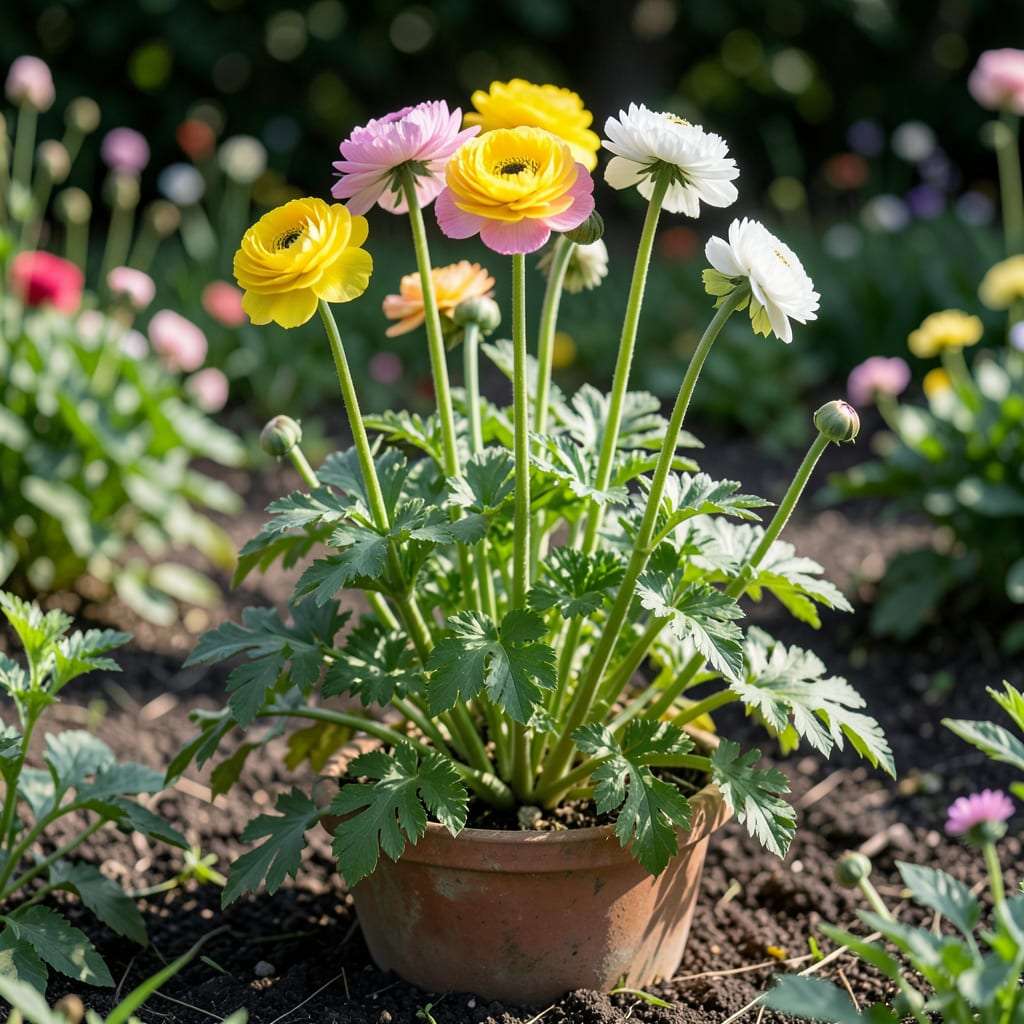
Ranunculus flowers 💐 are a gardener’s delight, with their delicate, tissue-paper-like petals and vibrant colors. But how long can you enjoy these beautiful blooms?
In USDA Zone 6, ranunculus typically bloom for several weeks during their growing season in spring. Let’s explore the factors that affect their blooming duration and discover expert tips to make them last longer.
Ranunculus typically bloom for about 3‑4 weeks once the buds open, though some varieties can stretch to six weeks under ideal conditions. I’ve seen my garden display continuous color from early spring through late May. Understanding this window helps plan garden design. 🌸
Temperature plays a major role; cool nights and warm days encourage longer flowering. In zones where night temps stay above 45°F, buds develop faster, shortening the display. I recommend planting in a spot that receives morning sun and afternoon shade to moderate heat.
Soil texture and drainage directly affect bloom longevity. Sandy loam with organic matter retains moisture yet prevents waterlogging, which can cause tuber rot. I always mix compost and perlite before planting to create a fluffy medium that supports healthy root growth.
Consistent watering is essential; ranunculus prefers evenly moist soil but hates soggy conditions. Watering once a week with about 1 cup (250 ml) per plant keeps the crowns hydrated without flooding. I use a rain gauge to track moisture levels accurately. 💧
Fertilization boosts flower production and can extend the blooming phase. A balanced 5‑10‑10 fertilizer applied every 4‑6 weeks after watering supplies needed nutrients. I prefer a light feeding schedule in spring and fall, skipping heavy applications in summer heat.
Light exposure influences petal formation; full sun ( 6+ hours ) yields vibrant colors, while partial shade can delay bloom onset but may lengthen the overall period. I place my ranunculus in a south‑facing window or garden bed that gets morning sun.
Temperature extremes shorten the bloom; heat above 80°F causes buds to fade quickly, while frost below 32°F halts growth entirely. I protect my plants with shade cloths during hot afternoons and mulch to
To maximize your ranunculus blooming period, I recommend starting with strategic planting times. In temperate climates, planting tubers in early spring or late fall can extend the flowering season. For spring blooming, plant tubers as soon as the soil can be worked in late winter. For fall blooming, plant in September or October, about 8-10 weeks before the first frost.
Remove spent blooms regularly to encourage the plant to produce new flowers. This process, called deadheading, directs the plant’s energy toward producing more buds rather than seed production. Use clean, sharp scissors to cut off faded flowers at the base of the stem.
Feed your ranunculus with a balanced fertilizer (5-10-10 NPK) every 4-6 weeks during the growing season. This promotes healthy growth and abundant flowering. I prefer to fertilize after watering to prevent root burn and ensure the nutrients are absorbed effectively.
Maintain consistent soil moisture by watering your ranunculus once a week with about 1 cup (250 ml) of water per plant. Adjust based on weather conditions; more frequent watering may be needed during hot, dry spells. Ensure the soil drains well to avoid waterlogging, which can lead to tuber rot.
By implementing these expert tips, you can significantly extend the blooming period of your ranunculus. Remember, the key is to create optimal growing conditions through careful planning and maintenance. With the right care, your ranunculus can bloom vibrantly for weeks, providing a stunning display in your garden 🌼.
Monitoring your plants regularly and adjusting your care routine as needed will help you achieve the best results. Happy gardening! 🌻
Growing ranunculus can be rewarding, but common mistakes can significantly shorten their blooming period. I’ve seen gardeners make errors that reduce the flowering duration, but with the right knowledge, you can avoid these pitfalls and enjoy longer blooms 🌼.
Common errors like overwatering, poor soil drainage, and inadequate sunlight can all negatively impact ranunculus bloom duration. Being aware of these issues is the first step to avoiding them and ensuring your plants bloom for as long as possible.
Overwatering is a common mistake that can lead to tuber rot and significantly shorten the blooming period. Ranunculus prefers evenly moist soil, but it’s crucial to avoid waterlogging. I recommend checking soil moisture by inserting your finger about 2 inches deep; if it feels dry, it’s time to water. Using a well-draining soil mix also helps prevent water from accumulating around the tubers 💧.
Another mistake is planting too deeply. Ranunculus tubers should be planted 2-3 inches deep and 6-8 inches apart. Planting too deeply can delay or reduce flowering. I always measure carefully to ensure my tubers are at the right depth, which helps promote healthy growth and abundant blooms 🌿.
Insufficient sunlight can also impact the blooming period. Ranunculus requires full sun to partial shade, with at least 6 hours of direct sunlight per day. If your plants aren’t getting enough light, consider relocating them to a sunnier spot or supplementing with grow lights if you’re growing indoors ☀️.
Failing to deadhead spent blooms is another error that can shorten the flowering period. Removing faded flowers encourages the plant to produce new blooms, extending the overall flowering season. I use clean, sharp scissors to cut off spent flowers at the base of the stem, which helps keep the plant healthy and promotes more flowering 🌸.
By avoiding these common mistakes and following best practices, you can significantly extend the blooming period of your ranunculus. With careful attention to watering, planting depth, sunlight, and deadheading, you’ll enjoy vibrant blooms for weeks 🌼.
Regular monitoring and adjusting your care routine as needed will help you achieve the best results. Happy gardening! 🌻
Ranunculus usually bloom for 3-4 weeks, with some varieties lasting up to 6 weeks under ideal conditions. Proper care can help maximize their blooming period.
Temperature, soil quality, watering, and fertilization all impact how long ranunculus bloom. Cool nights and warm days help extend the blooming period.
Yes, you can extend the blooming period by planting tubers at strategic times, using proper deadheading techniques, and providing optimal fertilization and watering practices.
Common mistakes include overwatering, planting too deeply, and insufficient sunlight. Avoiding these errors can help ensure longer blooming periods.
