
Beautiful Plants For Your Interior
Beautiful Plants For Your Interior
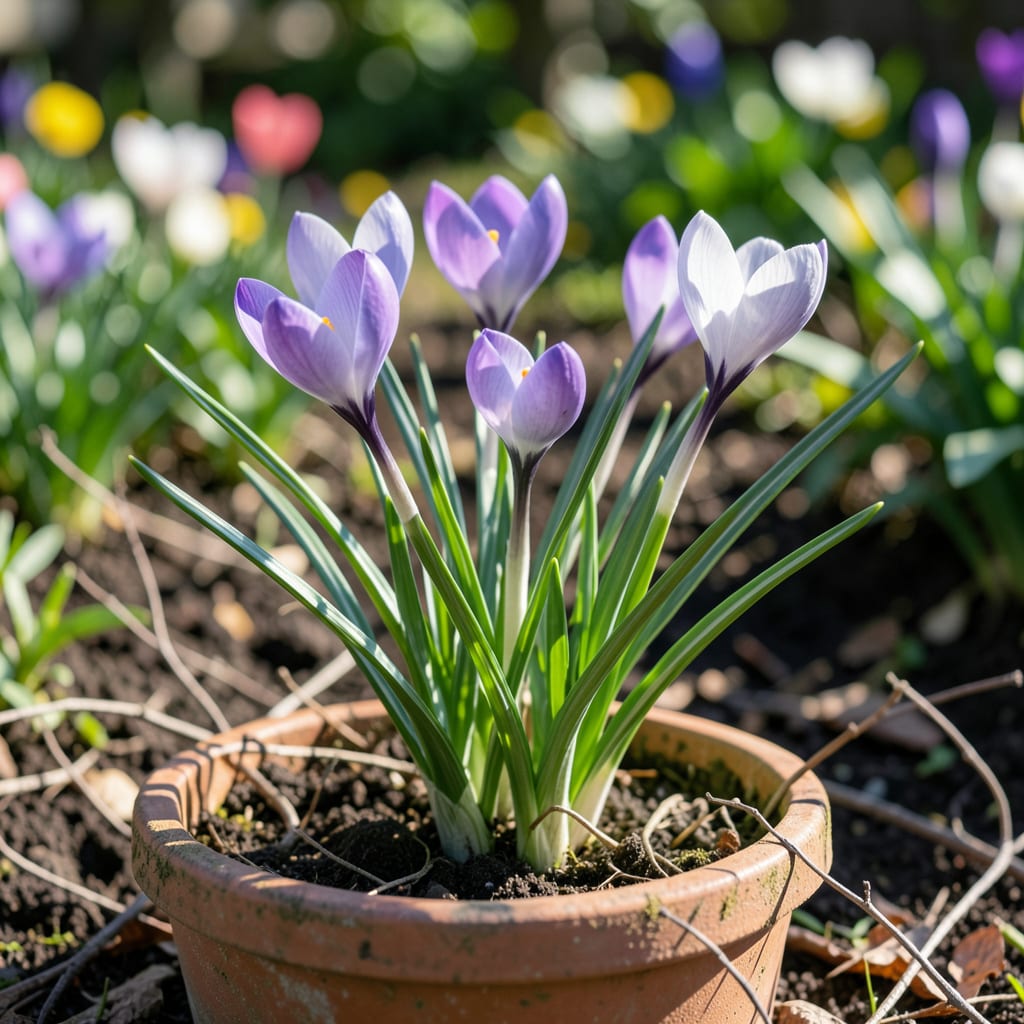
As winter’s chill begins to fade, Crocus 💐 emerges as one of the first signs of spring, bringing vibrant colors to gardens in USDA Zone 6. These early bloomers typically flower in early spring, providing a welcome burst of color after a long winter.
The blooming period of Crocus is relatively short, usually lasting 3-4 weeks in ideal conditions. Factors like weather, soil quality, and sunlight exposure can influence their flowering duration. By understanding these factors, you can maximize their blooming potential and enjoy their beauty for longer.
Crocus flowers are known for their early spring blooms and relatively short flowering period. Typically, they bloom for 3-4 weeks, but this can vary based on several factors. Understanding these factors helps gardeners make the most of their Crocus display 🌼.
The blooming duration of Crocus is influenced by weather conditions, soil quality, and sunlight exposure. In general, Crocus flowers tend to bloom longer in cooler temperatures and shorter in warmer conditions. Proper care and planting strategies can also impact how long your Crocus will bloom 🌻.
The natural cycle of Crocus flowers begins with their emergence through the soil, often while snow is still present. They quickly bloom, and after flowering, the foliage continues to grow, storing energy for the next year’s bloom 💡.
Weather conditions play a significant role in the blooming duration of Crocus. Unseasonable warmth can cause the flowers to fade more quickly, while cooler temperatures can prolong the blooming period. Gardeners can use this knowledge to create optimal conditions for their Crocus 🌟.
To maximize the blooming potential of Crocus, gardeners should consider factors like soil quality and sunlight exposure. Planting Crocus in well-draining soil and providing the right amount of sunlight can help ensure a healthy and prolonged bloom 🌿.
In addition to weather and soil conditions, the natural cycle of Crocus flowers is an essential aspect of their blooming duration. After flowering, the foliage will continue to grow, storing energy for the next year’s bloom 🔋.
Gardeners can also take steps to extend the blooming period of their Crocus by planting multiple varieties with different blooming times. This strategy can create a staggered blooming effect, providing color in the garden for a longer period 🌸.
By understanding the factors that influence the blooming duration of Crocus and taking steps to optimize their growing conditions, gardeners can enjoy these beautiful flowers for a longer period 🌼.
Overall, Crocus flowers are a delightful addition to any garden, providing a burst of color and vibrancy in early spring. With proper care and attention, they can bloom for several weeks, bringing joy to gardeners everywhere 🌻.
The blooming cycle of Crocus is a natural and essential part of their life cycle. By understanding and working with this cycle, gardeners can create a beautiful and thriving garden that showcases these lovely flowers 🌟.
In conclusion, the blooming duration of Crocus is influenced by a combination of factors, including weather, soil quality, and sunlight exposure. By understanding these factors and taking steps to optimize growing conditions, gardeners can enjoy a longer and more vibrant bloom 🌼.
To maximize the blooming period of your Crocus, consider implementing several strategic gardening practices. By combining these techniques, you can enjoy a longer and more vibrant display of these beautiful flowers 🌼.
First, plant multiple Crocus varieties with different blooming times to create a staggered flowering effect. This approach ensures that as one variety finishes blooming, another begins, extending the overall blooming period 🌺.
Select a mix of Crocus that bloom at different times to extend the flowering season. This can include varieties that bloom in early, mid, and late spring 🌸.
Crocus generally prefer full sun to partial shade. Planting them in a location that receives the right amount of sunlight can help prolong their bloom 🌞.
Crocus thrive in well-draining soil. Ensuring your soil drains properly can help prevent rot and other issues that might shorten the blooming period 🌿.
By implementing these practical gardening tips, you can enjoy a longer and more vibrant Crocus bloom period.
Additionally, consider the natural cycle of Crocus flowers and how it affects their blooming duration. Understanding and working with this cycle can help you create a beautiful and thriving garden 🌟.
Overall, with the right strategies and care, you can extend the blooming period of your Crocus and enjoy their beauty for a longer time 🌸.
By following these tips and understanding the factors that influence Crocus bloom duration, you can create a stunning display of these lovely flowers in your garden 🌻.
After your Crocus flowers have finished blooming, it’s essential to provide proper post-bloom care to ensure the health and vitality of the plants. This care includes deadheading, foliage management, and bulb maintenance 🌼.
Deadheading involves removing the spent flowers to prevent the plant from putting energy into seed production. This process helps direct the plant’s energy towards replenishing the bulb for next year’s bloom 🌺.
Allow the foliage to die back naturally after blooming, as this process is crucial for the bulb’s rejuvenation. Avoid cutting or tying the leaves until they have turned yellow and withered 🌿.
Foliage management is critical after the blooming period. The leaves will continue to grow and store energy for the next year’s bloom. It’s essential to allow the foliage to die back naturally, as premature removal can weaken the bulb 🔋.
Bulb maintenance also plays a vital role in the long-term health of your Crocus. After the foliage has died back, you can fertilize the bulbs with a balanced fertilizer to provide essential nutrients for the next growing season 🌻.
By following these post-bloom care tips, you can ensure that your Crocus plants remain healthy and continue to bloom beautifully year after year 🌸.
Proper care after blooming is just as important as the care during the blooming period. By understanding and implementing these practices, you can enjoy a thriving Crocus display for years to come 🌼.
In summary, post-bloom care for Crocus involves deadheading, allowing foliage to die back naturally, and maintaining the bulbs through fertilization. These steps are crucial for the plants’ health and future blooms 🌟.
Crocus flowers usually bloom for 3-4 weeks in ideal conditions. The exact duration can vary based on weather conditions and specific variety. Cooler temperatures tend to prolong the bloom period, while warmer weather can shorten it.
Several factors influence how long Crocus bloom, including weather conditions, soil quality, and sunlight exposure. Well-draining soil and appropriate sunlight can help extend the blooming period. Proper care practices also play a significant role in maximizing bloom duration.
Yes, you can extend the blooming period by planting multiple Crocus varieties with different blooming times. This creates a staggered flowering effect, providing color in your garden for a longer period. Choosing varieties that bloom in early, mid, and late spring can help achieve this.
After blooming, it’s essential to allow the foliage to die back naturally. This process helps replenish the bulb for next year’s bloom. You can also fertilize the bulbs with a balanced fertilizer after the foliage has died back to promote healthy growth.
