
Beautiful Plants For Your Interior
Beautiful Plants For Your Interior
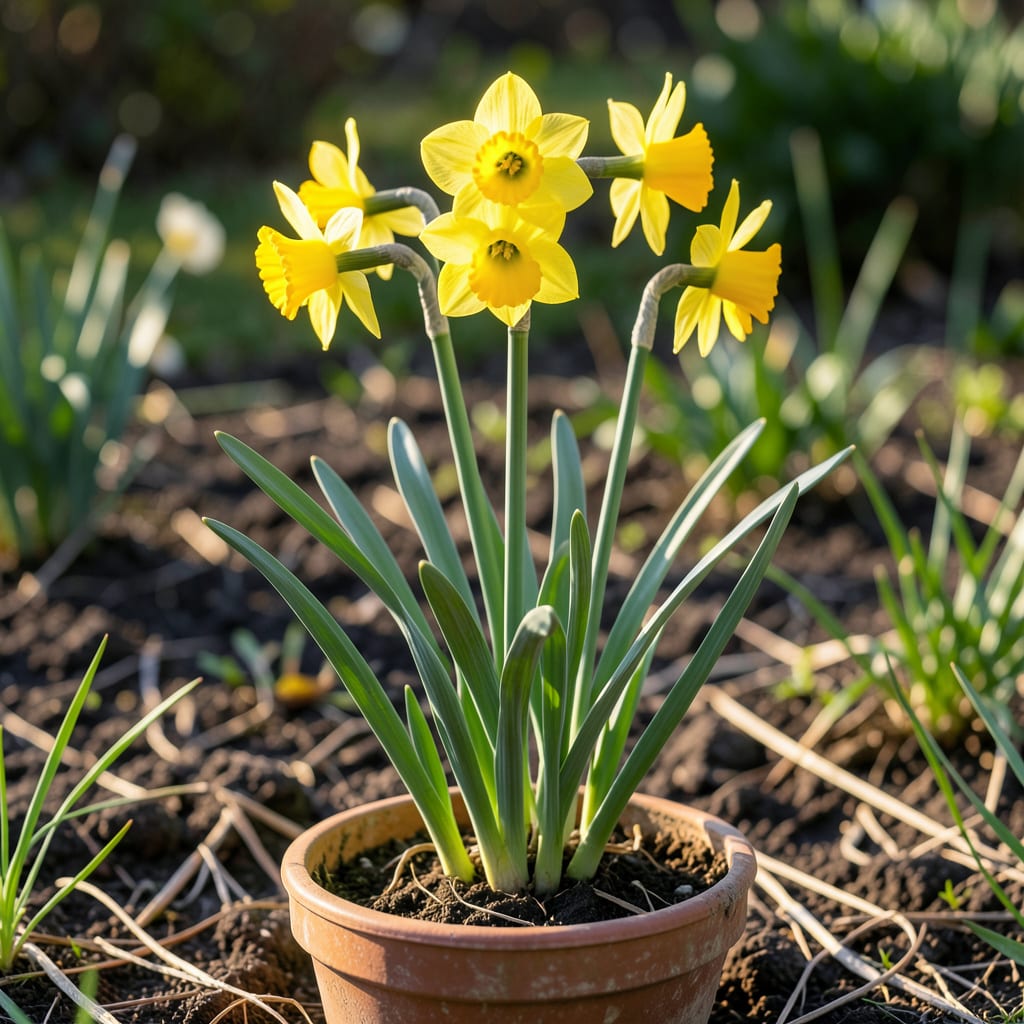
As spring arrives, Daffodils 💛 burst forth with vibrant color, but their blooming period can be disappointingly short. In USDA Zone 6, these cheerful flowers typically bloom for 3-6 weeks in the spring.
To make the most of their beauty, let’s explore the factors that affect their blooming duration and how to encourage longer flowering seasons. Proper care can make all the difference in enjoying these lovely blooms.
Daffodils are one of the first signs of spring, bringing vibrant color to gardens after a long winter. Their blooming period is relatively short, typically lasting 3-6 weeks. Several factors can influence how long daffodils bloom, including weather conditions, soil quality, and proper care.
The duration of daffodil blooms can vary depending on the specific variety, with some blooming for shorter periods and others for longer. Weather plays a significant role, as cooler temperatures can prolong blooming, while warmer temperatures can shorten it. Soil conditions, such as drainage and nutrient availability, also impact bloom duration 🌼.
Understanding these factors is crucial for gardeners who want to maximize their daffodils’ blooming period. By providing optimal growing conditions and proper care, gardeners can enjoy these beautiful flowers for as long as possible. Daffodils are generally low-maintenance plants, but they still require some attention to thrive.
One key aspect of daffodil care is soil preparation. Daffodils prefer well-draining soil that is rich in organic matter. Adding compost or well-rotted manure can improve soil quality and support healthy daffodil growth. Proper watering is also essential, especially during the growing season 🌿.
In USDA Zone 6, daffodils typically bloom from March to May. The exact timing depends on weather conditions and the specific variety of daffodil. Gardeners can extend the blooming period by planting multiple varieties that bloom at different times, creating a succession of blooms throughout the spring.
Daffodils are not only beautiful but also deer-resistant and rodent-repellent, making them an excellent choice for gardeners dealing with wildlife issues. Their ability to naturalize and multiply over time adds to their appeal, as they can create a stunning display year after year 💐.
To further enhance the blooming period, gardeners can implement various strategies. These include deadheading spent flowers to encourage the bulb to focus energy on re-growing and storing energy for the next year’s bloom, rather than seed production. Post-bloom care, such as allowing the foliage to die back naturally, is also crucial for maintaining the health and vigor of the bulbs.
By understanding the factors that affect daffodil bloom duration and implementing proper care techniques, gardeners can enjoy these beautiful flowers for a longer period. Whether you’re a seasoned gardener or just starting out, daffodils are a great addition to any garden, providing a burst of color and joy in the early spring 🌸.
For gardeners looking to maximize their daffodil display, considering companion plants that bloom at different times can create a dynamic and interesting garden landscape throughout the growing season. This approach not only extends the blooming period but also adds variety and visual interest to the garden.
In conclusion, while daffodils have a relatively short blooming period, gardeners can take steps to prolong their flowering season. By providing optimal growing conditions, proper care, and thoughtful planting strategies, daffodils can be enjoyed for their full potential, bringing beauty and vibrancy to gardens in the early spring 🌻.
To maximize the blooming period of daffodils, gardeners can implement several practical strategies. One effective method is deadheading, which involves removing spent flowers to encourage the bulb to focus energy on re-growing and storing energy for the next year’s bloom 🌼.
Another crucial aspect is post-bloom care. Allowing the foliage to die back naturally is essential for maintaining the health and vigor of the bulbs. This process can take several weeks to a few months, depending on the variety and growing conditions 🌱.
Plant multiple daffodil varieties that bloom at different times to create a succession of blooms throughout the spring, effectively extending the overall blooming season.
Planting strategies also play a significant role in prolonging the blooming period. By choosing a mix of early, mid-season, and late-blooming varieties, gardeners can enjoy daffodils for a longer period 🌺.
In addition to selecting the right varieties, proper planting techniques are vital. Planting daffodil bulbs at the correct depth and spacing, and in well-draining soil, can significantly impact their performance and blooming duration 🌿.
For gardeners in USDA Zone 6, understanding the local climate and frost dates is crucial for optimizing daffodil bloom. Typically, daffodils bloom from March to May, with the exact timing depending on weather conditions and the specific variety 🌸.
By combining these strategies—deadheading, post-bloom care, and thoughtful planting—gardeners can enjoy their daffodils for a longer and more vibrant blooming season, bringing joy and color to their gardens in the early spring 💐.
To maximize daffodil bloom time, gardeners can employ several effective planting techniques. One key strategy is succession planting, which involves planting multiple varieties that bloom at different times to create a prolonged blooming season 🌼.
Another important factor is choosing the right companion plants. By selecting plants that bloom at different times, gardeners can create a dynamic garden landscape that remains interesting throughout the growing season 🌺.
By implementing these planting techniques, gardeners can enjoy a longer and more vibrant daffodil blooming season. The combination of succession planting, proper bulb care, and thoughtful companion planting creates a beautiful and dynamic garden display 🌸.
For gardeners in USDA Zone 6, where daffodils typically bloom from March to May, these strategies can help maximize their blooming period. By choosing a mix of early, mid-season, and late-blooming varieties, gardeners can enjoy daffodils for a longer period 🌻.
Additionally, understanding the local climate and frost dates is crucial for optimizing daffodil bloom. Gardeners should plant daffodil bulbs in the fall, about 6-8 weeks before the ground freezes, to allow them to establish a strong root system before winter ❄️.
By combining these strategies, gardeners can create a stunning daffodil display that brings joy and color to their gardens in the early spring 💐.
Daffodils usually bloom for 3-6 weeks in the spring. The exact duration depends on factors like weather conditions and the specific variety. Cooler temperatures can help prolong their blooming period.
Yes, you can extend the blooming period by planting multiple varieties that bloom at different times. This creates a succession of blooms throughout the spring. Proper care, such as deadheading and post-bloom care, also helps.
Several factors influence daffodil bloom duration, including weather conditions, soil quality, and proper care. Well-draining soil and cooler temperatures can support longer blooming periods.
In USDA Zone 6, it’s best to plant daffodil bulbs in the fall, about 6-8 weeks before the ground freezes. This allows them to establish a strong root system before winter.
