
Beautiful Plants For Your Interior
Beautiful Plants For Your Interior
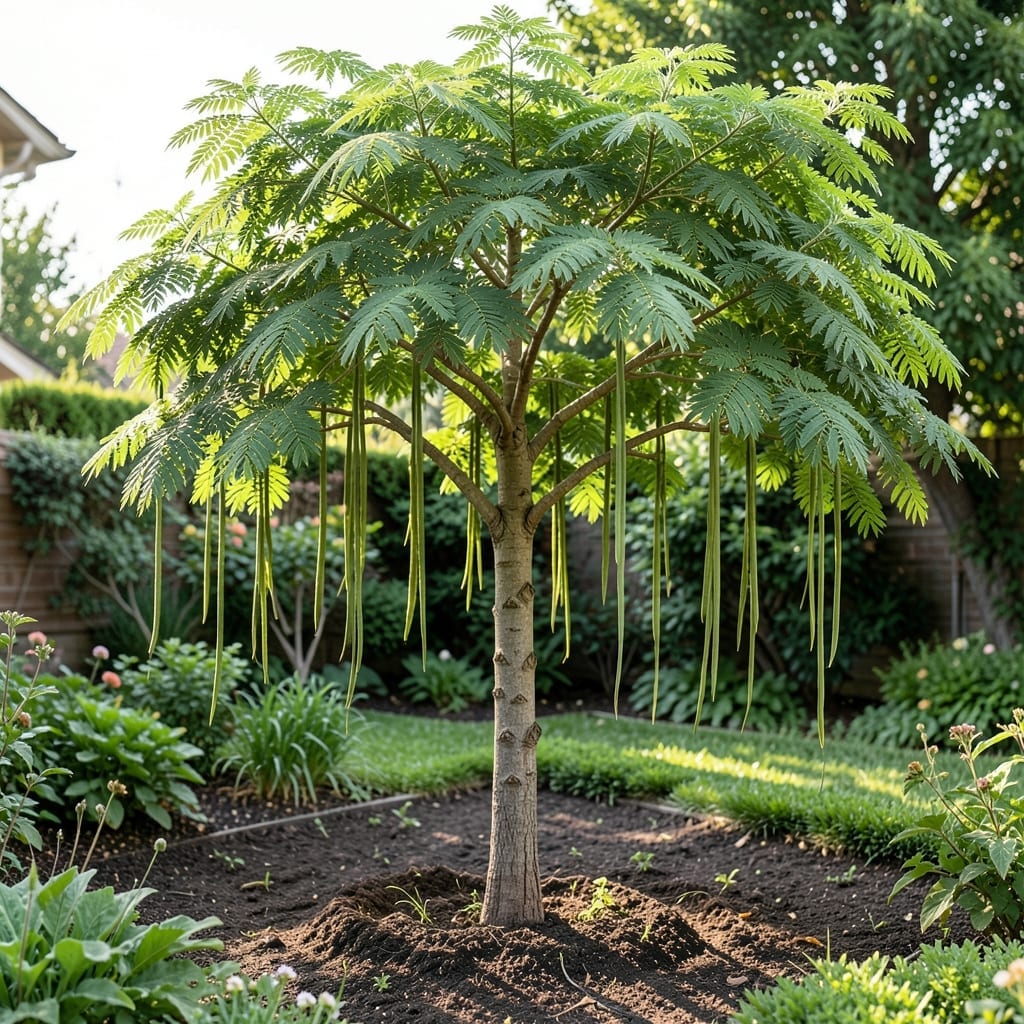
If you’ve ever planted a tree and waited years to see real growth, the Moringa Tree 🌳 will surprise you. This so-called “miracle tree” doesn’t just grow—it races toward the sky.
What makes it special isn’t just its speed, but how quickly you can start harvesting its nutrient-packed leaves. For gardeners in zones 9-11, this could be your most rewarding plant yet.
I’ll walk you through exactly how fast you can expect your Moringa Tree to grow, from those first tender sprouts to a towering, leafy powerhouse. The timeline might just amaze you.
Discover the growth stages and what you can do to help your tree reach its full potential even faster. Let’s dig in.

I’ve watched moringa trees go from tiny seeds to towering plants in what feels like the blink of an eye. In ideal conditions, these trees can grow 10 to 15 feet in just their first year. That’s not a typo—this tree is that fast.
For gardeners in zones 9-11, the growth is even more dramatic. With the right care, you can start harvesting nutrient-rich leaves within 6 months. That’s faster than most fruit trees even begin to think about producing.
During the rapid growth phase, which kicks in around month four, moringa can add 2-4 feet per month. I’ve seen stalks thicken and leaves burst out almost weekly. It’s like watching a time-lapse in real life.
By the 6-month mark, your tree could already be 6 feet tall. At this stage, it starts producing abundant leaves, which are packed with vitamins and minerals. You can begin light harvesting now without stunting growth.
At 1 year, moringa typically reaches 12-18 feet. This is when the tree starts looking like a proper small tree rather than an oversized bush. The trunk thickens, and branches become more defined.
Full maturity at 2 years brings the tree to its impressive 25-40 foot height. In tropical climates, it may even start producing edible pods. The growth rate slows slightly now, focusing more on leaf and pod production.
I recommend planting moringa in spring or early summer to take full advantage of the warm growing season. In zones 9-11, you can even get year-round growth with proper protection from rare cold snaps.
Remember, these are ideal conditions. If your soil is poor or sunlight limited, expect slower progress. But even in less-than-perfect environments, moringa tends to outperform most other trees in terms of speed.
For the fastest growth, provide full sun, well-draining soil, and regular watering during the first year. Once established, moringa becomes quite drought-tolerant, making it a low-maintenance dream for busy gardeners. 🌳
While Moringa trees are known for their rapid growth, several factors can either speed up or hinder their development. I’ve seen firsthand how tweaking these variables can make a noticeable difference.
From climate conditions to soil quality, each element plays a role in determining how quickly your tree will reach its impressive 25-40 ft mature height. Let’s explore what really moves the needle. 🌱
In my experience, sunlight exposure is the most critical factor. Without enough direct sun, your Moringa may grow slowly or become leggy as it stretches for light.
Watering practices also matter greatly. Young trees need consistent moisture, but overwatering can lead to root issues. I recommend a deep soak once a week for best results.
The right fertilizer can give your tree a significant boost. A balanced NPK ratio ensures all nutritional needs are met, promoting both foliage growth and strong stems. ☀️
Soil quality often gets overlooked, but it’s foundational. Sandy loam works best, as it drains well while retaining enough moisture. Adding compost at planting can improve poor soil conditions.
Lastly, temperature plays a huge role. Moringa hates frost and grows fastest in warm climates. If you’re in a cooler zone, consider container growing to move indoors during winter.