
Beautiful Plants For Your Interior
Beautiful Plants For Your Interior
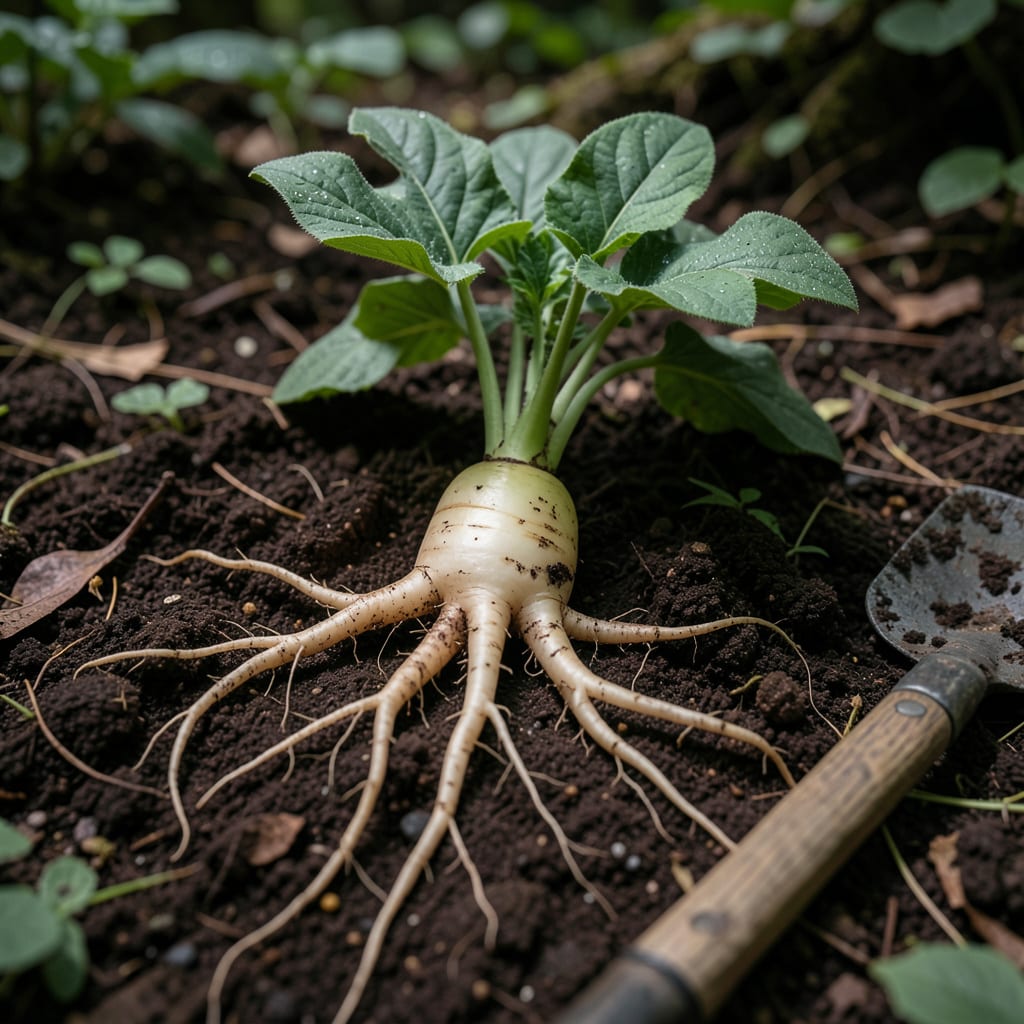
I never thought I’d grow a plant from medieval folklore in my backyard. Mandrake root, with its deep history and unique shape, brings a touch of magic to any garden space.
This isn’t your typical herb—it needs well-draining soil, partial shade, and careful handling. The reward? A fascinating plant with a rich legacy that thrives with just a little attention.
📚 In This Guide
This ancient plant requires patience and precision, but the process is straightforward.
Mandrake thrives in partial shade to full shade, making it ideal for wooded areas or north-facing gardens. I always choose a spot with rich, well-draining soil—this plant despises soggy roots. Test your location by checking soil moisture: it should feel damp but never waterlogged after rain.
Real talk: Mandrake takes 2-3 years to mature, so pick a permanent spot. Avoid areas with heavy foot traffic since the plant’s large leaves spread wide. A slightly elevated bed improves drainage if your soil tends toward clay.
Soak seeds in lukewarm water for 24 hours to soften their tough outer coating. Plant them 1/2 inch deep in loose, compost-enriched soil, spacing seeds 12-18 inches apart. Mandrake roots grow large and need room to expand without competition.
Water gently after planting, then keep the soil consistently moist but not saturated. You’ll see germination in 3-6 weeks—don’t dig to check! Disturbing the seeds can delay sprouting. I mark my planting spots with small sticks to avoid accidental disturbance.
Once seedlings emerge, reduce watering slightly—let the top inch of soil dry between waterings. Mandrake is drought-tolerant once established but performs best with regular moisture during its first year. I use a drip line to deliver water directly to the roots, keeping foliage dry.
Fertilize lightly with compost tea every 4-6 weeks during the growing season. Avoid high-nitrogen fertilizers, which produce excessive leaf growth at the expense of root development. The plant’s large, wrinkled leaves are normal—don’t mistake them for a problem.
Mandrake roots are ready to harvest in late fall or early spring of their second or third year. You’ll know they’re mature when the foliage dies back naturally. Use a garden fork to carefully lift the root, which can grow up to 12 inches long and resembles a human figure.
Here’s the thing—mandrake contains alkaloids that can be toxic if mishandled. Always wear gloves when harvesting and processing. Never consume any part of the plant without proper knowledge and preparation. The root’s unique shape makes it a fascinating addition to any garden, even if you never plan to use it medicinally.
Growing mandrake rewards patience, but these insights will save you years of trial and error.
Location Selection: In Step 1, remember that “partial shade to full shade” isn’t just a suggestion—it’s essential. Mandrake leaves scorch in direct sunlight, and the roots will wither. I learned this the hard way after losing my first batch to a too-sunny spot. Test your location by observing how much direct light it gets at noon.
Seed Preparation: The 24-hour soak in Step 2 is non-negotiable for breaking down that tough seed coat. Use lukewarm water, not hot, and change it halfway through if possible. I’ve found seeds soaked for the full 24 hours sprout consistently within the 3-6 week window, while skipped soaks can take months or fail entirely.
Patience with Germination: Those 3-6 weeks in Step 2 feel like forever when you’re eagerly waiting. Resist the urge to dig and check—disturbing the soil can set germination back by weeks. Instead, mark your planting spots clearly and trust the process. The first sign is usually a tiny crack in the soil before the seedling emerges.
Harvest Timing: In Step 4, waiting for the foliage to die back naturally is your best indicator. Mandrake roots harvested too early won’t have developed their characteristic shape or potency. I wait until late fall of the second year unless the foliage dies back earlier, which sometimes happens in colder climates.
Yes, but check local regulations! Mandrake contains alkaloids like scopolamine, so some states restrict its cultivation. Always research your area’s laws before planting.
Mandrake is slow-growing—expect 1-2 years for a mature root. Patience is key! Seeds may take weeks to germinate, and the plant prefers well-draining soil and partial shade.
Yes, but it’s tricky. Use a large, deep pot to accommodate the root and provide bright, indirect light. Ensure good airflow to prevent fungal issues. Outdoor growing is often easier.
Try Brugmansia (Angel’s Trumpet) or Datura for similar folklore vibes and easier care. Both have fast growth and striking flowers but are also toxic—handle with care!
Overwatering or poor drainage is the usual culprit. Mandrake hates soggy roots! Let the soil dry slightly between waterings, and ensure the pot or bed has excellent drainage.
