
Beautiful Plants For Your Interior
Beautiful Plants For Your Interior
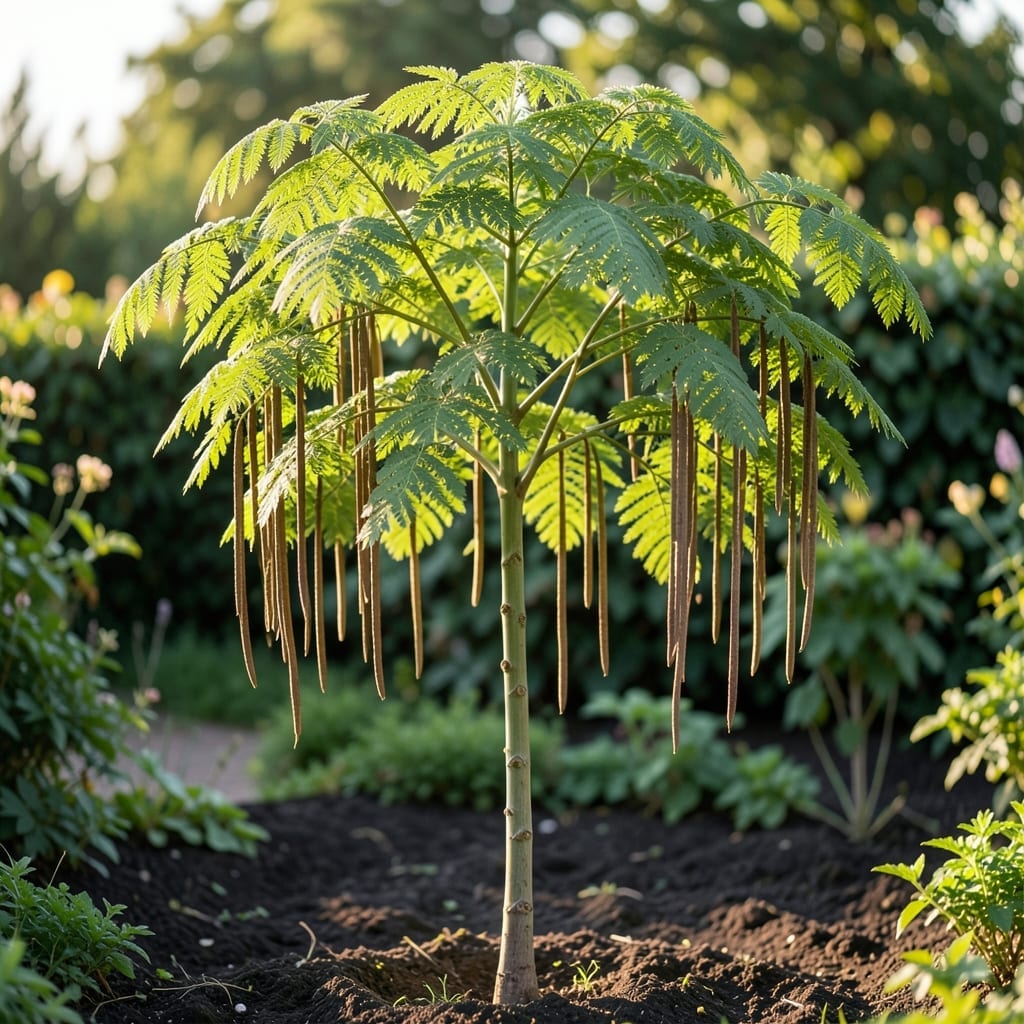
I remember the first time I saw a fully grown 🌳 Moringa Tree – its towering height completely changed my perspective on what these plants could achieve. What starts as a modest seedling can transform your garden landscape in just a few years.
Many gardeners underestimate just how substantially this tree can grow. Without proper planning, you might find yourself with a 20-40 ft giant where you expected a manageable shrub. The growth rate is one of the most surprising aspects of cultivating Moringa Trees.
Whether you’re working with a spacious backyard or a compact urban garden, understanding the mature size is the key to successful cultivation. The difference between a well-planned Moringa and an overwhelming one often comes down to this knowledge.
Discover how to anticipate and manage this remarkable growth, so you can enjoy all the benefits without the surprises. Your future self will thank you for learning this now.


If you’re planning to grow a moringa tree, understanding its potential size is crucial. In ideal conditions, these fast-growing trees can reach 20 to 40 feet tall with a spread of 10 to 15 feet. Their size makes them perfect for large landscapes or orchards. 🌳
However, climate plays a big role in determining their mature size. In tropical regions, moringa trees often hit the upper end of their height range. In temperate zones, they may stay smaller, especially if exposed to frost or shorter growing seasons. 🌿
| Climate Type | Mature Height | Mature Spread |
|---|---|---|
| Tropical | 30-40 ft | 12-15 ft |
| Subtropical | 20-30 ft | 10-12 ft |
| Temperate | 15-20 ft | 8-10 ft |
| Container-Grown | 6-10 ft | 4-6 ft |
The root system of a moringa tree is equally impressive, often spreading as wide as the canopy itself. In well-draining soil, roots can grow deep and extensive, helping the tree access water and nutrients efficiently. This makes moringa quite drought-tolerant once established. 💧
For gardeners in smaller spaces, dwarf varieties are an excellent option. These typically max out at 8 to 12 feet, making them more manageable for backyards or even large containers. Pruning can also help control height and encourage bushier growth. ✂️
In container gardening, moringa trees will naturally stay smaller due to root restriction. A large pot, at least 20-25 gallons, can support a tree up to 10 feet tall. Just ensure the container has good drainage to prevent root rot. 🪴
The canopy density of a mature moringa tree is moderate, allowing dappled sunlight to reach plants underneath. This makes it a great shade tree for underplanting with shade-tolerant species. Its leaves are feathery and light, reducing wind resistance. ☀️
If you’re in a cold climate, consider growing moringa as an annual or overwintering it indoors. Even in a single growing season, it can reach 6 to 8 feet, providing a good harvest of leaves and pods. Just protect it from temperatures below 32°F. 🌡️
For the best growth, plant your moringa in full sun and well-draining soil. With proper care, you’ll be amazed at how quickly it reaches its mature size. Regular watering and fertilizing during the growing season will support its rapid development. 🌱
If you’re planting a moringa tree, you’ll be amazed by its rapid growth. In the first 6 months, seedlings can reach 3-5 feet with proper care and warm conditions. This fast start makes moringa ideal for gardeners eager to see quick results.
From 6 to 18 months, the tree enters its juvenile phase, growing an additional 5-10 feet. By year 2, many varieties like the popular PKM1 can hit 10-15 feet, especially in tropical climates with consistent watering.
After 2 years, moringa trees enter maturity, typically reaching 15-20 feet. In perfect conditions—think full sun, well-draining soil, and regular watering—they can grow up to 40 feet tall. This makes them a stunning addition to any landscape.
Several factors influence growth rate. Water availability and soil quality are critical, especially in the first year. I’ve seen trees struggle in poor soil but thrive with compost enrichment and consistent moisture. Pruning also plays a role by encouraging bushier growth.
For those in cooler climates, growth may slow slightly, but container growing can help. Varieties like PKM1 are bred for faster growth, often outpacing standard types by 20-30% in ideal conditions. This makes them a favorite among gardeners short on patience.
Remember, while moringa grows fast, it’s not just about height. A healthy tree will develop a dense canopy and strong root system, ensuring stability and productivity for years to come. With the right care, you’ll enjoy both its beauty and its bountiful harvests 🌳