
Beautiful Plants For Your Interior
Beautiful Plants For Your Interior
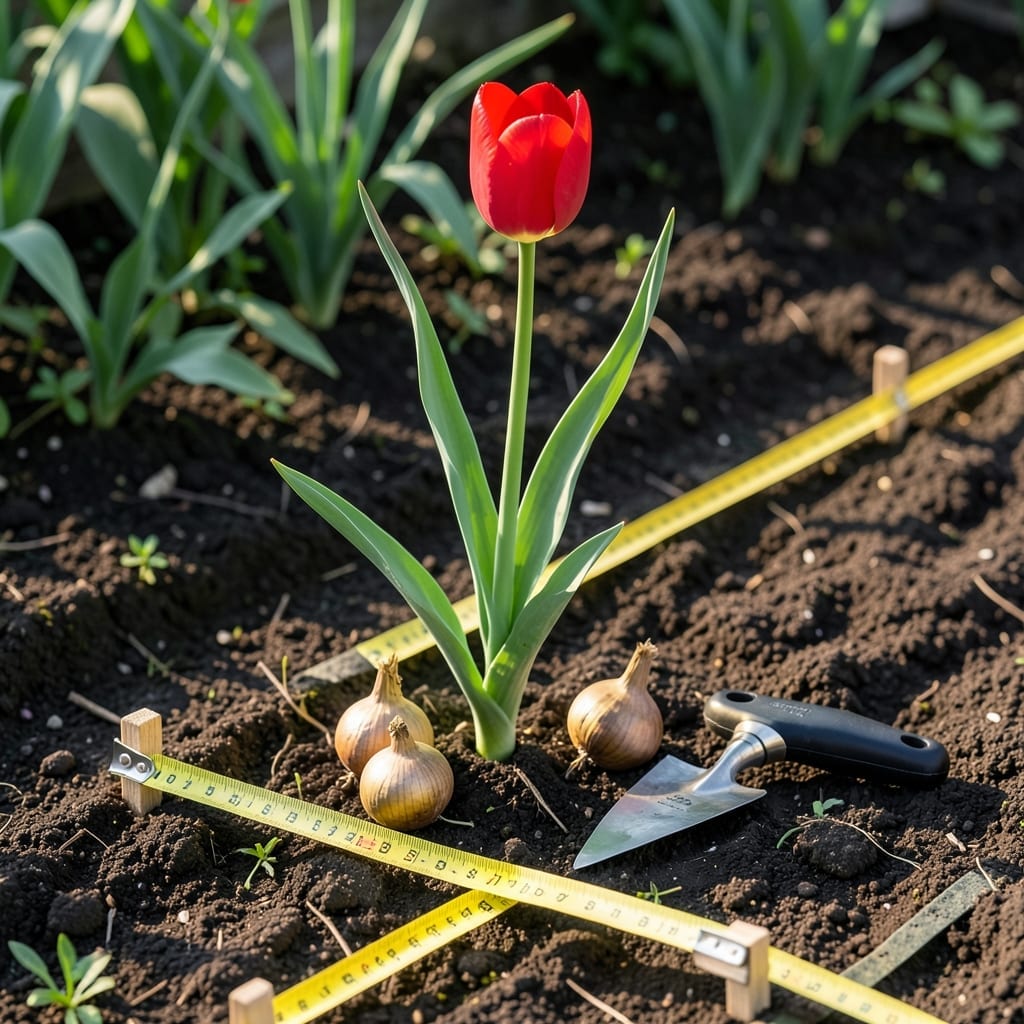
Achieving a stunning tulip display starts underground with proper bulb spacing. Plant them too close, and you risk overcrowding; too far apart, and your garden lacks that vibrant, full look.
I’ve learned that getting the 🌷 Tulip spacing right is the secret to healthy growth and breathtaking blooms. Whether you’re a beginner or a seasoned gardener, this small detail makes a big difference.
Let me walk you through the ideal measurements and patterns to ensure your tulips thrive. You’ll see just how simple it can be to create that picture-perfect garden.

Proper tulip bulb spacing is the foundation of a vibrant spring display. I’ve found that 4-6 inches apart works best for most varieties, giving each bulb enough room to grow without competing for nutrients.
Planting at this distance ensures good air circulation and prevents diseases like botrytis blight. It also allows the roots to expand fully, leading to stronger stems and larger blooms.
| Requirement | Specification |
|---|---|
| Spacing | 4-6 inches apart |
| Depth | 6-8 inches deep |
| Pattern | Grid or natural clusters |
| Soil Prep | Loosen soil 12 inches deep |
For a natural look, I prefer staggered spacing rather than perfect rows. This mimics how tulips grow in the wild and creates a more organic feel in your garden beds.
If you’re planting in containers, reduce the spacing slightly to 3-4 inches apart. Containers have limited space, but be careful not to overcrowd, or your tulips may struggle to thrive.
Remember that larger bulbs need more space. If you’re planting Darwin hybrids or other big varieties, lean toward the 6-inch spacing to accommodate their size.
Good soil preparation is just as important as spacing. I always loosen the soil to 12 inches deep and mix in compost to improve drainage and fertility.
After planting, water thoroughly to help the soil settle and eliminate air pockets. This gives your tulips a strong start before winter dormancy.
In colder climates, add a 2-3 inch layer of mulch after planting. This protects the bulbs from freeze-thaw cycles and helps retain moisture.
With the right spacing and care, you’ll be rewarded with healthy stems and vibrant blooms that make your garden the envy of the neighborhood. 🌷
Not all tulip bulbs are created equal when it comes to spacing. I’ve learned that bulb size and mature plant width directly impact how far apart you should plant them for optimal growth.
For example, Darwin hybrids and other large varieties typically need 6-8 inches between bulbs. Their bigger size means they require more room to develop strong stems and full blooms.
| Variety | Spacing | Notes |
|---|---|---|
| Darwin Hybrids | 6-8 inches | Large bulbs, tall stems |
| Parrot Tulips | 6-8 inches | Wide, flamboyant blooms |
| Species Tulips | 3-4 inches | Small, naturalizing types |
| Double Late | 4-6 inches | Full, peony-like flowers |
On the other hand, species tulips like Tulipa turkestanica are much smaller. These do well with just 3-4 inches between bulbs, making them perfect for naturalizing in rock gardens.
Parrot tulips, with their dramatic, ruffled blooms, also need that 6-8 inch spacing. Their wide, flamboyant flowers require extra room to shine without competing with neighbors.
I always check the bulb circumference when in doubt. Bulbs 2 inches or larger in diameter generally need that extra space, while smaller bulbs can be planted a bit closer together.
For mixed plantings, I use the largest variety’s spacing as my guide. This ensures all tulips have enough room while creating a cohesive, abundant display in spring. 🌷