
Beautiful Plants For Your Interior
Beautiful Plants For Your Interior
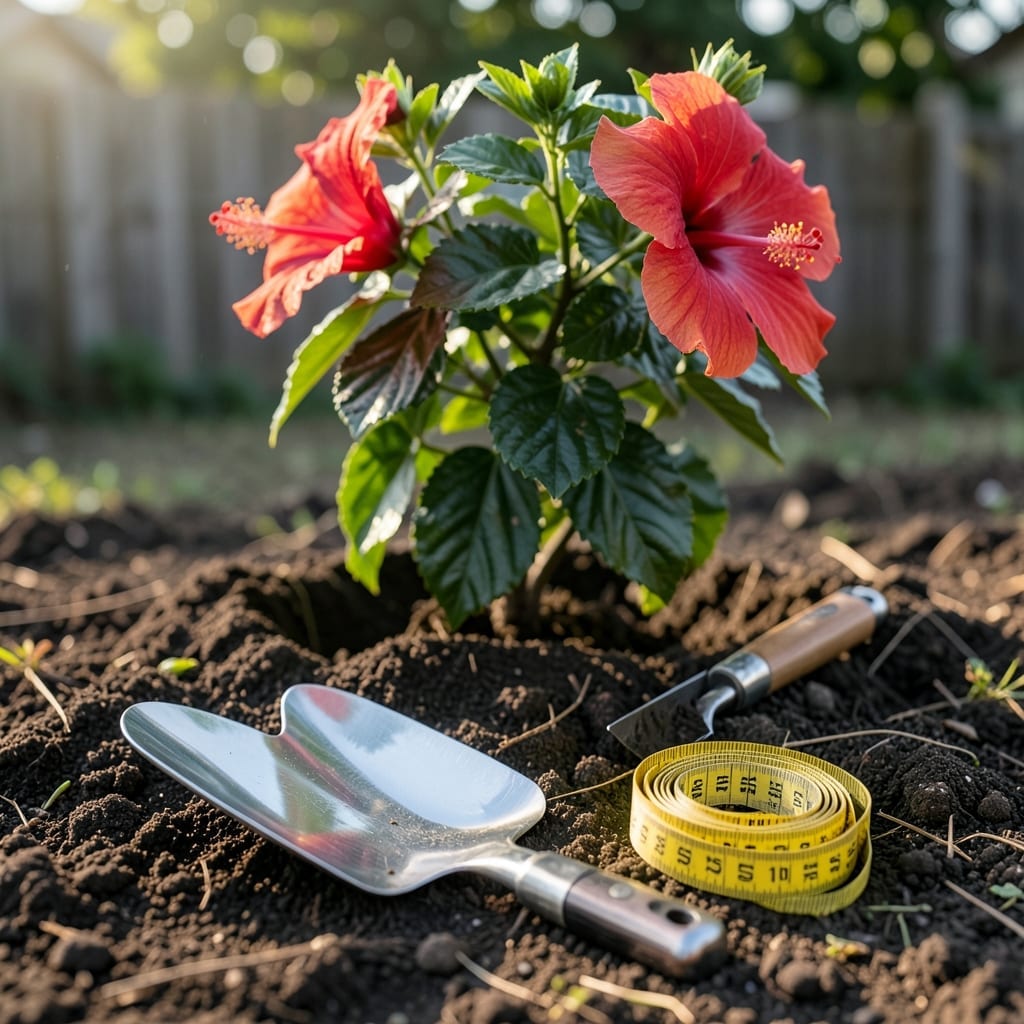
Proper spacing is the key to vibrant, healthy Hibiscus plants that thrive season after season. Plant them too close, and you risk disease and stunted growth; too far, and your garden loses its lush appeal.
I’ve seen both mistakes play out in gardens, and the difference proper spacing makes is night and day. Whether you’re planting tropical or hardy Hibiscus, getting this right ensures strong roots and abundant blooms.
What many gardeners overlook is how mature size varies by type. Dwarf varieties need less room, while standard shrubs can spread 5-8 feet wide. This guide will help you nail the perfect distance.
Discover how to balance beauty and practicality, so your Hibiscus 🌺 can flourish without crowding its neighbors. Let’s dig in.
Getting the spacing right for Hibiscus starts with knowing your variety. Tropical hibiscus, with its glossy leaves and vibrant blooms, typically needs 3-4 feet of breathing room between plants.
Hardy hibiscus, which can survive colder climates, often requires 4-6 feet to accommodate its larger mature size. Dwarf varieties, on the other hand, do well with just 2-3 feet of space.
| Variety | Mature Width | Spacing |
|---|---|---|
| Tropical Hibiscus | 3-4 ft | 3-4 feet apart |
| Hardy Hibiscus | 4-6 ft | 4-6 feet apart |
| Dwarf Hibiscus | 2-3 ft | 2-3 feet apart |
For hedge planting, I recommend spacing Hibiscus plants 2-3 feet apart to create a dense, lush barrier. This closer spacing encourages a fuller appearance as the plants grow together.
If you’re planting in rows, leave at least 3-4 feet between each row. This extra space ensures good air circulation, which helps prevent fungal diseases and promotes healthy growth.
Remember, soil quality and sunlight exposure also play a role. In rich, well-draining soil with full sun, your Hibiscus will likely grow larger and need a bit more space.
I’ve found that container-grown Hibiscus can be planted slightly closer together at first, but they’ll need more room as they establish. Always consider the mature size of your specific variety.
For best results, measure the spacing from the center of one plant to the center of the next. This ensures each Hibiscus has equal access to nutrients and water.
If you’re planting near a fence or wall, leave at least 2-3 feet of space to allow for proper growth and maintenance access.
Proper spacing not only keeps your Hibiscus healthy but also makes your garden look more professional and polished. It’s worth taking the time to get it right! 🌺
Getting Hibiscus spacing right means looking beyond just the plant tag. I always tell gardeners to consider their climate first—warmer zones let these shrubs sprawl, while cooler areas may need tighter groupings for protection. 🌡️
Then there’s soil type. Well-draining soil encourages wider root spread, so you can give plants a bit more room. Heavy clay? You might need to plant slightly closer to compensate for slower growth. 🌱
Sunlight exposure is another game-changer. Full sun locations produce vigorously growing Hibiscus that need maximum spacing, while partial shade areas might allow slightly tighter arrangements. ☀️
Your planting purpose matters too. Creating a Hibiscus hedge? Space plants 2-3 feet apart for a dense screen. Using them as specimen plants? Give them 5-6 feet to shine solo.
Don’t forget growth rate. Fast-growing varieties like Hibiscus rosa-sinensis can quickly fill spaces, while slower types need more patience. I’ve seen gardeners regret not accounting for this!
Lastly, check the mature width on the plant tag. Dwarf Hibiscus may only need 2-3 feet, while standard varieties often require 6-8 feet to reach their full potential. 🌺

