
Beautiful Plants For Your Interior
Beautiful Plants For Your Interior
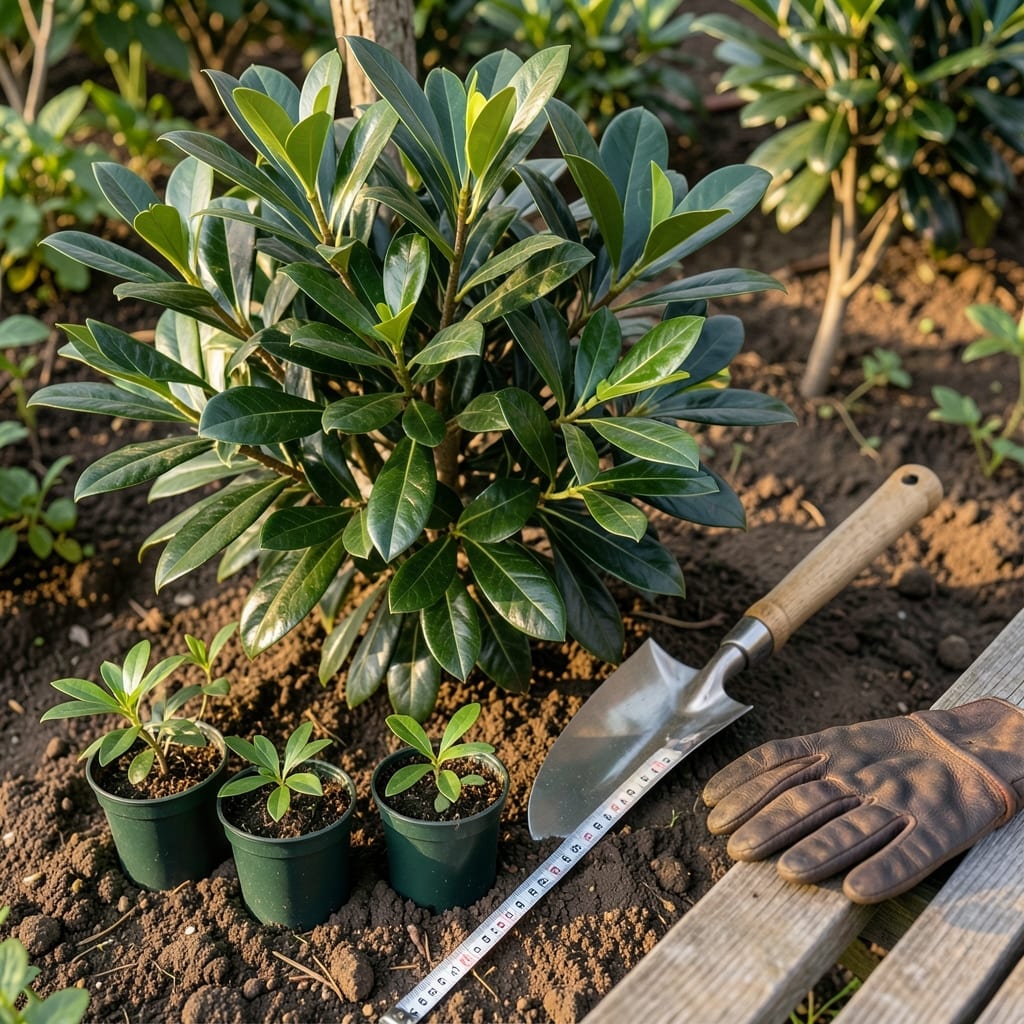
Creating a lush, dense hedge starts with one critical decision: how far apart to plant your 🌳 Podocarpus. Get this wrong, and you might end up with a sparse, patchy barrier instead of the thick, vibrant screen you envisioned.
I’ve seen too many gardeners struggle with underwhelming hedges simply because they didn’t plan their spacing properly. The good news? With the right approach, you can avoid these pitfalls entirely.
Let me walk you through the most effective spacing strategies to ensure your Podocarpus hedge thrives from day one. You’ll be amazed at the difference proper planning makes.
When planting a Podocarpus hedge, spacing is the foundation of its future health and appearance. I always recommend starting with the mature size of your chosen variety in mind. Different types have distinct growth habits that directly impact spacing needs.
The most common Podocarpus macrophyllus typically reaches 8-20 feet tall with a 4-8 foot spread. For a dense, continuous hedge, I suggest spacing these 3-4 feet apart in a single row.
| Variety | Mature Height | Mature Spread | Recommended Spacing |
|---|---|---|---|
| Podocarpus macrophyllus | 8-20 ft | 4-8 ft | 3-4 ft apart |
| Podocarpus nagi | 10-25 ft | 5-10 ft | 4-6 ft apart |
| Dwarf varieties | 3-6 ft | 2-4 ft | 2-3 ft apart |
For Podocarpus nagi, which grows taller and wider, I advise spacing plants 4-6 feet apart. This gives them room to develop their natural shape while still forming a solid hedge. Remember, these are just guidelines – your specific conditions may require adjustments.
If you’re working with dwarf varieties, closer spacing of 2-3 feet works well. These compact plants won’t need as much room to spread. For a double-row hedge, I recommend staggering the plants with 3-4 feet between rows and plants.
The key is to consider your long-term vision. Closer spacing creates a denser hedge faster but may require more pruning maintenance. Wider spacing takes longer to fill in but needs less upkeep over time.
I’ve found that in USDA zones 7b-11, where Podocarpus thrives, these spacing recommendations hold true. Just
For the best results, prepare your planting area thoroughly. Remove all weeds and loosen the soil to a depth of at least 18 inches. This gives the roots plenty of room to establish themselves before they start competing for space above ground.
In my experience, the most successful hedges are those where the gardener has thought ahead. Consider how tall and wide you want your hedge to be at maturity, then space accordingly. It’s always better to give plants a little extra room than to crowd them and face problems later.
Don’t forget that proper spacing also improves air circulation, which helps prevent fungal diseases. This is especially important in humid climates where Podocarpus is often grown ☀️
The spacing between your Podocarpus plants directly determines how thick and full your hedge will become. I’ve learned that closer spacing creates a denser hedge faster, but it comes with trade-offs you should consider carefully.
When plants are spaced 2-3 feet apart, they’ll fill in quickly to form a solid wall of foliage. However, this tight spacing means more frequent pruning to prevent overcrowding and maintain shape. The plants will compete for light and nutrients, which can stress them over time.
🌿 Key Insight: 3-4 feet spacing offers the best balance between quick fill-in and manageable maintenance for most Podocarpus macrophyllus hedges.
On the other hand, spacing plants 5-6 feet apart gives each plant more room to grow naturally. This approach requires less pruning maintenance but takes longer to achieve full density. You might wait 2-3 extra years for complete coverage.
I always remind gardeners that air circulation is crucial for plant health. Wider spacing allows better airflow, which reduces disease risk in humid climates. This is especially important for Podocarpus, which can be susceptible to fungal issues.
For a double-row hedge, I recommend staggered planting with 4 feet between plants in each row and 3 feet between rows. This creates a thicker barrier without sacrificing too much space or plant health.
Remember, your long-term maintenance capacity should guide your spacing decision. If you prefer low-maintenance landscaping, opt for wider spacing. If you want quick privacy and don’t mind regular pruning, go with tighter spacing 🌳