
Beautiful Plants For Your Interior
Beautiful Plants For Your Interior
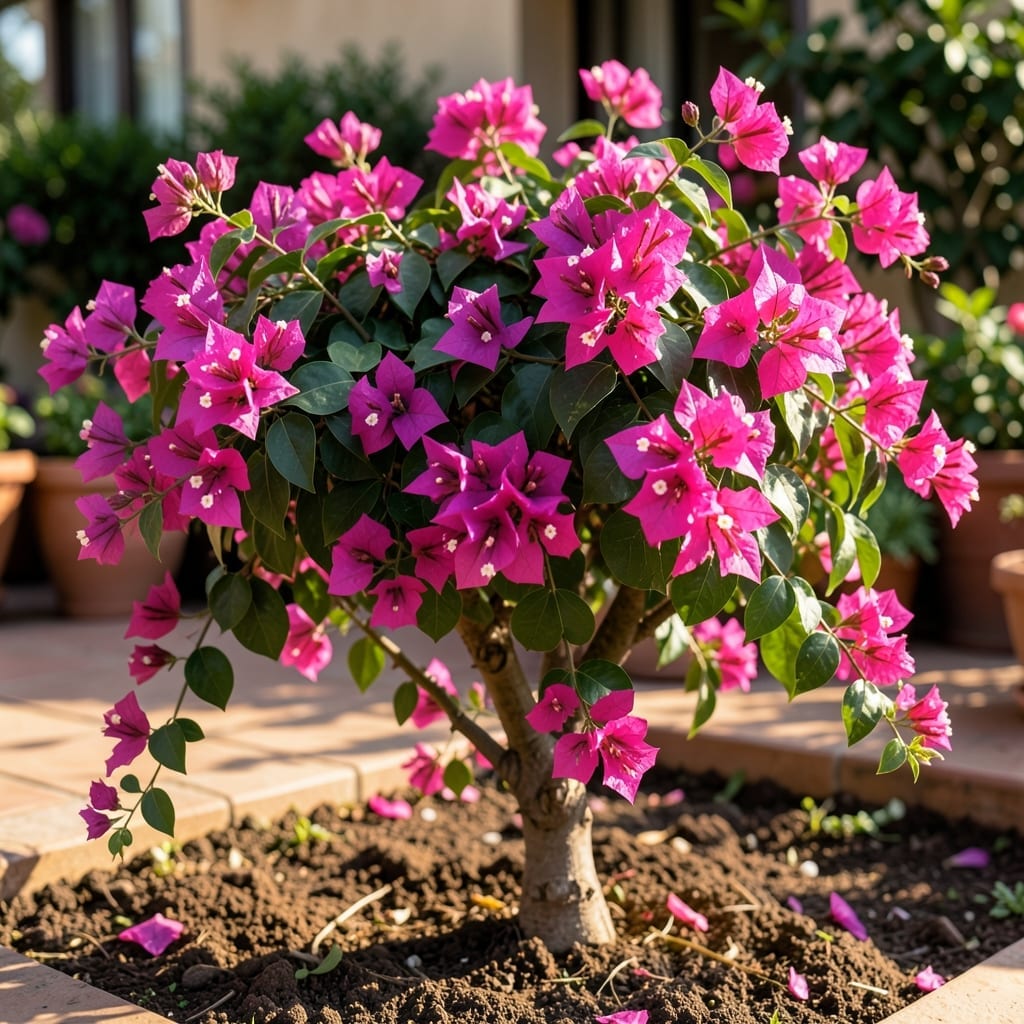
My bougainvillea refused to bloom for three summers straight. Then I discovered the two things these tropical beauties demand: full sun and strategic pruning at the right time of year.
Most gardeners overcomplicate the process with fancy fertilizers. The truth is simpler—these plants thrive on a little neglect. Too much water or shade creates leafy growth but zero flowers. Cut back on both, and you’ll see the difference.
What you get are vibrant bracts in pink, purple, or orange that cover the plant from spring through fall. The transformation from bare branches to explosion of color happens faster than you’d expect.
Works for potted plants on patios or in-ground specimens in warm climates. Here’s how to make it happen this season.
Understanding why your bougainvillea isn’t blooming starts with recognizing the most common environmental and care-related triggers. These vibrant plants thrive under specific conditions, and even small deviations can disrupt their flowering cycle. Below are the primary causes, backed by horticultural science.
Bougainvilleas are full-sun plants, requiring at least 6–8 hours of direct sunlight daily to produce blooms. Sunlight drives photosynthesis, which fuels the production of anthocyanins—the pigments responsible for the colorful bracts (often mistaken for flowers). Without adequate light, the plant conserves energy, prioritizing foliage growth over blooming. Shade or weak light (e.g., under trees or north-facing walls) starves the plant of the UV radiation needed to trigger flowering hormones like florigen.
Excess moisture is a silent bloom-killer. Bougainvilleas are drought-tolerant and bloom in response to mild stress. Overwatering or soggy soil leads to root rot, reducing the plant’s ability to absorb nutrients like phosphorus (critical for flowering). Additionally, consistently moist soil suppresses the cytokinin-to-auxin ratio, a hormonal balance that cues bloom development. Aim for deep but infrequent watering, allowing the top 1–2 inches of soil to dry out between sessions.
Too much nitrogen (N) promotes lush green growth at the expense of blooms, as the plant diverts energy to foliage. Bougainvilleas need a balanced fertilizer low in nitrogen and higher in phosphorus (P) and potassium (K)—think a 5-10-10 or 10-30-10 ratio. Phosphorus directly supports flower formation, while potassium enhances stress tolerance. A soil test can reveal deficiencies; amend with bone meal or a bloom-boosting fertilizer if phosphorus is low.
Bougainvilleas bloom on new growth, so pruning at the wrong time (e.g., late fall or winter) removes potential flowering wood. Prune immediately after a bloom cycle to encourage fresh, flower-bearing stems. Heavy pruning outside the active growing season (spring/summer) can delay or eliminate blooms entirely by disrupting the plant’s natural growth rhythm.
If your bougainvillea isn’t blooming, don’t worry—there are simple fixes for the most common causes. Below are practical solutions to get your plant thriving again, along with prevention tips to keep those vibrant bracts coming.
Bougainvilleas need at least 6 hours of direct sunlight daily to produce flowers. If yours is in shade, relocate it to a sunnier spot, preferably south- or west-facing. For potted plants, move them gradually to avoid shock. Prevention tip: Observe sunlight patterns in your garden and place new plants where they’ll get uninterrupted light.
These drought-tolerant plants hate soggy roots. If the soil stays wet, cut back on watering—let the top 1-2 inches dry out between sessions. Use well-draining soil and pots with drainage holes. Prevention tip: Water deeply but infrequently (every 2-3 weeks in summer, less in winter) to encourage strong roots and blooms.
Pruning stimulates new growth, which is where flowers form. Prune after each blooming cycle (or in early spring) to remove dead wood and shape the plant. Avoid heavy pruning in fall or winter, as this can remove potential flower buds. Prevention tip: Light, regular trimming keeps the plant compact and bloom-ready.
Too much nitrogen promotes leafy growth at the expense of flowers. Switch to a low-nitrogen, high-phosphorus fertilizer (like a 10-30-10 blend) every 4-6 weeks during growing season. Prevention tip: Dilute fertilizer to half-strength to avoid burning roots, and stop feeding in winter when growth slows.
Bougainvilleas bloom best in warm temperatures (70–85°F). If nights are too cold (below 50°F), move potted plants indoors or cover them with frost cloth. Prevention tip: Plant in a sheltered spot or use mulch to retain soil warmth.
With these tweaks, your bougainvillea should reward you with a burst of color in no time! 🌸
Water deeply but infrequently, allowing the top 1-2 inches of soil to dry out between sessions. In summer, this usually means every 2-3 weeks.
Use a low-nitrogen, high-phosphorus formula like 10-30-10. Apply every 4-6 weeks during growing season, but stop in winter.
No, they need full sun for 6-8 hours daily. Shade will produce leaves but few to no blooms. Move to a sunnier spot.
They bloom on new growth, so prune after a bloom cycle or in early spring. Fall/winter pruning removes potential flowers.