
Beautiful Plants For Your Interior
Beautiful Plants For Your Interior
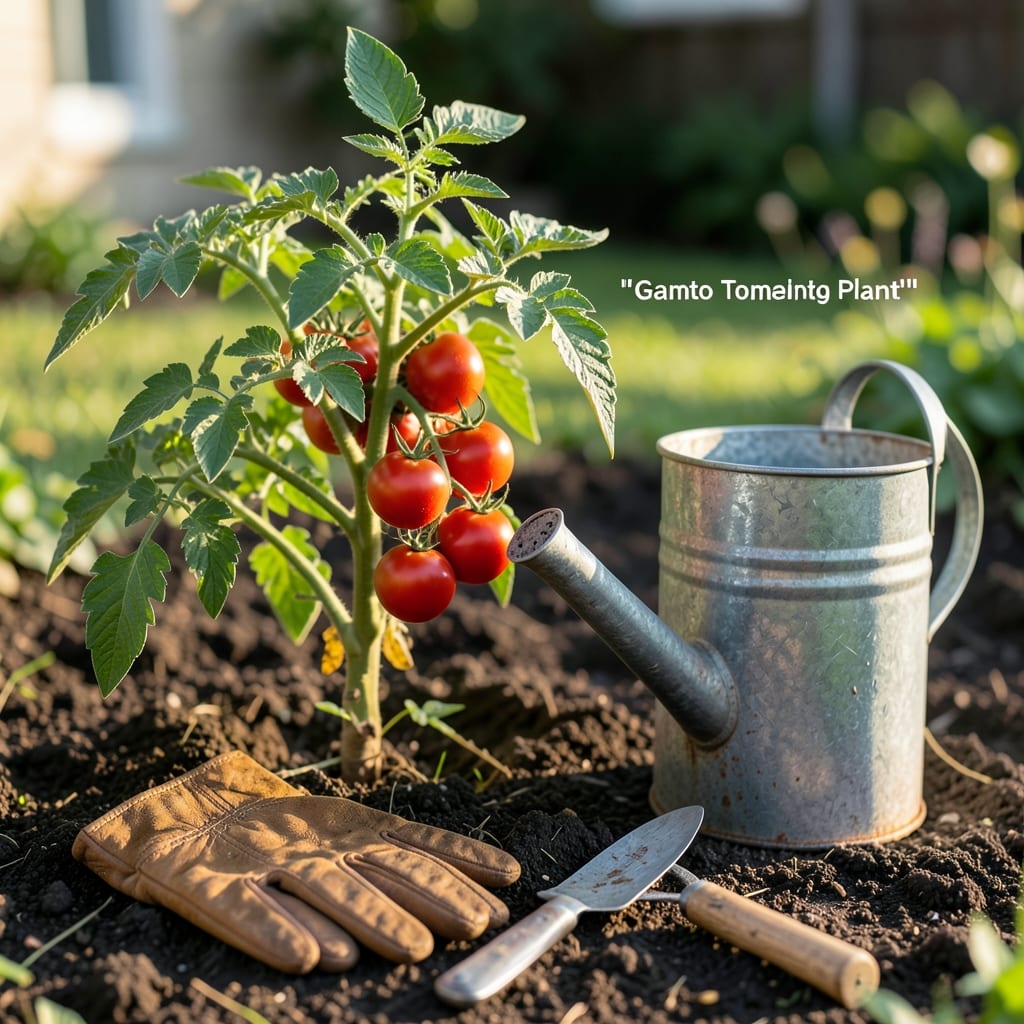
I remember my first garden—half the plants died because I overthought everything. Turns out, thriving plants come from simple, consistent care, not perfection.
You’ll learn to prep soil, pick the right plants, and water just enough. These small, steady habits make the difference between struggling and shockingly lush growth year-round.
📚 In This Guide
Here’s the method I’ve refined over years—simple adjustments that make a noticeable difference in plant vitality.
Start by evaluating the light conditions in each area where you plan to grow. Full sun means 6+ hours of direct sunlight, while partial shade gets 3-6 hours. I use a light meter app on my phone for accuracy—it’s surprising how much variation exists even in a small yard.
Check soil drainage by digging a 12-inch hole and filling it with water. If it drains completely within 1 hour, your soil is likely too sandy. If it takes over 4 hours, it’s too clay-heavy. Both scenarios need amending for most plants to thrive.
For sandy soil, work in 2-3 inches of compost to increase water and nutrient retention. For clay soil, add 1-2 inches of coarse sand or perlite to improve drainage. I’ve found that a 50/50 mix of compost to native soil works well for most vegetables and flowers.
Test soil pH with a home kit—most plants prefer 6.0-7.0. If your soil is too acidic, add lime. Too alkaline? Sulfur or peat moss can help. Adjusting pH isn’t instant; retest after 2-3 months before planting.
Match plants to your environment rather than forcing unsuitable species to adapt. For shady spots, try hostas or ferns. For hot, dry areas, drought-tolerant options like lavender or sedum excel. I keep a garden journal noting which varieties perform best in each microclimate.
Consider mature plant size when spacing. Crowding leads to competition for water and nutrients. For example, tomato plants need 2-3 feet between plants, while lettuce can be spaced 6-8 inches apart. Always check the plant tag for specific requirements.
Water deeply but less frequently to encourage deep root growth. Most plants need 1-2 inches of water per week, including rainfall. I water in the early morning to reduce evaporation and prevent fungal diseases that thrive in evening dampness.
Use the finger test: stick your finger 1-2 inches into the soil. If it feels dry, it’s time to water. For potted plants, lift the container—if it feels light, it needs water. Drip irrigation or soaker hoses deliver water directly to roots while keeping foliage dry.
Spring is for planting and establishing new growth. Summer requires vigilant watering and pest control. Fall is ideal for soil testing and adding amendments. Winter’s the time to plan next year’s garden and order seeds. I’ve found this cycle keeps my garden productive year after year.
Watch for early signs of trouble: yellowing leaves often indicate overwatering, while brown edges suggest underwatering. Pests like aphids cluster on new growth, so inspect plants weekly. Catching issues early prevents small problems from becoming major setbacks.
Small adjustments make a big difference in plant health and productivity.
Light Evaluation: Use that 6+ hours of direct sunlight benchmark from Step 1 rigorously. I once misjudged a spot as full sun when it only got 5 hours, and my tomatoes struggled. A light meter app removes guesswork and ensures you’re matching plants to their ideal conditions.
Soil Test Insight: The 12-inch hole drainage test in Step 1 is genius. Sandy soil that drains in under 1 hour needs compost, while clay that takes over 4 hours benefits from perlite. I learned this after losing three rosemary plants to waterlogged roots in heavy clay.
Plant Spacing: The spacing guidelines in Step 3 are non-negotiable. Crowding plants—even by a few inches—creates competition that stunts growth. That 2-3 feet between tomato plants isn’t just a suggestion; it’s the difference between a jungle and a productive garden.
Watering Wisdom: The 1-2 inches of water per week rule from Step 4 works, but only with the finger test. I watered on a strict schedule once and nearly drowned my basil. The soil at 1-2 inches deep tells you what the plants actually need.
Early morning is ideal , as it allows plants to absorb water before the day’s heat and reduces evaporation. Avoid watering in the evening to prevent fungal growth.
Use companion planting, like marigolds to deter pests, or spray a mix of water and mild soap. Neem oil is another great organic option .
Absolutely! Containers, vertical gardens, and windowsill planters work great for small spaces. Herbs, lettuce, and cherry tomatoes thrive in pots.
Overwatering, nutrient deficiencies, or poor drainage are common culprits. Check soil moisture and adjust your care routine .
Start with low-maintenance options like basil, mint, or zucchini. These grow quickly and tolerate minor mistakes.