
Beautiful Plants For Your Interior
Beautiful Plants For Your Interior
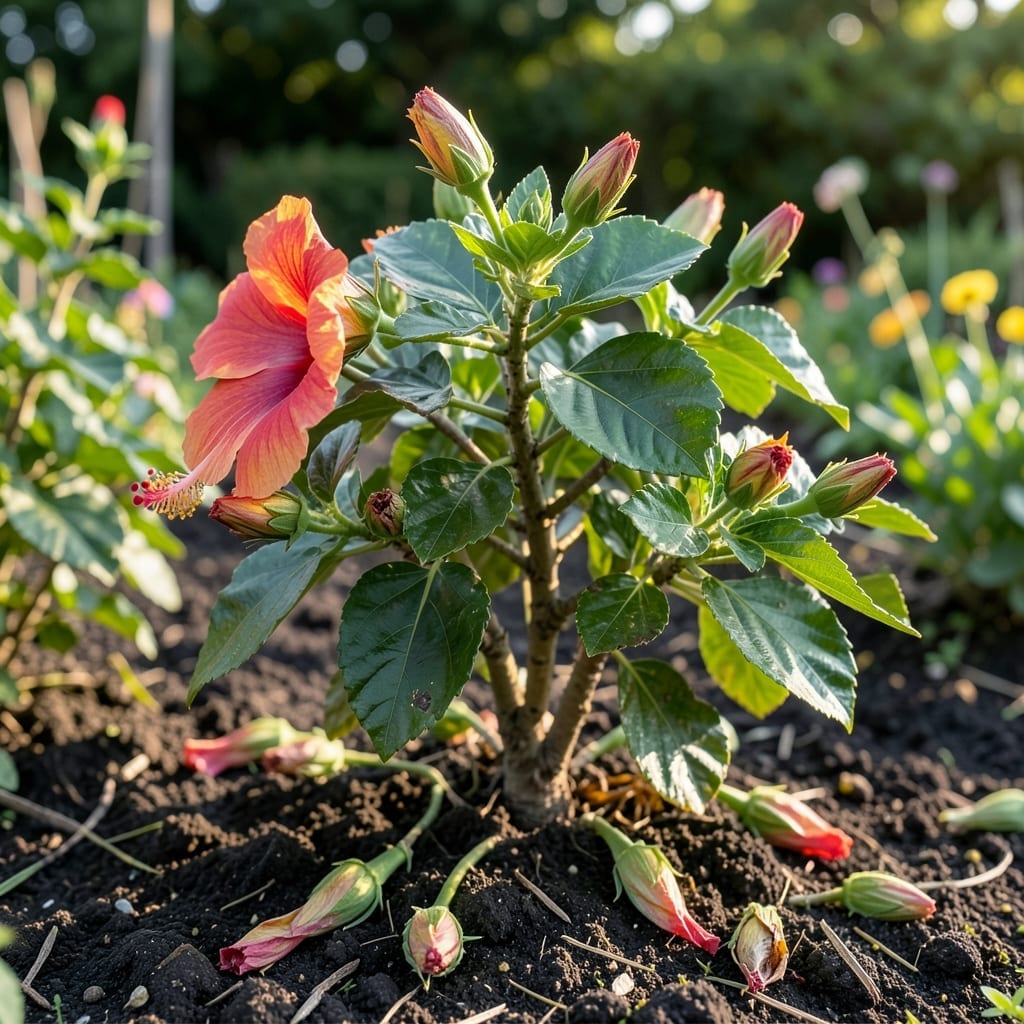
Nothing’s more frustrating than watching your hibiscus form beautiful buds, only to have them drop before they bloom. I’ve been there—staring at the ground, counting fallen buds like lost opportunities.
In most cases, it’s not disease or pests causing the problem. The usual suspects are environmental stress: sudden temperature swings, inconsistent watering, or even too much fertilizer. Your plant is essentially saying, “I can’t handle this right now.”
I learned the hard way that overwatering kills more plants than underwatering. With hibiscus, it’s about balance—steady moisture without soggy roots, and a stable spot shielded from harsh winds or direct afternoon sun.
Once you pinpoint the stressor, recovery is quick. Adjust the care, and those buds will stick around long enough to open into vibrant blooms.
Hibiscus buds dropping before they bloom is a common frustration, often tied to stress or environmental factors. Below are the most frequent causes, explained with actionable insights.
Hibiscus plants are sensitive to sudden temperature changes. If nighttime temperatures drop below 50°F (10°C) or daytime heat exceeds 90°F (32°C), the plant may shed buds to conserve energy. This is a survival mechanism triggered by thermal stress, which disrupts hormone balance and nutrient flow to the buds.
Overwatering or underwatering can both lead to bud drop. Hibiscus prefer moist but well-drained soil. Too much water suffocates roots, reducing oxygen uptake and nutrient absorption, while drought stress causes the plant to prioritize survival over flowering. Aim for 1–2 inches of water per week, adjusting for rainfall and soil type.
A lack of key nutrients, particularly phosphorus and potassium, can cause buds to abort. Phosphorus supports flower development, while potassium aids in overall plant resilience. Use a balanced, water-soluble fertilizer (e.g., 10-10-10 or 12-4-8) every 2–4 weeks during the growing season. Yellowing leaves may signal a magnesium deficiency, which can also contribute to bud drop.
Pests like aphids, thrips, and spider mites sap nutrients from the plant, weakening it and causing bud drop. These insects often target new growth and flower buds. Inspect the undersides of leaves and buds regularly. Treat infestations with neem oil or insecticidal soap, applying in the early morning or late evening to avoid harming beneficial insects.
Hibiscus thrive in full sun (6+ hours daily) and humid conditions. Low light or dry air can stress the plant, leading to bud drop. If growing indoors, use a humidifier or place a tray of water near the plant to increase humidity. Outdoors, ensure the plant is sheltered from strong winds, which can physically damage buds or cause moisture loss.
If your hibiscus buds are dropping before they bloom, don’t panic—there are clear fixes for each common cause. Follow these practical solutions to bring your plant back to its vibrant best.
If sudden temperature swings or cold drafts are to blame, move your hibiscus to a stable, warm location. Keep indoor plants away from AC vents or drafty windows. For outdoor plants, use frost cloths during unexpected cold snaps. Prevention tip: Hardy hibiscus varieties tolerate cooler temps better—choose wisely if you live in a fluctuating climate.
Inconsistent watering is a top culprit. Check soil moisture by sticking your finger an inch deep—if it’s dry, water thoroughly. If it’s soggy, let it dry out before watering again. Use well-draining soil and pots with drainage holes to avoid root rot. Pro tip: Mulch around the base to retain moisture without waterlogging.
Hibiscus are heavy feeders. If buds drop due to lack of nutrients, switch to a balanced, water-soluble fertilizer (like 10-10-10) every 2-4 weeks during growing season. For phosphorus deficiency (which affects blooming), use a bloom-boosting fertilizer. Prevention tip: Test your soil annually to catch deficiencies early.
Inspect leaves and buds for aphids, thrips, or spider mites. Spray off pests with a strong water stream or apply neem oil weekly until they’re gone. For severe infestations, use insecticidal soap. Prevention tip: Encourage beneficial insects like ladybugs by planting companion flowers nearby.
Over-pruning or rough handling can shock the plant. Prune only after blooming and use clean, sharp shears. Remove dead or weak branches to redirect energy to healthy buds. Pro tip: Avoid heavy pruning in peak summer—it can stress the plant and cause bud drop.
With these adjustments, your hibiscus should stop shedding buds and start flaunting its stunning blooms in no time! 🌺
Yes, soggy soil suffocates roots and triggers bud drop. Always check soil moisture before watering—1–2 inches per week is ideal.
If temperature swings or drafts are the culprit, relocating to a stable, warm spot can prevent further stress. Avoid direct AC vents or cold windows.
Inspect for aphids or mites and spray with neem oil weekly. For severe cases, use insecticidal soap at dawn or dusk.
Use a balanced, water-soluble fertilizer like 10-10-10 every 2–4 weeks. Phosphorus-rich options boost blooming.