
Beautiful Plants For Your Interior
Beautiful Plants For Your Interior
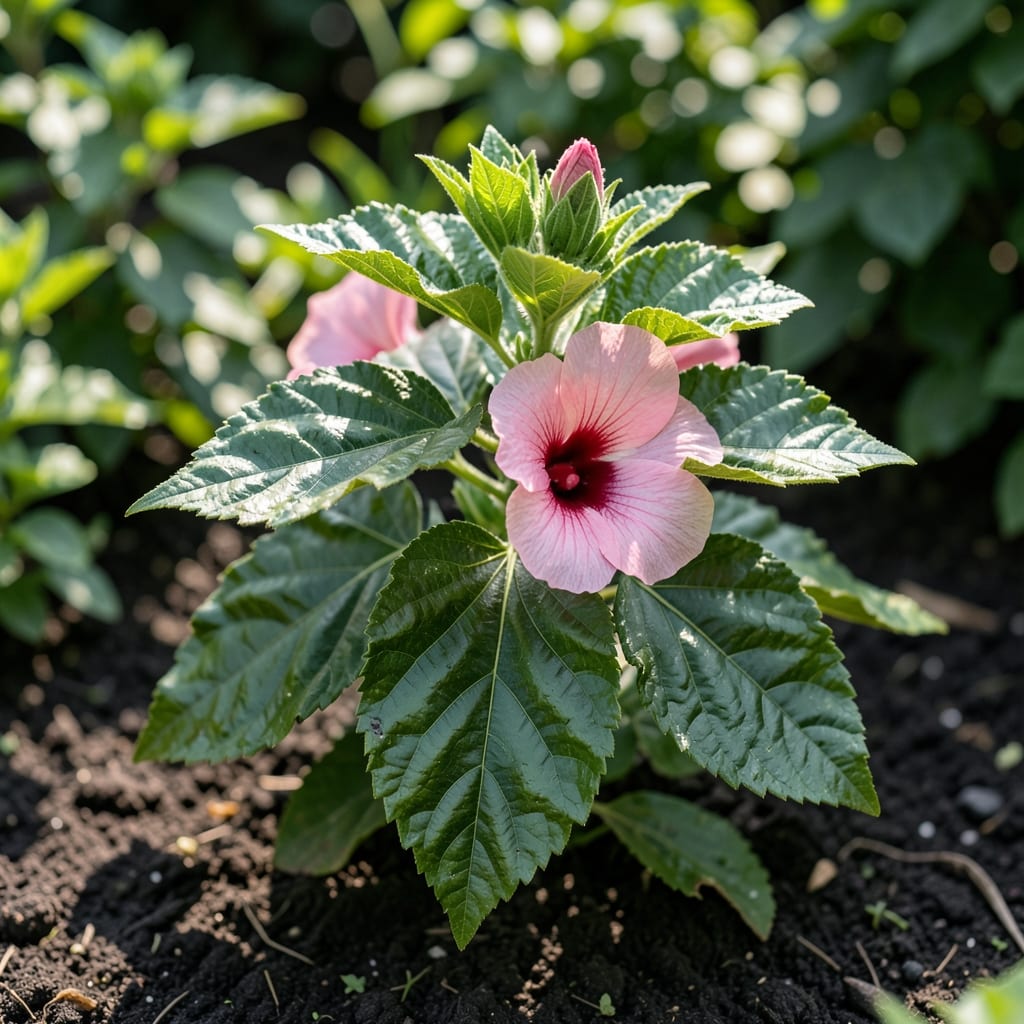
Those big, dinner-plate leaves on your hibiscus moscheutos tell a story. Yellowing edges, brown spots, or curled margins aren’t just eyesores—they’re your plant’s way of waving a white flag.
I’ve learned that most leaf problems trace back to 3 common culprits: water stress, nutrient gaps, or silent pests. Fix the root issue, and those glossy green leaves bounce back faster than you’d expect.
📚 In This Guide
Here’s my reliable process for identifying what your leaves are telling you about plant health.
Start by looking at the overall color of the foliage. Healthy leaves should be a deep, uniform green. If you notice yellowing between the veins, that’s a classic sign of iron deficiency—your soil might be too alkaline. Check the undersides too; pale yellow leaves with green veins often indicate the same issue.
Dark spots or purple tinting usually mean phosphorus is lacking. Brown edges can signal either underwatering or excess salt from fertilizer. I always compare leaves from different parts of the plant to spot inconsistent patterns that reveal the real problem.
Run your fingers gently over the leaf surface. Sticky residue often means aphids or scale insects are feeding. Tiny holes or ragged edges typically point to Japanese beetles or caterpillars. If the leaves feel dry and crispy, your plant is likely thirsty.
Wilting leaves that don’t recover after watering could indicate root rot from overwatering. Black spots with yellow halos often mean fungal disease like leaf spot. I’ve found that catching texture changes early prevents most serious problems from developing.
Hibiscus moscheutos thrives in full sun but can scorch in intense afternoon heat. If leaves appear bleached or have brown patches, they might be getting too much direct sun. Move the plant to a location with morning sun and afternoon shade.
Check your watering routine next. Leaves that turn yellow and drop off often mean the plant is waterlogged. Conversely, leaves that curl at the edges typically signal underwatering. I water when the top inch of soil feels dry, which usually means every 2-3 days in hot weather.
Look at the stems where leaves attach. If new growth is stunted or deformed, it often means nutrient deficiency. If you see blackened stems, it could be stem rot from overwatering. I pay special attention to the newest leaves—they show problems first.
Compare the size of new leaves to older ones. Significantly smaller new growth suggests the plant isn’t getting enough nutrients. If the stems feel soft or mushy, reduce watering immediately. Healthy stems should be firm and green, with new leaves slightly larger than the ones below.
After identifying the issue, make one change at a time. If you suspect underwatering, increase frequency gradually. For nutrient problems, apply a balanced fertilizer. For pests, use insecticidal soap. I’ve found that plants recover fastest when changes are introduced slowly.
Keep a journal of your observations and adjustments. Note when you see improvements or new symptoms. Most leaf problems resolve within 2-3 weeks of proper care. The key is consistency—hibiscus moscheutos responds well to regular, attentive maintenance.
Here are the key insights I wish I’d known when I first started caring for hibiscus moscheutos.
Early Detection is Everything: In Step 1, don’t wait for pests to become visible to the naked eye. I use a magnifying glass to check leaf undersides weekly—spotting aphids or mites when they’re just tiny dots makes treatment with neem oil or insecticidal soap far more effective. The 5-7 day retreatment window mentioned in the instructions is your best defense against rebound infestations.
The Fungus FIX: For Step 2, I learned the hard way that removing affected leaves isn’t enough. After pruning, sterilize your pruners with rubbing alcohol between cuts to prevent spreading fungal spores. The 7-10 day copper fungicide application mentioned in the instructions works best when combined with morning watering—this gives leaves all day to dry, which fungi hate.
Watering Wisdom: Step 3’s 1-2 inch soil check is your best guide, but here’s what nobody tells you—hibiscus moscheutos hate wet feet. If your plant is in a container, elevate the pot on bricks or pot feet to ensure proper drainage. That 3-4 day watering schedule works perfectly when you follow the top-inch-dry rule religiously.
Light and Nutrition Connection: In Step 4, the full sun to partial shade requirement isn’t just about light—it affects how your plant uses nutrients. Plants in full sun need that 2-3 week fertilizer schedule more than those in partial shade. And that new growth appearing within 2-3 weeks after adjustments? That’s your plant’s way of saying “thank you” for getting it right.
Yellow leaves often signal overwatering, nutrient deficiencies, or poor drainage. Check soil moisture and adjust watering habits. A balanced fertilizer can restore vibrant green leaves.
Prune in late winter or early spring before new growth starts. This encourages healthy blooms and removes damaged or diseased leaves, keeping your plant thriving.
Yes! Neem oil is a natural remedy for pests like aphids or fungal issues. Mix with water and spray evenly on leaves, focusing on the undersides for best results.
Aphids, spider mites, and whiteflies are typical culprits. Inspect leaves regularly and treat with insecticidal soap or neem oil to prevent infestations.
Wilting may indicate underwatering or root stress. Water deeply at the base and ensure proper drainage. If the soil is soggy, let it dry slightly before watering again.