
Beautiful Plants For Your Interior
Beautiful Plants For Your Interior
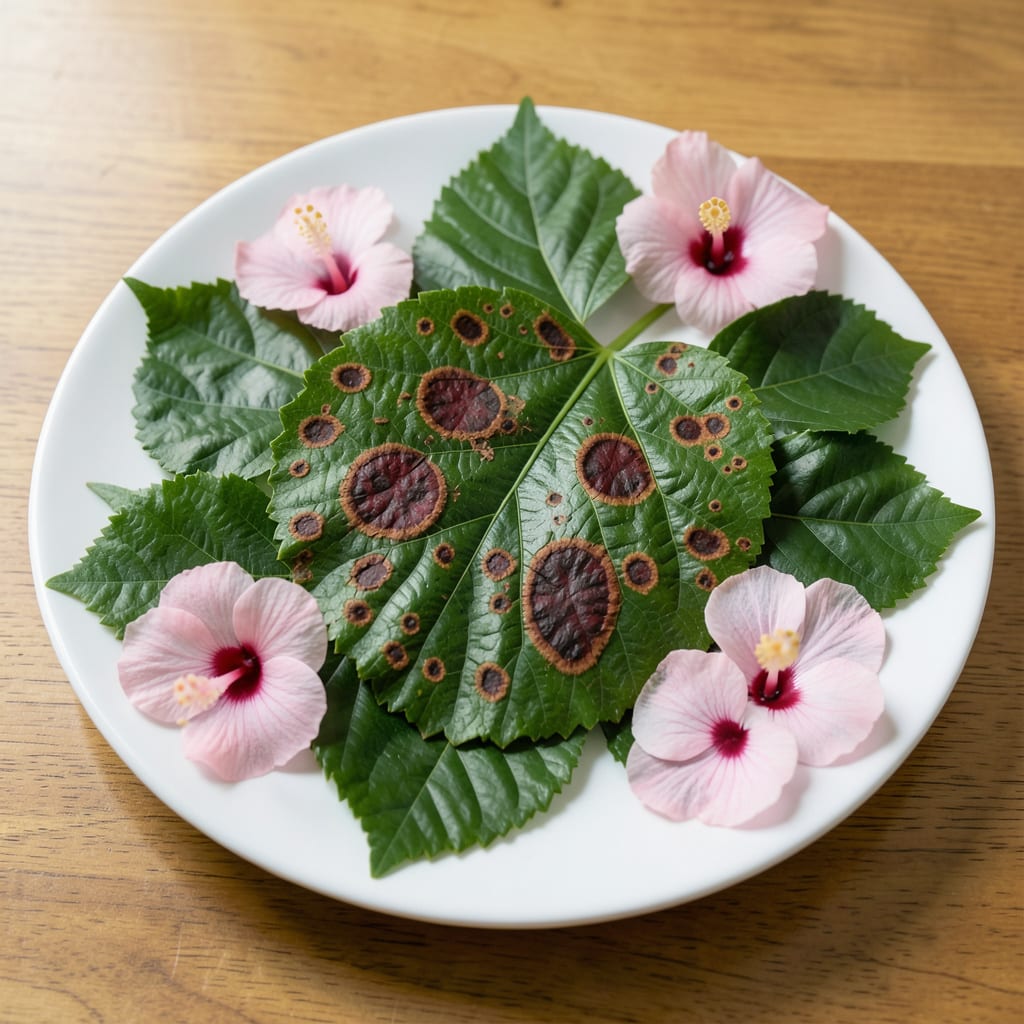
Yellow spots on your hibiscus leaves aren’t just ugly—they’re a warning. I’ve seen leaf spot disease spread through a healthy plant in 48 hours when left unchecked, turning vibrant blooms into a sad, defoliated skeleton.
Here’s the thing—this isn’t about bad luck or poor gardening. It’s usually too much moisture on leaves, poor air circulation, or fungal spores hitching a ride on your tools. The good news? Organic solutions actually work better than harsh chemicals long-term.
Catching it early means the difference between a quick recovery and losing your plant entirely. Look for small brown spots with yellow halos, then act fast with neem oil or baking soda sprays.
Prevention is simpler than cure: water at the base, space plants properly, and clean up fallen leaves. Your hibiscus will thank you with bigger blooms next season.
Hibiscus leaf spot disease often starts with simple, preventable factors. Here’s a breakdown of the most common causes:
Prolonged leaf wetness is a primary trigger. Fungal pathogens like Cercospora and Phyllosticta thrive in damp conditions. Overhead watering, high humidity, or poor air circulation creates the perfect breeding ground. Water droplets on leaves for more than 6–8 hours can initiate infection.
Warm, humid climates (75–85°F) accelerate fungal growth. Conversely, sudden temperature drops or heat stress can weaken the plant, making it more susceptible to pathogens. Hibiscus plants under stress produce fewer defensive compounds, leaving them vulnerable.
Fallen leaves, debris, or unpruned branches harbor spores. If infected plant material isn’t removed, spores can overwinter and reinfect the hibiscus in the next growing season. Sterilizing pruning tools between cuts prevents cross-contamination.
Over-fertilization, especially with nitrogen-heavy mixes, promotes lush but weak growth. Soft, new leaves are easier for fungi to penetrate. Conversely, potassium or calcium deficiencies reduce the plant’s natural resistance, making it an easy target for leaf spot diseases.
When leaf spot disease strikes your hibiscus, quick and targeted action can restore plant health. Below, we map common causes to practical fixes, plus prevention tips to keep your garden thriving.
Fungal spots thrive in damp, still conditions. Prune crowded branches to boost airflow, and water at the base to keep foliage dry. Apply neem oil or a baking soda spray (1 tsp baking soda + 1 quart water + a drop of dish soap) weekly until spots fade.
Too much moisture invites disease. Let the top inch of soil dry between waterings, and use drip irrigation to avoid wetting leaves. Morning watering gives foliage time to dry in the sun.
💡 Pro Tip: Mulch with organic matter to retain soil moisture without oversaturating roots.
Weak plants are more susceptible. Test your soil—hibiscus prefers slightly acidic (pH 6.0–6.5). Amend with compost or a balanced fertilizer to strengthen resistance. Avoid high-nitrogen feeds, which promote lush (but disease-prone) growth.
✨ Remember: Healthy hibiscus = fewer outbreaks. Consistency is key!
Early signs are small brown or purple spots with yellow halos on leaves. They often appear on older leaves first and spread upward. Check undersides for matching discoloration.
Wet leaves for 6+ hours create perfect fungal conditions. Always water at the base in morning to allow foliage to dry. Drip irrigation works best.
Yes, but sterilize tools between cuts with rubbing alcohol. Remove infected leaves immediately and dispose in sealed bags. Never compost diseased plant material.
