
Beautiful Plants For Your Interior
Beautiful Plants For Your Interior
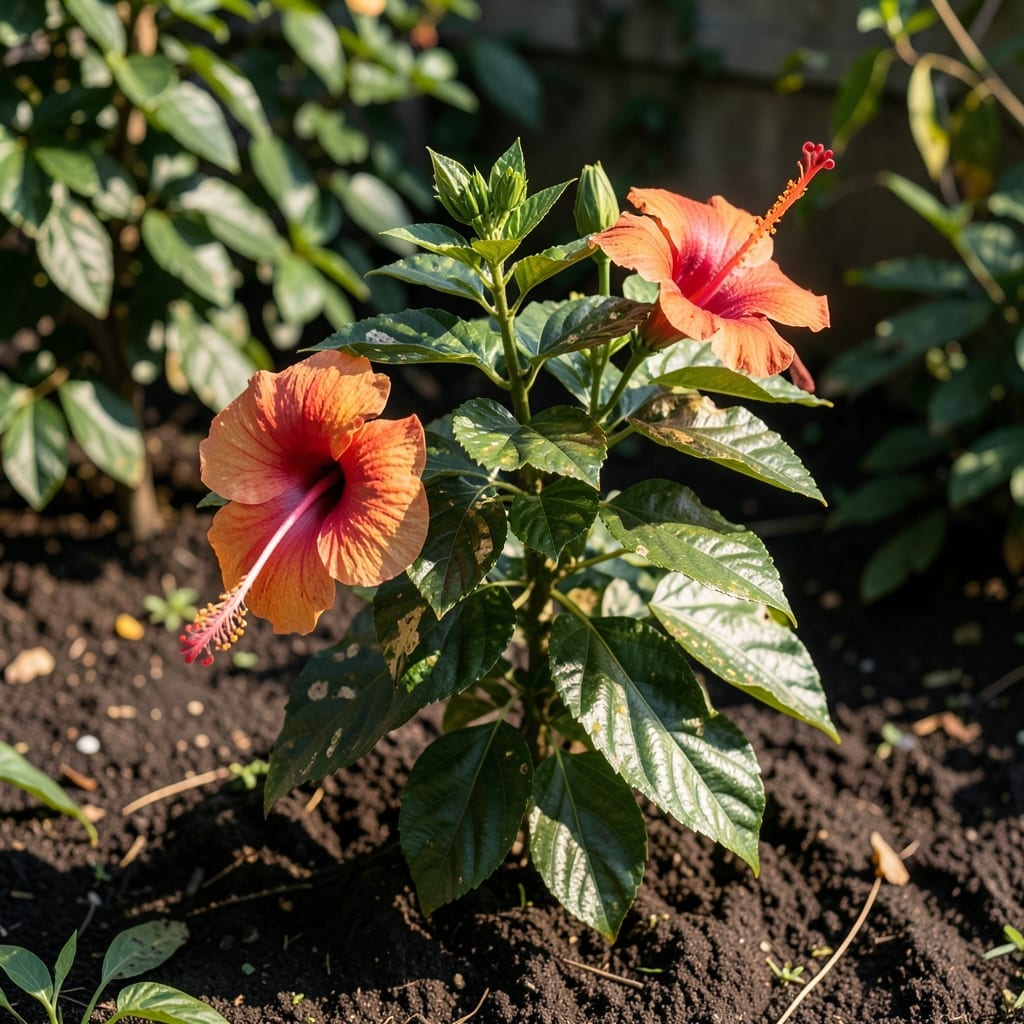
White hibiscus leaves usually signal chlorosis, and it’s fixable. I’ve saved dozens of plants by catching this early—before the whole bush turns pale and weak.
The usual suspects: iron deficiency, overwatering, or pests hiding under the leaves. Each leaves a slightly different pattern, like yellow veins or sticky residue, so diagnosis is simpler than it looks.
Once you pinpoint the cause, solutions like chelated iron, better drainage, or neem oil work fast. Most bushes show improvement in 7-10 days with the right treatment.
Prevent it next season with regular soil tests and consistent watering. Healthy hibiscus reward you with deep green leaves and bold blooms.
White leaves on your hibiscus often signal chlorosis, a condition where chlorophyll breaks down. Several stressors can trigger this, each with distinct mechanisms and fixes.
Lack of iron or magnesium disrupts chlorophyll production. Iron deficiency is common in alkaline soils (pH > 7), where the nutrient becomes insoluble. Magnesium, essential for the chlorophyll molecule itself, leaches out in sandy or heavily watered soils. A soil test confirms the culprit.
Extreme heat or cold shocks the plant, halting chlorophyll synthesis. Temperatures above 90°F (32°C) or sudden frost damage leaf tissues, leading to white or pale patches. Hibiscus thrives in 60–85°F (15–29°C) ranges.
Powdery mildew (Oidium spp.) coats leaves in white, powdery growth, blocking sunlight and weakening chlorophyll. High humidity and poor airflow encourage this pathogen. Prune infected leaves and improve ventilation to curb its spread.
Soggy roots suffocate, reducing nutrient uptake—including iron and nitrogen. Waterlogged soil also fosters root rot, which directly damages the plant’s ability to produce chlorophyll. Ensure pots have drainage holes and soil stays moist but not waterlogged.
If your hibiscus leaves are losing their green hue, these targeted fixes will help restore their vibrancy. Address the issue based on its root cause for the best results.
Consistency is key—hibiscus bounce back quickly with the right care! ✨
With proper treatment, you should see improvement in 7-10 days. New growth emerges green first, while existing white leaves may not fully recover. Consistency in care speeds up the process.
Yes, overwatering leads to root suffocation and poor nutrient uptake. Ensure pots have drainage holes and let the top 1-2 inches of soil dry between waterings.
Check for patterns: white veins suggest iron deficiency, while powdery coating indicates mildew. Look under leaves for pests and test soil pH if nutrient deficiency is suspected.