
Beautiful Plants For Your Interior
Beautiful Plants For Your Interior
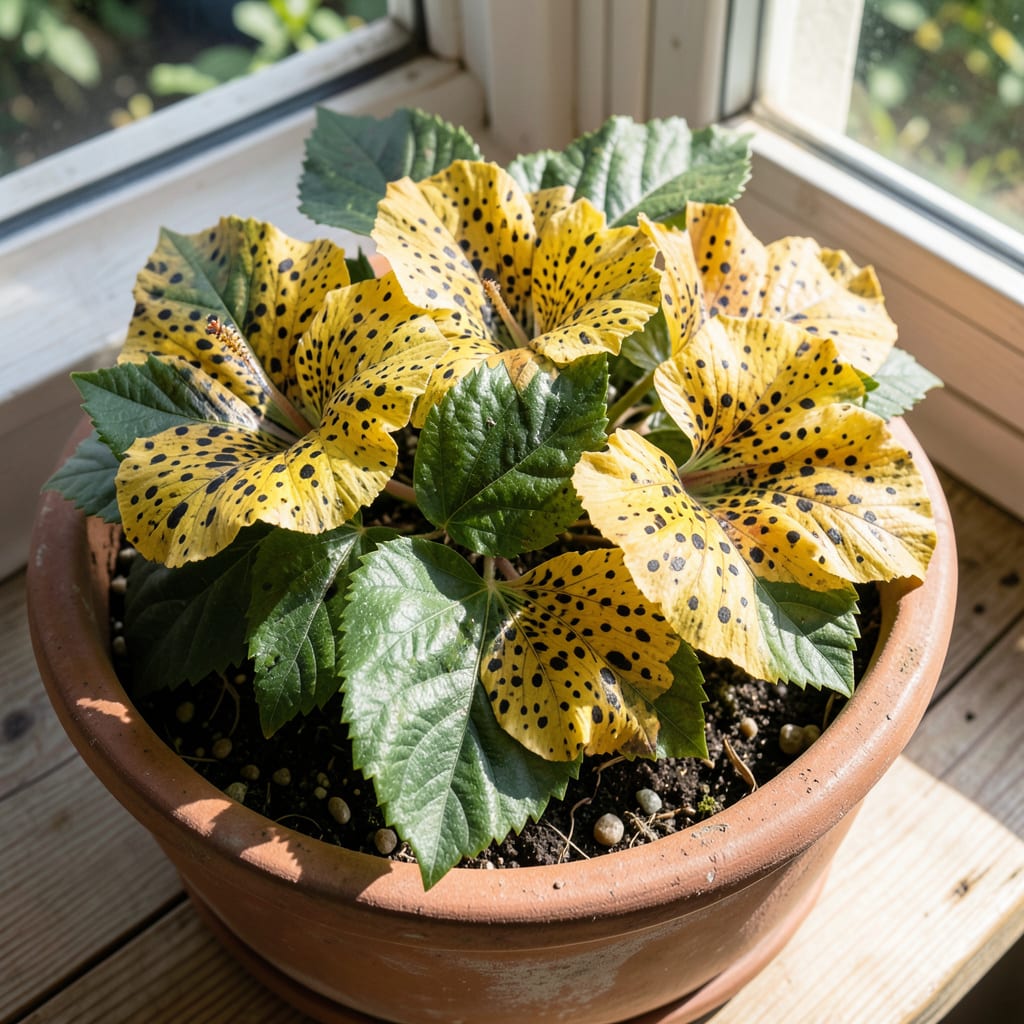
Yellow leaves with black spots on your hibiscus aren’t just unsightly—they’re a cry for help. I’ve seen this pattern wreck healthy plants in 48 hours if ignored, but the good news? It’s fixable with the right approach.
This usually signals fungal trouble, but pests or nutrient issues can mimic the same look. The key is diagnosing before treating. I once misread the signs and made things worse with the wrong remedy.
Organic solutions work best here. A simple copper fungicide or neem oil spray often stops the spread within a week. Prevention is easier than cure, though—proper spacing and airflow are your first defense.
Don’t panic. With quick action, your hibiscus can bounce back stronger than before.
Hibiscus leaves turning yellow with black spots are often a sign of underlying stress, disease, or environmental issues. Below are the most common causes, explained with actionable insights.
Fungal pathogens like Cercospora or Alternaria thrive in warm, humid conditions, causing circular black spots with yellow halos. These fungi spread via water splashes, so overhead watering or poor air circulation exacerbates the problem. Action: Remove infected leaves, improve airflow, and apply copper-based fungicides or neem oil preventatively.
Root rot from waterlogged soil restricts nutrient uptake, leading to chlorosis (yellowing) and necrotic (black) spots as tissues die. Hibiscus prefers moist but well-draining soil. Action: Check soil moisture before watering—let the top inch dry out. Repot in a mix with perlite or sand if drainage is poor.
Magnesium or potassium deficiencies manifest as yellowing leaves with dark spots. Magnesium deficiency often starts at leaf margins, while potassium deficiency causes scorched, blackened edges. Action: Test soil and amend with Epsom salt (magnesium sulfate) or a balanced fertilizer rich in potassium.
Sap-sucking pests like aphids, whiteflies, or spider mites weaken the plant, causing yellowing. Their honeydew residue also promotes sooty mold (black spots). Action: Inspect leaf undersides and stems. Blast pests off with water or use insecticidal soap.
Sudden temperature drops, excessive sunburn, or chemical drift (e.g., herbicides) can scorch leaves, creating blackened areas surrounded by yellow tissue. Action: Acclimate plants gradually to new conditions and shield them from harsh afternoon sun or wind.
When your hibiscus leaves start showing yellowing with black spots, act fast to save your plant. Below are targeted fixes for common causes, paired with prevention tips to keep your hibiscus thriving. 🌿
Fix: Remove infected leaves immediately and dispose of them in the trash (not compost). Spray the plant with neem oil or a baking soda solution (1 tsp baking soda, 1 quart water, ½ tsp dish soap) every 5–7 days until the spots disappear. Improve air circulation around the plant.
Prevention: Water at the base (not overhead) to keep leaves dry. Space plants properly and prune dense growth. 💡
Fix: Blast pests off with a strong stream of water. Apply insecticidal soap or horticultural oil to both sides of leaves, repeating every 3–4 days until pests are gone. For severe cases, introduce beneficial insects like ladybugs.
Prevention: Inspect leaves weekly for early signs. Keep the area clean and free of debris where pests hide. ✨
Fix: Check soil moisture: stick your finger 2 inches deep—if it’s soggy, hold off on watering; if dry, water deeply. For root rot, trim black/mushy roots and repot in fresh, well-draining soil. Adjust your schedule to water only when the top inch is dry.
Prevention: Use a pot with drainage holes and a saucer to catch excess. Mulch to retain moisture evenly. 🌡️
Fix: Test your soil (kits are inexpensive). For magnesium deficiency (interveinal yellowing), apply Epsom salt (1 tbsp per gallon of water) as a foliar spray. For general deficiencies, use a balanced, water-soluble fertilizer (10-10-10) every 2–4 weeks.
Prevention: Feed hibiscus lightly but regularly during the growing season. Avoid over-fertilizing, which can burn roots. 🎯
Consistency is key—monitor your plant after treatment and adjust care as needed. Healthy hibiscus leaves should bounce back in 2–4 weeks!
Yes, fungal infections like leaf spot can spread to nearby hibiscus or other susceptible plants. Isolate affected plants and avoid overhead watering to prevent spores from traveling.
With proper treatment, you should notice new healthy growth within 2-3 weeks. Existing damaged leaves won’t recover but will be replaced by fresh, spot-free foliage.
A baking soda solution (1 tsp per quart of water) or diluted neem oil works well against fungal issues. Repeat every 5-7 days until symptoms clear.
If symptoms worsen after 2 weeks of treatment, the issue may be systemic. Check roots for rot and consider repotting in fresh soil. Severe cases may require professional diagnosis.
