
Beautiful Plants For Your Interior
Beautiful Plants For Your Interior
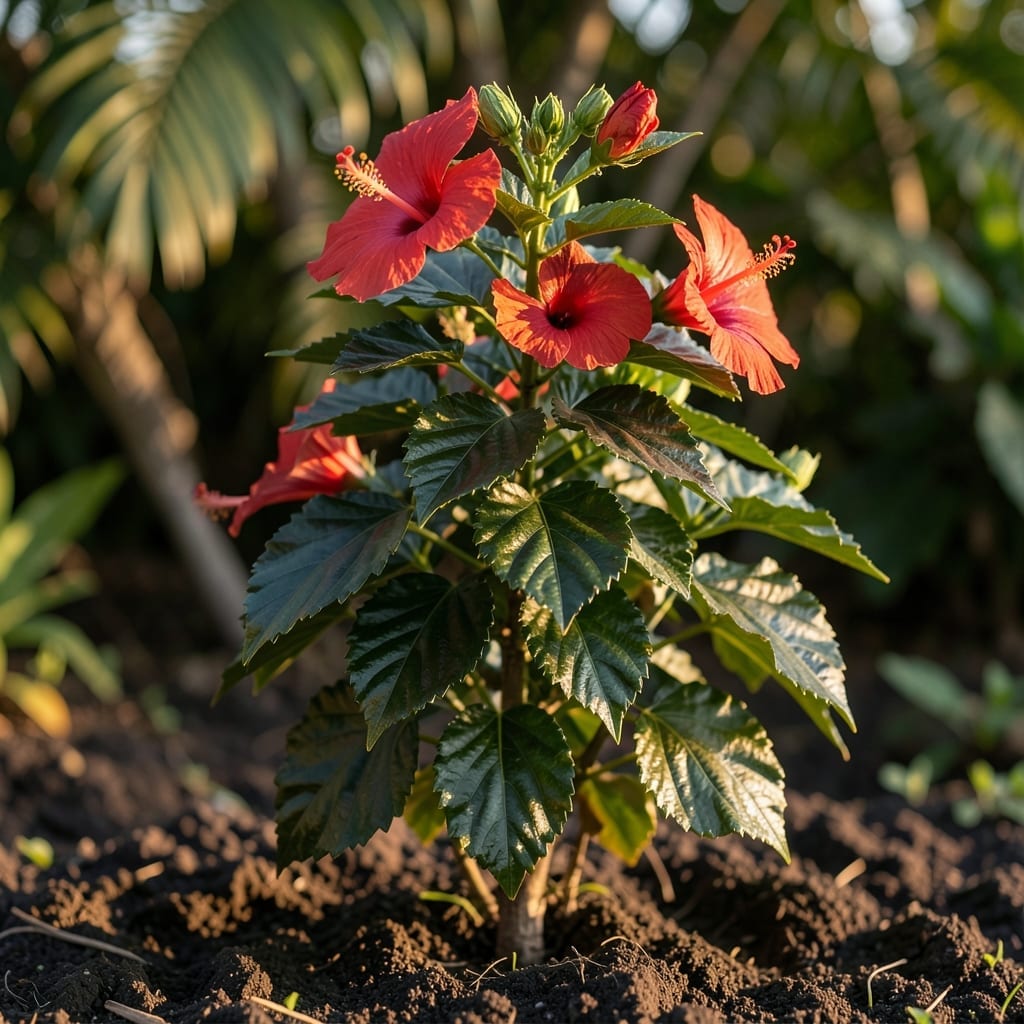
Nothing brightens a garden like the bold, tropical blooms of Hibiscus 🌺, but knowing when to expect them makes all the difference. Timing your care around their natural flowering cycle ensures a season filled with vibrant color.
I’ve learned that these stunning shrubs have a distinct season for showing off their beauty, and it’s not the same everywhere. From tropical climates to cooler zones like 6, the timing shifts in surprising ways.
Understanding what triggers those spectacular blooms means you can create the perfect conditions. Whether you’re in a warm region or a place with shorter growing seasons, there are ways to maximize your Hibiscus display.
Let me show you exactly when to expect those gorgeous flowers and how to keep them coming longer. The secrets might be easier than you think.
I love how hibiscus plants bring tropical flair to any garden. In most regions, you can expect vibrant blooms from late spring through early fall, with peak flowering in summer. Tropical hibiscus may bloom year-round in warm climates.
Hardiness zones play a major role in determining your hibiscus flowering season. In zones 9-11, plants often flower earlier and longer than in zones 5-8, where blooming starts later and ends with frost.
| Factor | Impact on Blooming |
|---|---|
| Hardiness Zone | Zones 9-11: Year-round or nearly; Zones 5-8: Spring to frost |
| Sunlight | 6+ hours daily for maximum blooms |
| Variety | Tropical: Longer season; Hardy: Shorter, summer-focused |
| Day Length | Longer days trigger more blooms |
In my experience, tropical hibiscus varieties like Hibiscus rosa-sinensis can produce flowers daily during peak season if conditions are right. Each blossom typically lasts just one day, but the plant produces many in succession.
Hardy hibiscus (Hibiscus moscheutos) has a shorter window, usually blooming from mid-summer to early fall. These are better suited for cooler climates and can handle brief cold snaps.
The amount of sunlight your hibiscus receives directly affects its flowering season. Plants in full sun (6+ hours) will bloom more abundantly and for a longer period than those in partial shade. I always recommend south-facing locations for maximum sun exposure.
Watering habits also influence blooming. Consistent moisture is key, but soggy soil can lead to root rot and reduced flowers. I find that deep watering 2-3 times weekly during dry spells keeps my hibiscus happy and blooming.
Temperature fluctuations can impact your hibiscus flowering season. Sudden cold snaps may cause bud drop, while extreme heat can stress the plant. In my garden, I use mulch to regulate soil temperature and protect roots.
For container-grown hibiscus, fertility is crucial. I use a balanced fertilizer (10-10-10) every 4-6 weeks during the growing season to support continuous blooming.
Finally, pruning at the right time can extend your hibiscus flowering season. I prune my plants in early spring before new growth starts, removing dead wood and shaping the plant. This encourages more blooms on new growth. ✂️
I’ve found that with a few simple tricks, you can coax your Hibiscus to bloom longer than its natural window. These tropical beauties thrive with consistent care, and timing is everything when it comes to extending their show.
The key lies in seasonal adjustments to your routine. From pruning schedules to fertilizer timing, small changes make a big difference in how long those vibrant blooms last.
In my experience, deadheading is the most underrated tip. Removing wilted blooms prevents seed formation, which signals the plant to keep producing more flowers to reproduce.
For potted Hibiscus, don’t forget to rotate the container weekly so all sides get equal sunlight. This prevents lopsided growth and ensures even blooming across the entire plant.
Mulching helps too—it maintains soil moisture and keeps roots cool during hot spells. I use a 2-3 inch layer of organic mulch, which also slowly feeds the soil as it breaks down.
Finally, watch for pest stress, especially from aphids or whiteflies, which can weaken plants and reduce flowering. A weekly spray of neem oil keeps most issues at bay without harsh chemicals. ☀️