
Beautiful Plants For Your Interior
Beautiful Plants For Your Interior
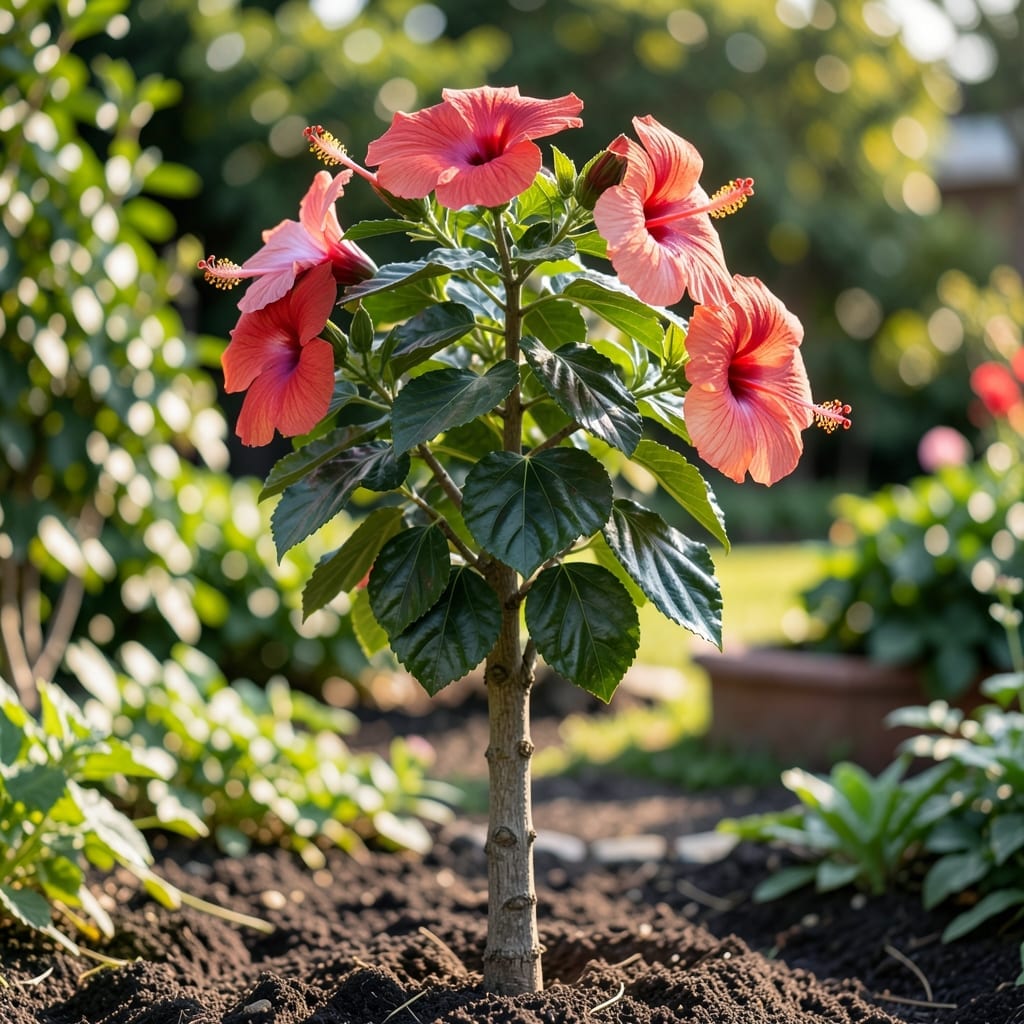
A full grown Hibiscus Tree 🌺 can turn your backyard into a vibrant oasis with its stunning, oversized blooms. But getting that picture-perfect display takes more than just planting it and walking away.
I’ve learned the hard way that even these resilient trees need the right care to thrive. From proper pruning to ideal growing conditions, every detail matters when you want those bold, colorful flowers to shine.
Let me share the essential tips to keep your Hibiscus Tree healthy and blooming all season long. You’ll be amazed at the difference a little know-how can make.
A full grown hibiscus tree can reach 8-15 feet tall, making it a stunning focal point in any garden. To keep it thriving, I focus on consistent care that matches its tropical nature. These trees love warmth and moisture but hate soggy roots.
In my experience, the key to vibrant blooms is getting the basics right: sunlight, water, and soil quality. Without these, even the hardiest hibiscus will struggle to produce those iconic, dinner-plate-sized flowers. 🌺
| Requirement | Specification |
|---|---|
| Sunlight | 6+ hours daily |
| Water Needs | Deep soak weekly |
| Soil Type | Well-draining, rich |
| USDA Zones | 5-11 |
I always start with soil preparation. Hibiscus trees prefer slightly acidic to neutral soil with a pH of 6.0-7.0. If your soil is heavy clay, amending it with compost or peat moss can dramatically improve drainage and root health.
For watering, I’ve found that a deep soak once a week works best in most climates. During summer heatwaves, I increase this to twice weekly, especially if the soil dries out quickly. Morning watering helps prevent fungal issues. 💧
The fertilizer routine is another game-changer. I use a balanced 10-10-10 fertilizer every 4-6 weeks during the growing season. In summer, I switch to a lighter feed to maintain blooms without overloading the plant.
Pruning is essential for shape and flower production. I prune my hibiscus in early spring, just before new growth starts. This encourages branching and more bloom sites. Always use clean, sharp tools to avoid damaging the plant. ✂️
Don’t overlook pest control. Aphids, whiteflies, and spider mites love hibiscus. I inspect the leaves regularly and use neem oil or insecticidal soap at the first sign of trouble. Catching pests early saves a lot of headaches.
In colder climates (Zones 5-7), I protect my hibiscus from frost by mulching heavily around the base. For potted trees, I move them indoors before the first frost. A little winter care ensures they bounce back stronger next spring. 🌡️
Finally, I’ve learned that consistency is key. Hibiscus trees respond well to regular care, so sticking to a schedule for watering, fertilizing, and pruning makes all the difference in achieving that lush, full-grown look. 🌿
Pruning a full grown hibiscus tree is essential for maintaining its shape and encouraging abundant blooms. I always start by removing any dead or diseased branches first, as these can drain the plant’s energy and spread issues. ✂️
Timing matters most with hibiscus. I prune mine in early spring, just before new growth begins. This gives the tree time to recover and produce new flowering branches during the growing season.
I focus on thinning out the center of the tree to allow light and air to reach all parts. This reduces the risk of fungal diseases and promotes healthier growth overall. Always make clean cuts at a 45-degree angle just above a leaf node.
For mature hibiscus trees, I avoid heavy pruning late in the season, as this can stimulate new growth that won’t have time to harden off before winter. In colder climates, I complete all pruning by early August to be safe. 🌡️
After pruning, I apply a light fertilizer to help the tree recover. A balanced 10-10-10 works well, but I avoid over-feeding, which can lead to excessive leafy growth at the expense of flowers.
Regular, light pruning throughout the growing season keeps my hibiscus looking tidy and encourages continuous blooming. I simply snip off spent blooms and any wayward branches to maintain the desired shape. 🌺