
Beautiful Plants For Your Interior
Beautiful Plants For Your Interior
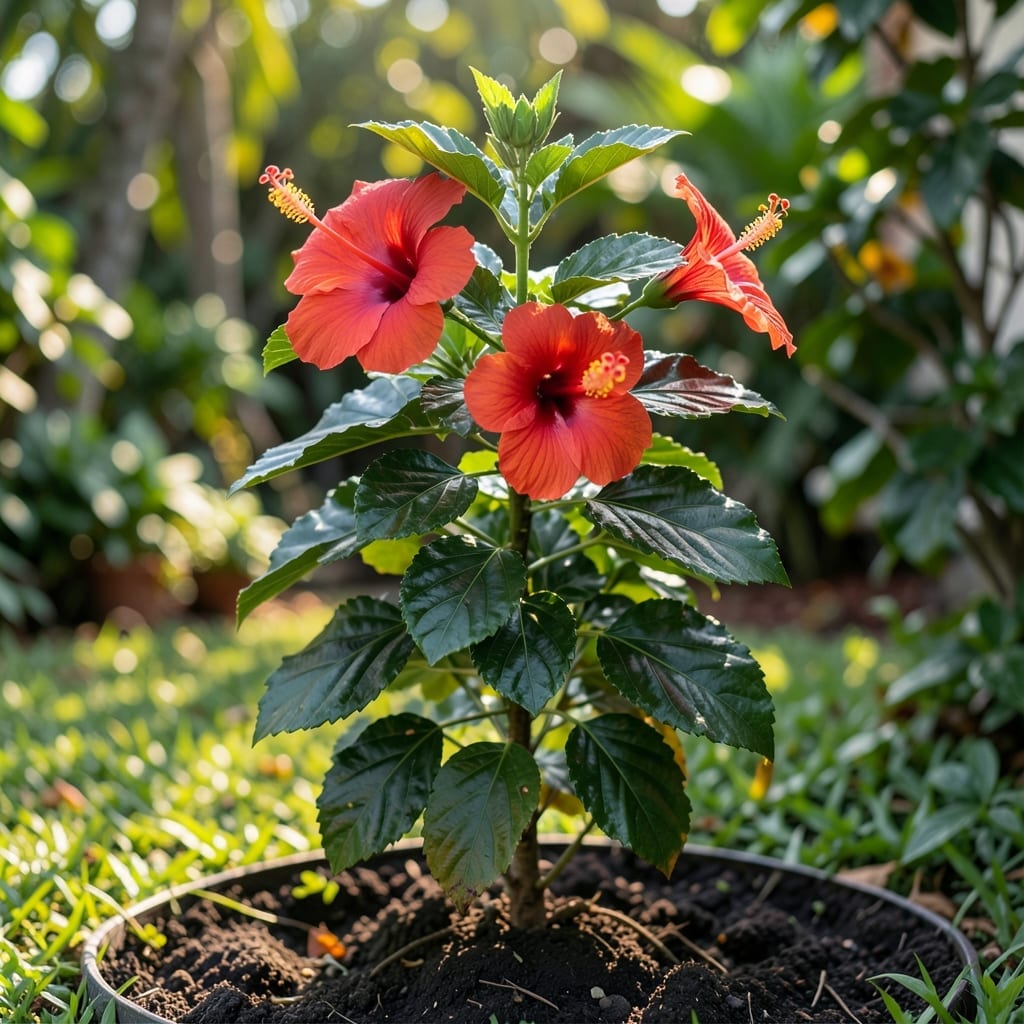
Yellowing or spotted leaves on your hibiscus aren’t just unsightly—they’re distress signals. I’ve nursed countless plants back from the brink by catching these early warnings.
Most issues stem from simple fixes: overwatering, poor drainage, or the wrong light. With consistent care and organic prevention, your hibiscus can bounce back with vibrant green foliage that makes the flowers shine even brighter.
📚 In This Guide
These organic practices will keep your plants thriving with vibrant foliage all season long.
Hibiscus leaves show stress immediately when watering is inconsistent. I water deeply at the base when the top 1-2 inches of soil feel dry to the touch, ensuring moisture reaches the root zone without wetting the foliage. Overhead watering invites fungal diseases that manifest as brown spots on leaves.
Use room-temperature water and apply in the early morning so leaves dry quickly in the sun. A soaker hose works perfectly for this. You’ll notice the difference within days—leaves that were drooping will perk up, and new growth will emerge with a deeper green color.
These tropical plants require 6-8 hours of direct sunlight daily for healthy leaf production. Insufficient light leads to pale, yellowing leaves and sparse growth. I position my hibiscus where it gets morning sun and afternoon shade in the hottest months to prevent leaf scorch.
If growing in containers, rotate the pot quarter-turn weekly for even growth. You’ll see the plant responding with symmetrical leaf development and vibrant color. Leggy growth with widely spaced leaves signals the need for more light immediately.
Prevent leaf diseases before they start with a monthly spray of 1 tablespoon baking soda and 1 teaspoon mild soap per gallon of water. This mixture changes the pH on leaf surfaces, making them inhospitable to fungal spores. Apply in the evening when leaves will stay dry overnight.
I also improve air circulation by spacing plants 3-4 feet apart and pruning dense growth. Good airflow allows leaves to dry quickly after rain or watering, which is the most effective organic defense against most foliar diseases.
Yellowing between veins often indicates iron deficiency, while brown edges suggest over-fertilization. I check my plants daily during the growing season, looking for these early warning signs. Catching issues early means simple corrections prevent major problems.
When I see the first yellow leaf, I apply a chelated iron supplement to the soil. For brown edges, I flush the soil with water to remove excess salts. The plant typically shows improvement within 7-10 days of addressing the issue.
In spring, I apply a balanced organic fertilizer as new growth emerges. During summer, I increase watering frequency but maintain the same deep-watering approach. As fall approaches, I reduce both water and fertilizer to prepare the plant for dormancy.
This seasonal rhythm keeps the hibiscus from becoming stressed, which is when most leaf problems appear. You’ll develop an intuition for your plant’s needs after one full growing season of following this schedule.
These practical insights will help you maintain vibrant, disease-free foliage with ease.
Watering Precision: The top 1-2 inches of dry soil rule is non-negotiable. I learned this the hard way after overwatering caused root rot in my first hibiscus. Use your finger to test—it’s more reliable than any moisture meter. Room-temperature water prevents shocking the roots, and morning application gives leaves time to dry in the sun, which is crucial for preventing fungal issues.
Light Exposure Strategy: Those 6-8 hours of direct sunlight aren’t just a suggestion. Insufficient light leads to weak, pale leaves that are more susceptible to disease. If your plant isn’t getting enough sun, don’t hesitate to move it. For container-grown hibiscus, that quarter-turn weekly ensures even growth and prevents lopsided development. Trust me, your plant will thank you with lush, symmetrical foliage.
Fungal Prevention Hack: The baking soda and mild soap spray in Step 3 is a game-changer, but timing matters. Apply it in the evening so leaves stay dry overnight. I also space my plants 3-4 feet apart—this isn’t just for aesthetics. Proper airflow is your best defense against fungal spores, which thrive in damp, crowded conditions. Prune dense growth regularly to keep air circulating freely.
Seasonal Adjustments: That seasonal care schedule in Step 5 isn’t just busywork. In spring, balanced organic fertilizer gives your hibiscus the nutrients it needs for new growth. Summer demands more frequent watering, but stick to deep watering at the base. As fall approaches, reducing water and fertilizer prepares the plant for dormancy, which prevents stress-related leaf problems. I’ve seen the difference this rhythm makes after just one growing season.
Yes! Hibiscus leaves contain natural compounds that can deter pests and boost plant immunity. They’re often used in organic sprays or compost to protect against fungal infections and insects.
Apply hibiscus leaf treatments early in the growing season or at the first sign of disease. Morning is ideal for spraying, as it allows leaves to dry before evening moisture sets in.
Neem leaves or garlic spray are great alternatives. They work similarly to hibiscus by repelling pests and fighting fungal issues without harsh chemicals.
Yellowing leaves often signal overwatering, nutrient deficiency, or pests. Check soil moisture, fertilize if needed, and inspect for bugs like aphids. Adjust care to restore health.