
Beautiful Plants For Your Interior
Beautiful Plants For Your Interior
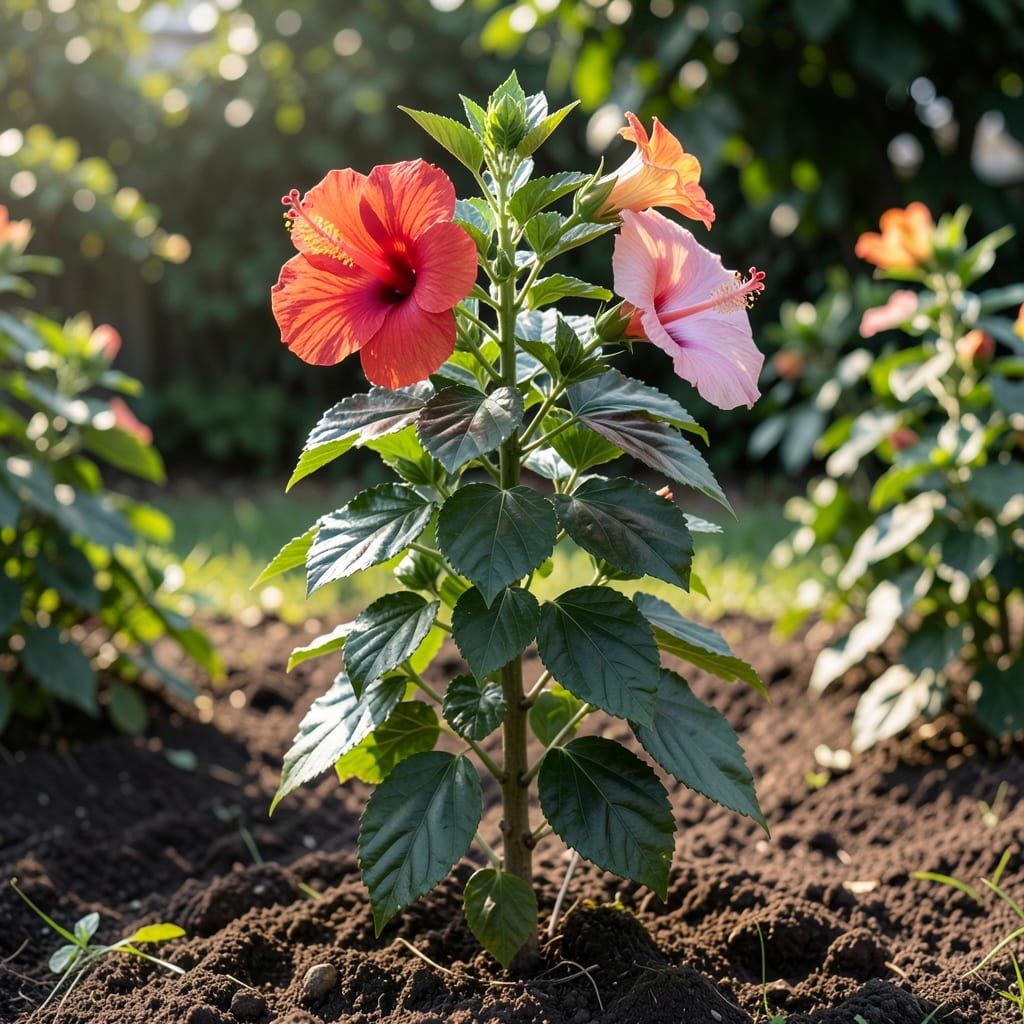
That moment when your hibiscus looks lifeless is heartbreaking. I’ve stared at enough brown sticks to know the panic—is it gone for good or just sleeping through winter?
Dormant hibiscus has dry, woody stems but firm roots beneath the soil. Dead plants have brittle stems that snap easily and roots that are soft or mushy to the touch.
Check the base of the plant for tiny green buds—those are your first clue it’s still alive. If you find them, patience and proper care will bring it back stronger next season.
If the roots are black or smell foul, it’s time to say goodbye and start fresh. Here’s how to tell the difference for sure.
Hibiscus plants can appear dead when they’re actually just dormant, or they may truly be declining due to environmental stress. Understanding the root causes helps you take the right action. Here are the most common reasons your hibiscus looks lifeless:
Hibiscus thrive in warm climates (60–90°F). Cold snaps below 50°F can trigger dormancy, while frost damages tissues, making the plant appear dead. In tropical species, sudden temperature drops halt growth, causing leaf drop and bare stems. If the roots remain firm, the plant may revive in spring.
Overwatering leads to root rot (often signaled by yellowing leaves and mushy stems), while underwatering causes crispy, brown foliage. Hibiscus need consistent moisture but hate soggy soil. Poor drainage exacerbates the problem, suffocating roots and preventing nutrient uptake.
Hibiscus require 6+ hours of direct sunlight daily. Insufficient light weakens the plant, leading to sparse foliage and no blooms. Over time, shaded hibiscus enter a slow decline, mimicking dormancy. Move potted plants to sunnier spots or prune nearby trees to restore vigor.
A lack of potassium (essential for flowering) or iron (causes yellow veins in leaves) can stunt growth. Sandy or poor-quality soil often lacks these nutrients. Use a balanced, acid-forming fertilizer (10-10-10 or 20-20-20) to correct deficiencies and support recovery.
Aphids, spider mites, or whiteflies sap plant juices, weakening hibiscus. Fungal infections (like leaf spot or powdery mildew) also stress the plant, leading to defoliation. Inspect leaves for pests or spots, and treat with neem oil or fungicides as needed.
If your hibiscus looks lifeless, don’t give up yet! Here’s how to diagnose and fix common issues, plus tips to keep it thriving.
Fix: Check the soil—if it’s bone-dry, water deeply until it drains from the bottom. If soggy, let it dry out and improve drainage by adding perlite or sand. Trim any black, mushy roots (root rot) with clean shears.
Prevention: Water when the top 1-2 inches of soil are dry. Use a well-draining pot and ensure saucers aren’t holding water. 💡 Pro tip: Stick your finger in the soil—it’s the best moisture meter!
Fix: Move your hibiscus to a spot with at least 6 hours of sunlight daily. If leaves are pale or yellow, feed it with a balanced fertilizer (10-10-10) or one high in potassium for blooms. Follow package instructions for dosage.
Prevention: Rotate the pot occasionally for even light exposure. Fertilize every 2-4 weeks during growing season (spring to fall), but ease off in winter.
Fix: If temperatures dropped below 50°F (10°C), move it indoors near a sunny window. For dormancy (common in winter), reduce watering and stop fertilizing until new growth appears.
Prevention: Bring potted hibiscus inside before the first frost. ✨ Pro tip: Use a grow light if natural light is scarce—hibiscus loves warmth!
Fix: Inspect leaves for aphids, spider mites, or whiteflies. Spray with neem oil or insecticidal soap, focusing on the undersides. For fungal issues (like powdery mildew), remove affected leaves and improve airflow.
Prevention: Keep the area clean, avoid overhead watering, and space plants for good circulation. 🎯 Pro tip: A weekly spray of diluted neem oil can deter pests before they strike.
Dormancy typically lasts 2-3 months in winter for tropical hibiscus. In colder climates, it may extend until consistent 60°F+ weather returns. Patience is key—avoid overwatering during this rest period.
Scratch the stem lightly with your fingernail. If you see green beneath the bark, it’s alive. If the stem is dry and brown inside, it may be dead. Check multiple stems for accuracy.
Avoid heavy pruning until you see new growth. Light trimming of dead branches is safe, but wait for spring to shape the plant. This prevents stressing it during recovery.
Trim blackened stems back to healthy wood. If roots are firm, it will often regrow from the base. Protect it from further cold and provide consistent moisture as it recovers.