
Beautiful Plants For Your Interior
Beautiful Plants For Your Interior
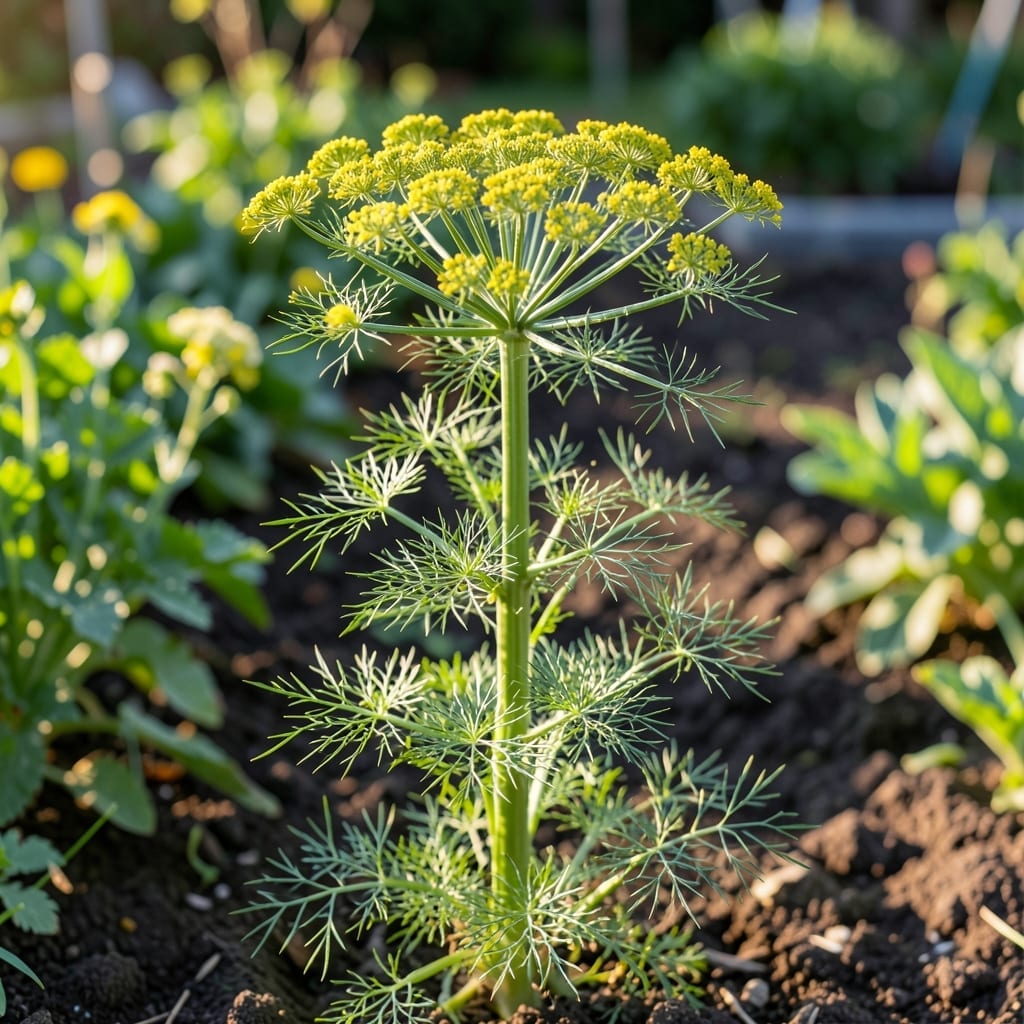
That tall, feathery herb in your garden might not be dill after all. I’ve misidentified more than one plant by its lacy leaves, and the confusion usually starts with how similar some herbs look at first glance.
The real giveaway is in the details: scent, leaf texture, and flower shape. Dill has a distinct aroma and yellow umbrella-like blooms, while its lookalikes often smell different or grow in unique patterns. Even the stems tell a story.
Once you know what to check, distinguishing them becomes foolproof. A quick sniff or a close look at the leaves can save you from accidentally using the wrong herb in your cooking—or worse, your garden care.
Works for beginner gardeners and seasoned growers alike. Here’s how to tell them apart for good.
Several factors contribute to herbs resembling dill, often leading to confusion in the garden. Below are the key reasons why this visual similarity occurs.
Many herbs in the Apiaceae family, such as dill, fennel, and caraway, share a close genetic relationship. This family is characterized by feathery, finely divided leaves, which naturally makes them look alike. These plants evolved similar leaf structures to maximize sunlight absorption and minimize water loss, a trait passed down through generations.
The pinnate (feather-like) leaf structure of dill is a common adaptation in herbs that grow in open, sunny environments. Other herbs, like anise or cilantro, developed similar leaf shapes to thrive in comparable conditions. This convergence in leaf design is purely functional, not coincidental.
Herbs that look like dill often share growth patterns, such as tall, slender stems with alternating leaf arrangements. This growth habit helps them compete for light in dense garden beds. For instance, wild carrot (Queen Anne’s lace) and parsley mimic dill’s structure, making identification tricky without closer inspection of flowers or seeds.
Struggling to distinguish that mystery herb from dill? Here’s a practical guide to solve the confusion and prevent mix-ups in the future.
Dill has fine, feathery leaves that are soft and thread-like. If your herb has broader, flatter leaf segments (like parsley or carrot greens), it’s not dill. Prevention tip: 💡 Label seedlings immediately after planting to avoid guesswork later.
Dill stems are hollow and smooth, while look-alikes like fennel or wild carrot have solid, grooved stems. Run your fingers along the stem to feel the difference. Prevention tip: ✨ Plant dill in a designated herb bed away from similar-looking plants.
Crush a leaf between your fingers—dill has a strong, citrusy aroma. If it smells more like parsley (mild and grassy) or licorice (fennel), you’ve got an imposter. Prevention tip: 🎯 Keep a small dill plant potted as a reference for quick scent comparisons.
Dill produces flat-topped yellow flower clusters (umbels). If your plant has white or pink flowers, it’s likely Queen Anne’s lace or another mimic. Prevention tip: 🌡️ Monitor plants closely as they mature—flowers are the most reliable identifier.
Still unsure? Pull up a suspected dill plant and check the roots—dill has a single, thin taproot, while wild carrot has a thick, white, edible root.
Fennel, caraway, and wild carrot are the top culprits. Even cilantro and parsley can fool beginners with their feathery leaves.
They belong to the same plant family (Apiaceae), sharing feathery leaves and tall stems as evolutionary traits. Nature’s design for efficiency!
Crush a leaf—dill smells citrusy. Fennel has a licorice scent, while parsley is mild. Scent never lies!
Most are edible (like fennel or parsley), but wild carrot can be risky if misidentified. Always confirm first!