
Beautiful Plants For Your Interior
Beautiful Plants For Your Interior
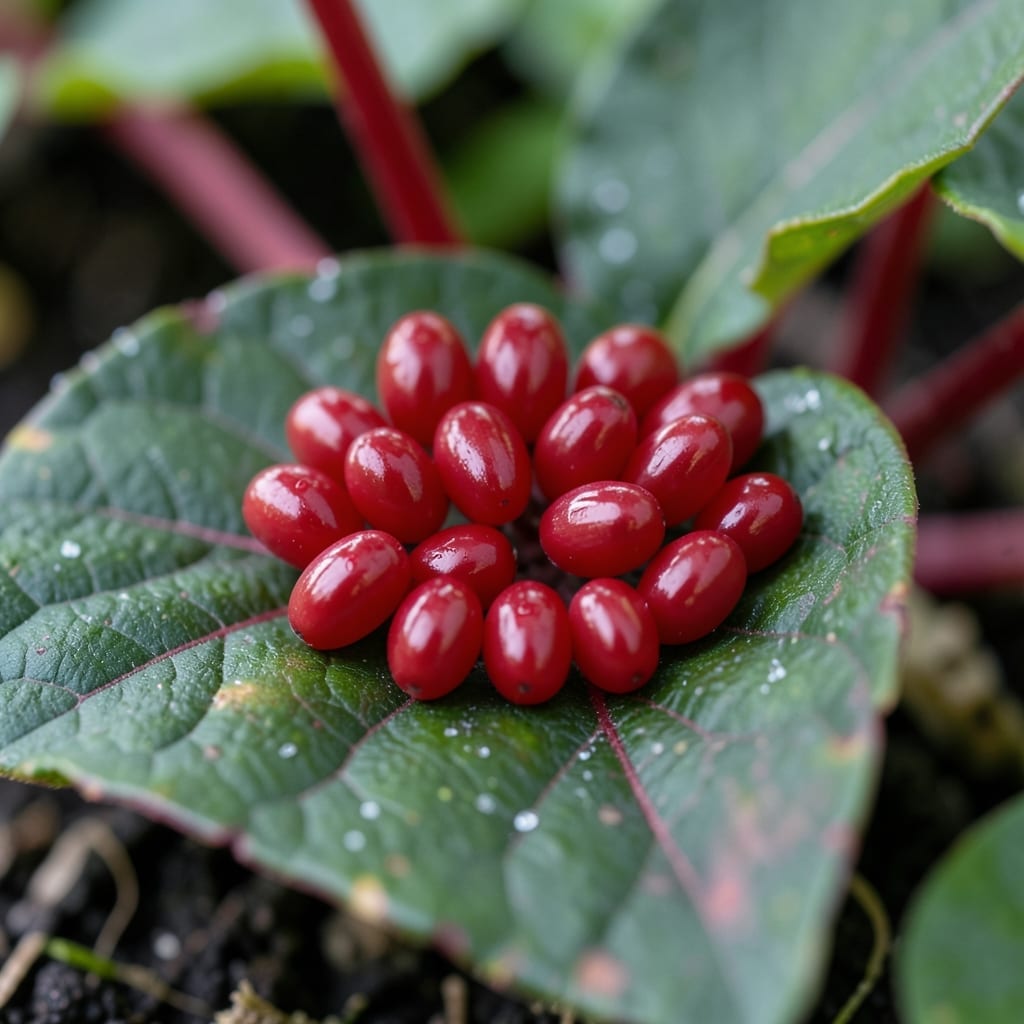
I first spotted harlequin beetle eggs last summer clinging to my squash leaves. Tiny, oval, and bright orange, they look like someone scattered miniature pumpkins across your plants.
These pests multiply fast, and their larvae can defoliate a plant in days. I learned the hard way that early removal is key—before they hatch and start munching.
You’ll find them in clusters of 20-30 on the undersides of leaves, protected from rain and predators. A daily scan with a flashlight catches them before they spread.
Hand-picking works, but for large infestations, a targeted spray with neem oil knocks them out without harming beneficial insects.
Understanding why harlequin beetle eggs show up in your garden is the first step to stopping them. These pests are drawn to specific conditions, and their reproductive cycles thrive under certain environmental triggers. Below are the primary reasons their eggs may be appearing in your vegetable patch.
Harlequin beetles prefer laying eggs on plants in the Brassicaceae family, such as cabbage, kale, and mustard greens. These plants release chemical cues that signal safety and abundant food for their larvae. If your garden is heavy on cruciferous vegetables, it’s a prime target. Actionable tip: Rotate crops or interplant with non-host species like beans or carrots to disrupt their lifecycle.
Egg-laying peaks in late spring to early summer when soil temperatures reach 60–75°F (15–24°C) and humidity is high. These conditions accelerate egg development and hatching. Monitor soil moisture—overwatering or poor drainage can create an inviting environment. Use drip irrigation to keep foliage dry and less appealing for egg deposition.
Adult harlequin beetles overwinter in garden debris or mulch. When temperatures rise, they emerge to feed and mate, laying eggs on the undersides of leaves. Prevent this by clearing plant residue after harvest and tilling the soil to expose hiding adults to predators or desiccation.
Dealing with harlequin beetle eggs in your garden can feel overwhelming, but these practical steps will help you regain control and protect your plants. Below are targeted solutions to address the issue, along with prevention tips to keep your garden thriving.
Inspect the undersides of leaves and stems daily for clusters of orange or yellow eggs. Use a soft cloth or cotton swab dipped in soapy water to gently wipe them off. Drop them into a sealed bag and dispose of them in the trash. Pro tip: 💡 Wear gloves to avoid skin irritation from plant sap or egg residue.
Encourage beneficial insects like ladybugs, lacewings, or parasitic wasps, which feed on beetle eggs. Plant nectar-rich flowers such as marigolds, dill, or alyssum to attract these allies. You can also purchase them from garden centers for a quick boost. Prevention tip: ✨ Avoid broad-spectrum pesticides, as they harm helpful insects too.
Apply neem oil or insecticidal soap to infested areas, focusing on the undersides of leaves where eggs are laid. Spray early in the morning or late evening to avoid harming pollinators. Reapply every 5–7 days or after rain. Pro tip: 🎯 Test a small area first to ensure your plants aren’t sensitive.
Harlequin beetles often target the same plant families year after year. Rotate crops annually to disrupt their life cycle. For example, avoid planting brassicas (like cabbage or kale) in the same spot consecutively. Prevention tip: 🌡️ Pair this with companion planting—try interleaving aromatic herbs like thyme or rosemary to deter pests.
By combining these methods, you’ll reduce current infestations and create a garden environment that’s less inviting to harlequin beetles in the future.
They appear as tiny, oval bright orange or yellow clusters on leaf undersides. Typically 1-2mm long, laid in groups of 20-30. Their vivid color makes them easier to spot against green foliage.
Eggs usually hatch within 5-10 days depending on temperature. Warmer conditions (75°F+) speed up development, while cooler weather may extend the timeline to 2 weeks.
Brassicas like cabbage, kale, and mustard greens are primary targets. Also check squash, beans, and other leafy vegetables. Adults prefer laying eggs where larvae will have immediate food sources.
Yes! Plant companion flowers like marigolds or alyssum to attract egg-eating predators. Remove garden debris in fall to eliminate overwintering sites. Crop rotation disrupts their lifecycle.