
Beautiful Plants For Your Interior
Beautiful Plants For Your Interior
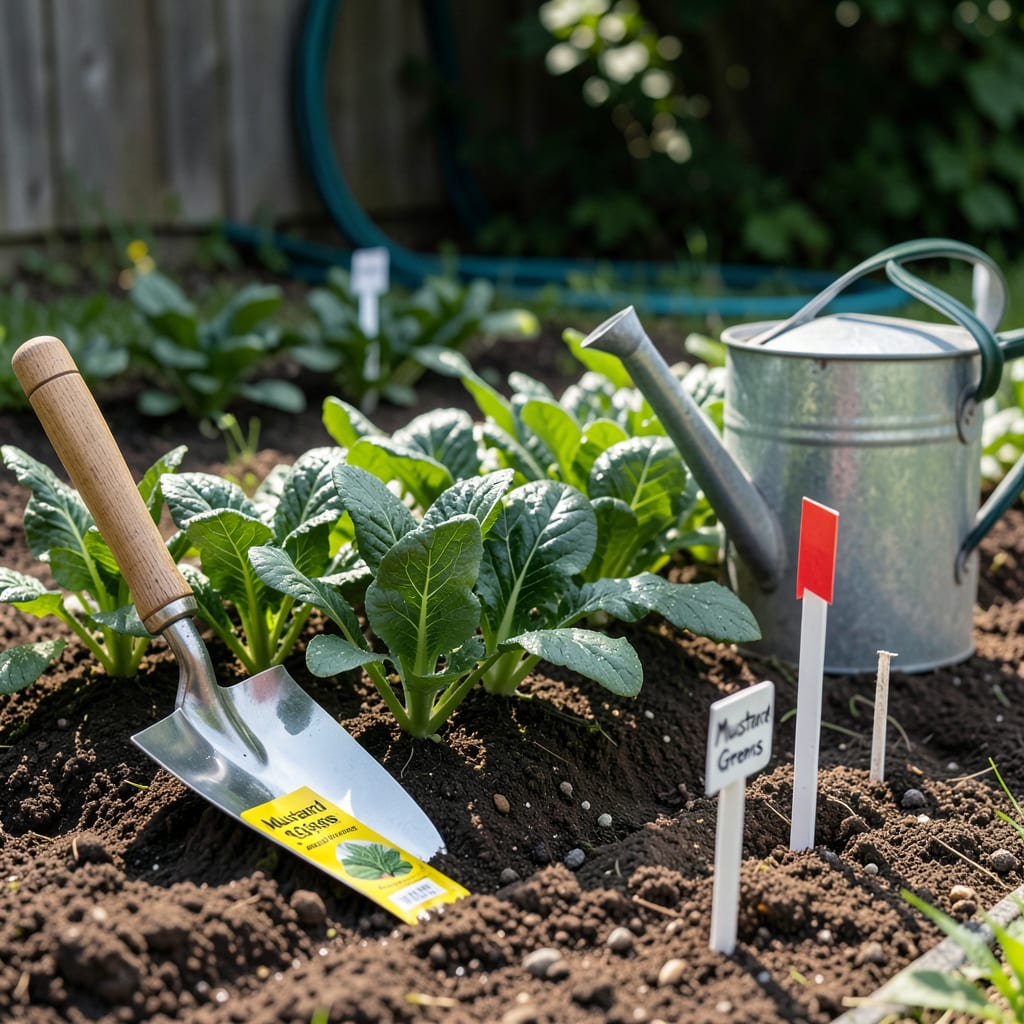
Timing can make or break your 🥬 Mustard Greens harvest in Zone 7—plant too late, and frost will wipe them out. Too early, and summer heat sends them bolting straight to seed before you get a single leaf.
I’ve tested both spring and fall windows here, and the difference is night and day. Whether you’re aiming for a fast spring harvest or a heartier fall crop, nailing those dates means juicier leaves and zero wasted effort. Let’s cut through the guesswork.
If you’re growing mustard greens in Zone 7, timing is your secret weapon. These fast-growing leafy greens thrive in cool weather, making fall the ideal season—but spring can work too if you beat the heat. I’ve found that soil temperature between 40–75°F is perfect for germination.
Zone 7 gardeners have two prime windows: late summer for fall harvests and early spring before summer heat arrives. The key is working around our last frost date (April 15) and first frost (November 1). Let me break down the exact timing for you.
For fall planting, I always aim to get seeds in the ground by mid-September at the latest. This gives plants enough time to mature before our first frost. Mustard greens tolerate light frost, but a hard freeze will end your harvest. I’ve had great success with varieties like ‘Southern Giant Curled’ in fall.
Spring planting is trickier because Zone 7 summers arrive fast. If you plant after April 1, the rising temperatures can cause bolting (premature flowering). To extend your spring harvest, try shade cloth or plant in partial shade to keep soil cooler.
Soil prep matters too! Mustard greens prefer well-draining soil with a pH of 6.0–7.5. I mix in compost before planting and ensure seeds are only ¼ inch deep. Spacing is critical—thin seedlings to 6 inches apart to prevent overcrowding and disease issues.
Want continuous harvests? Try succession planting every 2 weeks during your planting window. This works especially well in fall when temperatures are stable. Just remember: mustard greens grow fast—you’ll be harvesting in about 30 days!
Watch for flea beetles and aphids, common pests in Zone 7. I use row covers at planting to protect young seedlings. For soil-borne issues, crop rotation helps—avoid planting brassicas in the same spot year after year.
If you’re planting in containers, choose pots at least 12 inches deep and monitor moisture closely. Container-grown mustard greens dry out faster than in-ground plants, especially in our Zone 7 summers.
Pro tip: Soak seeds overnight before planting to speed germination. This is especially helpful for fall plantings when soil temperatures start cooling. And
Remember, mustard greens are cut-and-come-again crops. Harvest outer leaves first to keep plants producing. If you cut the whole plant, leave 1–2 inches of stem—it might regrow for a second harvest! 🌱
Getting a longer harvest from your mustard greens in Zone 7 is all about outsmarting our unpredictable weather. I’ve found that with a few simple tricks, you can stretch your growing season by weeks or even months. The secret? Working with our climate instead of against it.
Our Zone 7 growing season has two big challenges: early summer heat that causes bolting and late fall frosts that can kill tender plants. But don’t worry—I’ll show you exactly how I extend both my spring and fall harvests using affordable, easy techniques that any gardener can master.
For spring plantings, I always keep shade cloth handy. When our Zone 7 temperatures start climbing above 75°F, I drape it over my mustard greens. This simple step can delay bolting by 2-3 weeks, giving me extra harvest time. I’ve also had great success planting in east-facing beds that get morning sun but afternoon shade.
Fall is where you can really extend your harvest. I start using floating row covers when nighttime temperatures drop below 40°F. These lightweight covers trap heat while still allowing light and water through. For even more protection, I’ll add a cold frame over my row covers when hard frosts are forecasted. This combo has let me harvest mustard greens well into December some years!
Variety selection makes a huge difference too. I always choose bolt-resistant varieties like ‘Southern Giant Curled’ or ‘Tendergreen’ for my Zone 7 garden. These can handle temperature fluctuations better than standard varieties. For spring plantings, I’ll sometimes mix in slow-bolting varieties with my regular seeds to stagger the harvest window naturally.
Don’t overlook succession planting for continuous harvests. In fall, I’ll plant new seeds every 10-14 days from late August through mid-September. This ensures I have fresh greens coming in as I harvest the earlier plantings. The key is stopping new plantings about 6 weeks before our first frost (November 1) so they have time to mature.
Remember that mustard greens are cut-and-come-again crops. Instead of pulling whole plants, I harvest outer leaves first. This encourages new growth and can double your harvest time. If a plant does start to bolt, I’ll often let it flower for the bees and then collect seeds for next year—turning a problem into an opportunity! 🌱
Even experienced gardeners can mess up their mustard greens if they’re not careful. In Zone 7, I’ve seen (and made!) plenty of mistakes that turn what should be an easy crop into a disappointing flop. The good news? Most issues are completely preventable with the right know-how.
One of the biggest errors I see is planting too deep. Mustard green seeds need light to germinate, so they should only be covered with ¼ inch of soil. Plant them deeper, and you’ll either get no sprouts or weak seedlings that struggle to break through the soil surface.
Another common mistake is overcrowding seedlings. I know it’s tempting to let all those little sprouts grow, but mustard greens need 6 inches of space between plants. Crowded plants compete for nutrients, leading to smaller leaves and increased risk of diseases like downy mildew.
Soil preparation often gets overlooked too. Mustard greens prefer well-draining soil with a pH between 6.0-6.8. If your soil is too acidic or compacted, you’ll get weak growth and poor flavor. I always test my soil before planting and amend with compost if needed.
Watering mistakes can ruin your crop faster than anything. Mustard greens need consistent moisture—about 1 inch per week. Let the soil dry out, and you’ll get bitter leaves and premature bolting. But don’t overwater either, as soggy soil leads to root rot. I water in the early morning to give plants time to dry before evening.
Timing errors are especially costly in Zone 7. Plant too late in fall, and your greens won’t mature before frost. Plant too early in spring, and summer heat will make them bolt before you get a good harvest. Always count backward from our first frost (November 1) for fall planting and forward from our last frost (April 15) for spring planting. 🌱
Not quite! While Zone 7 has mild winters, mustard greens struggle in summer heat and hard freezes. Stick to spring (March-April) and fall (August-September) for best results. Winter growth is possible with cold frames or row covers during mild spells.
Bolting happens when temperatures climb above 75°F. Plant early (by April 1) and use 30-50% shade cloth when heat arrives. Choose bolt-resistant varieties like ‘Southern Giant Curled’ and keep soil consistently moist. Morning sun with afternoon shade works best.
Count backward 6 weeks from your first frost date (November 1 in Zone 7). That means sowing by mid-September at the latest. For insurance, plant by September 1—this gives plants time to mature before cold weather slows growth.
They thrive with 6+ hours of sun daily, but tolerate partial shade—especially in spring when afternoon shade prevents bolting. In fall, maximize sun exposure to speed growth before frost. East-facing beds often work best for spring plantings.
Once flowering begins, leaves turn bitter and tough. Harvest before bolts appear for best flavor. If plants bolt, pull them and replant—mustard greens grow so fast (30-40 days) that succession planting works better than salvaging bolted plants.
