
Beautiful Plants For Your Interior
Beautiful Plants For Your Interior
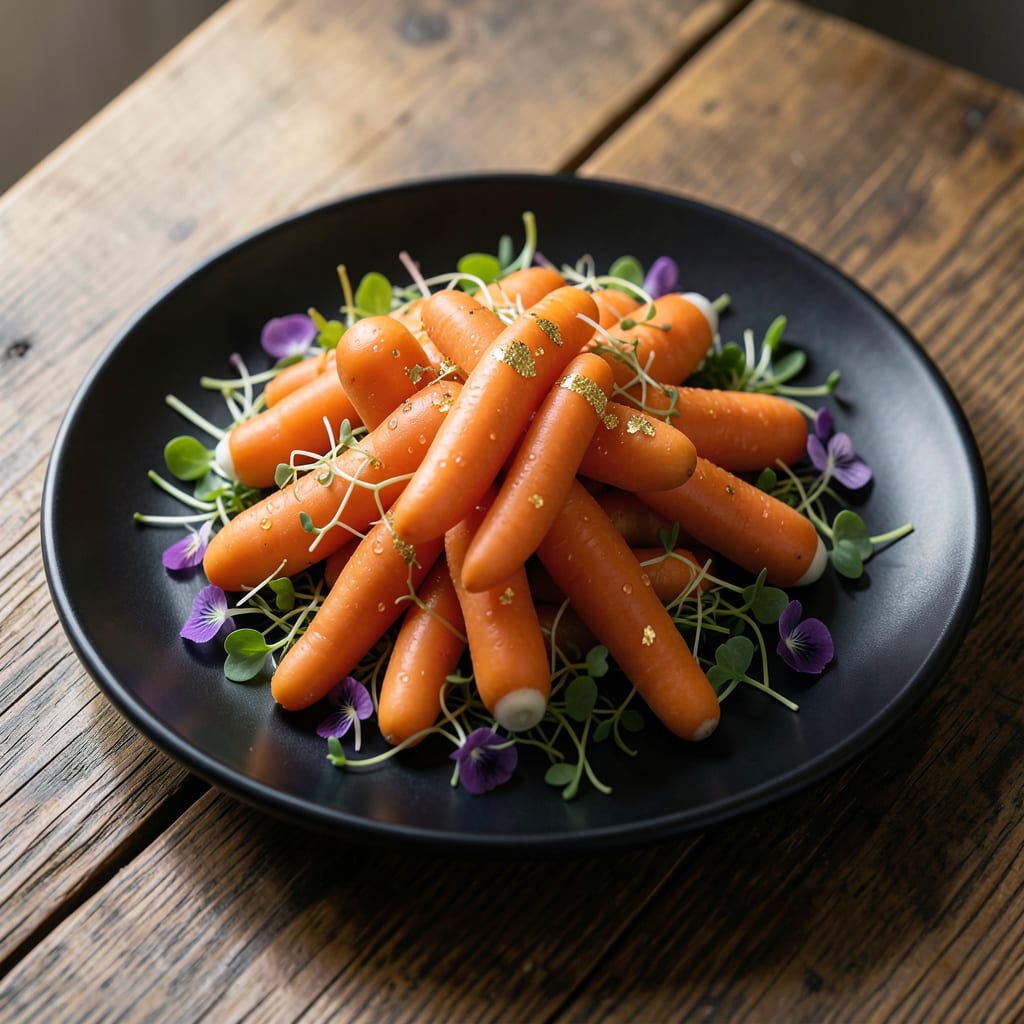
I first spotted them in my raised beds last spring—bright orange, carrot-shaped growths poking through the mulch. Turns out, this isn’t a plant at all but a fungus called Xylaria that thrives on decaying wood.
It’s harmless to garden plants but looks alarming. The “roots” are actually the fungus feeding on buried wood or old stumps. I’ve seen it more often after wet seasons when organic matter breaks down slowly.
Removal is simple: dig it up, wood and all. Prevention means clearing old wood from beds before planting. The good news? It won’t spread to your vegetables or flowers.
Check your soil for buried wood if you’re seeing these. They’re nature’s way of saying your beds need a little cleanup.
The bright orange, carrot-like growths you spot in your garden or forest are often Xylaria species, particularly Xylaria hypoxylon or Xylaria polymorpha. These fungi develop their distinctive shape and color due to a mix of biological and environmental factors. Here’s why it happens:
Xylaria fungi naturally produce stromata—dense, compact structures that house their reproductive spores. The species’ genetic coding dictates the stromata’s elongated, tapered shape, which resembles a carrot. This morphology aids in spore dispersal, as the upright form exposes spores to wind and passing animals.
These fungi thrive on rotting hardwood, such as fallen logs or buried stumps. As the wood decomposes, it releases nutrients and moisture that Xylaria absorbs. The fungus colonizes the wood, breaking it down with enzymes, and the stromata emerge from the surface, often pushing through soil to mimic the look of a carrot sticking out of the ground.
High humidity and consistent moisture levels trigger the growth of these fungi. After heavy rains or in damp, shaded areas, Xylaria spores germinate more readily. The combination of moisture and organic matter creates the perfect conditions for the stromata to develop their vibrant orange hue and distinctive shape.
Cooler temperatures, typically in fall or early spring, encourage the formation of stromata. The fungus responds to seasonal shifts by producing these structures to release spores before harsh winter conditions or dry summer months. The timing aligns with when decaying wood retains enough moisture to support growth.
If you’ve spotted a carrot-like fungus in your garden or yard, don’t panic—removal is straightforward with the right approach. Below are targeted solutions for common causes, along with prevention tips to keep it from coming back.
Fungi thrive in damp conditions. To fix this, aerate the soil with a garden fork or till, and mix in coarse sand or compost to boost drainage. For potted plants, ensure containers have drainage holes. Pro tip: 💡 Water only when the top inch of soil feels dry.
Decaying leaves, wood, or plant matter can harbor fungal growth. Remove all debris from the area and dispose of it in a sealed bag (not compost). Sanitize tools with a 10% bleach solution to avoid spreading spores. Prevention: ✨ Rake fallen leaves regularly and keep mulch thin.
Dense foliage traps moisture, creating a fungal paradise. Trim back overgrown plants to improve airflow, and space new plantings according to their mature size. Bonus: 🎯 Stake tall plants to keep them upright and dry.
Water early in the morning so excess moisture evaporates during the day. Avoid overhead watering—use a drip irrigation system or water at the base of plants. Pro tip: 🌡️ Group humidity-loving plants together to isolate the issue.
After removal, monitor the area for regrowth. If the fungus persists, consider a natural fungicide like neem oil or baking soda spray (1 tsp baking soda + 1 quart water + a drop of dish soap). Always test on a small area first!
No, it’s typically harmless to live plants. It feeds on decaying wood, not living roots or foliage. Your vegetables and flowers are safe, but remove it to keep your garden tidy.
It’s most common in fall or early spring when moisture levels are high and temperatures are cool. These conditions encourage the fungus to produce its distinctive carrot-like stromata.
Avoid composting it. The spores can survive and spread to other areas. Instead, dispose of the wood and fungus in a sealed bag to prevent regrowth elsewhere.
