
Beautiful Plants For Your Interior
Beautiful Plants For Your Interior
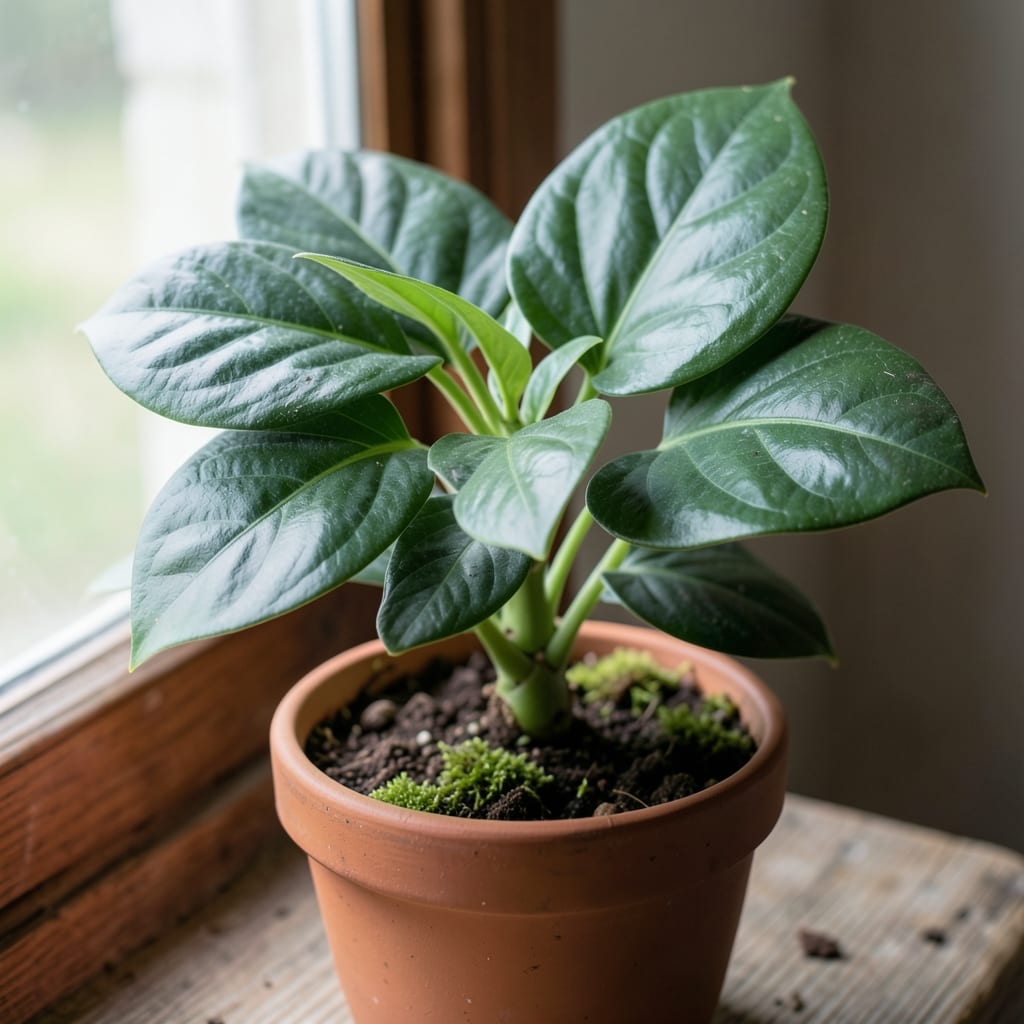
Green patches in your soil aren’t always bad news. I’ve seen this in my own pots—sometimes it’s moss, sometimes mold, and occasionally just algae doing its thing.
First step is figuring out which green guest you’ve got. Moss loves damp, shady spots while mold thrives in warm, moist conditions. Algae usually shows up when water sits too long on the surface.
Between you and me, I’ve killed more plants with kindness (overwatering) than neglect. The fix is usually simpler than you think: adjust watering, improve drainage, or let in more light.
Your plants will thank you with healthier growth and soil that stays in better shape. Here’s how to tackle it for good.
Green growth in plant soil is usually a sign of algae or mold, both of which thrive under specific conditions. Here’s why it happens:
Overwatering is the #1 culprit. Algae and mold spores, naturally present in soil, stay dormant until excess moisture activates them. Poor drainage or saucers left filled with water create a damp environment where these organisms multiply rapidly. Actionable fix: Let the top 1-2 inches of soil dry out between waterings.
Low light slows evaporation, keeping soil damp longer. Shady spots or indoor plants far from windows encourage green growth. Actionable fix: Move plants to brighter areas or use grow lights to dry the soil surface faster.
Decomposing leaves, wood chips, or compost on soil surfaces provide a food source for algae and mold. This is common in potted plants with mulch or unsterilized garden soil. Actionable fix: Remove debris and replace the topsoil layer if heavily infested.
Terrariums, greenhouses, or humid climates trap moisture in the air, promoting green growth. Poor airflow worsens the issue. Actionable fix: Improve ventilation with a small fan or space plants apart.
Dealing with green mold or algae in your plant soil? Here’s how to tackle each cause with simple, actionable fixes—and prevent it from coming back.
If soggy soil is the culprit, stop watering immediately and let the top 1-2 inches dry out. Repot the plant in fresh, well-draining soil if the roots are waterlogged. Use pots with drainage holes and a moisture meter to avoid guesswork. Prevention tip: 💡 Water only when the soil feels dry to the touch—most plants prefer this!
Switch to a coarse potting mix with perlite, sand, or orchid bark to improve airflow. Add a layer of gravel or clay pebbles at the bottom of the pot. If your container lacks drainage holes, drill some or switch to one that does. Prevention tip: 🎯 Always choose pots with holes—even decorative cache pots should be paired with a functional inner pot.
Algae thrives in dim, humid spots. Relocate your plant to a brighter area with indirect sunlight. For indoor gardens, consider a grow light if natural light is scarce. Prevention tip: ✨ Rotate your plants weekly to ensure even light exposure.
Gently aerate the soil with a fork or chopstick to improve oxygen flow. For severe compaction, repot the plant and mix in organic matter like compost or coco coir. Prevention tip: 🌱 Top-dress with a thin layer of sand or perlite to keep soil loose long-term.
Remove all affected soil and sterilize the pot with a 1:10 bleach-water solution (rinse well!). Use fresh, high-quality potting mix and avoid garden soil, which often harbors spores. Prevention tip: 🔥 Store unused soil in a sealed container to keep it dry and contaminant-free.
Generally, no. While small amounts may not harm plants immediately, green mold or algae can compete for nutrients and indicate poor soil health. Remove it promptly to prevent spreading.
Moss appears fuzzy and stays green, while mold is often slimy and may turn black or white. Moss prefers shade, while mold thrives in damp, warm conditions with poor airflow.
Not always. Repotting helps if the issue is contaminated soil, but you must also address the root cause—like overwatering or poor drainage—to prevent recurrence.
Yes! A 1:10 vinegar-water solution can treat mild cases. Sprinkle cinnamon (a natural fungicide) on the soil surface for prevention. Avoid harsh chemicals.