
Beautiful Plants For Your Interior
Beautiful Plants For Your Interior
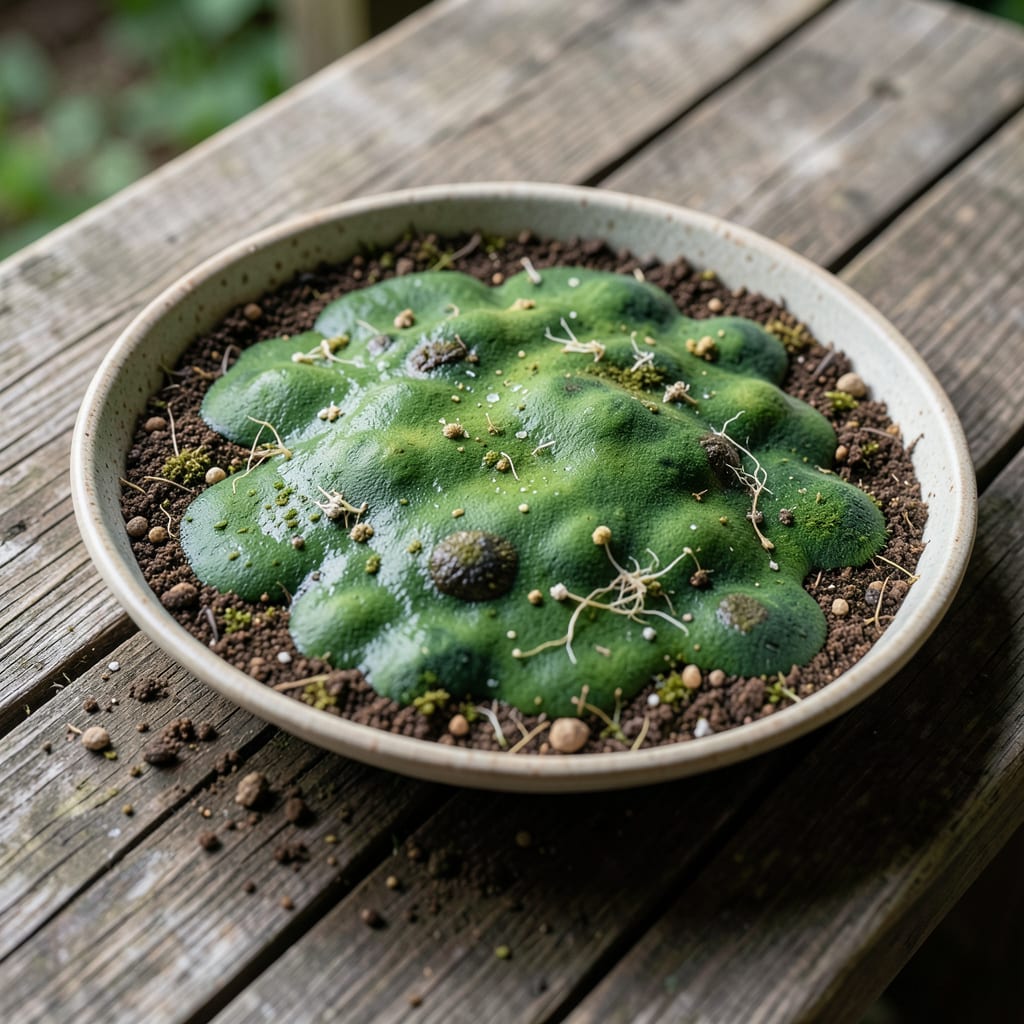
I spotted that first fuzzy green patch on my potting soil last spring. It spreads fast—overnight it can turn your carefully planned garden into a science experiment gone wrong.
Here’s the thing—it’s not just ugly, it’s a sign your soil’s too wet or packed with decaying matter. Left alone, it’ll steal nutrients from your plants and can even spread to healthy roots.
Removing it safely means acting fast and thoroughly. You’ll need to isolate the affected area, scrape off the mold, and treat the soil. The good news? It’s fixable with household items.
Prevention is simpler: better drainage, less water, and occasional sunlight do wonders. No more surprise green patches ruining your garden beds.
Green mold on soil isn’t just unsightly—it’s a sign of underlying conditions that favor fungal growth. Understanding the causes helps you address the root of the problem and prevent recurrence. Below are the most common triggers, explained with actionable insights.
Mold thrives in damp environments. Overwatering, poor drainage, or high humidity creates the perfect breeding ground for spores. Green mold species like Penicillium or Aspergillus often appear when soil stays wet for prolonged periods. To fix this, ensure pots have drainage holes and water only when the top inch of soil is dry.
Decomposing leaves, wood chips, or unturned compost release nutrients that feed mold. If organic matter sits on the soil surface, it traps moisture and blocks airflow. Regularly remove fallen debris and mix compost into the soil to speed up decomposition and reduce mold-friendly conditions.
Stagnant air prevents soil from drying out, especially in indoor potted plants or densely planted garden beds. Green mold spreads rapidly in still, humid air. Improve ventilation by spacing plants apart, using a small fan for indoor setups, or gently stirring the topsoil to disrupt mold growth.
Shady or dimly lit areas slow evaporation, keeping soil moist longer. While mold can grow in any light, green varieties often dominate in low-light environments where competing plants struggle. Rotate houseplants to sunnier spots or trim overhead foliage to allow more light penetration.
Dealing with green mold on soil is manageable with the right approach. Below are targeted solutions based on the most common causes, along with prevention tips to keep your dirt mold-free.
Excess moisture is a primary culprit. Fix: Reduce watering frequency and ensure pots or garden beds have proper drainage. Let the top inch of soil dry out between waterings. Use a moisture meter to monitor levels if unsure.
Prevention Tip: 💡 Water early in the day to allow excess moisture to evaporate.
Stagnant air traps humidity, encouraging mold growth. Fix: Space out plants to allow airflow, and use a small fan indoors to circulate air. For outdoor gardens, thin dense foliage to promote better air movement.
Prevention Tip: ✨ Prune plants regularly to avoid overcrowding.
Decaying leaves or mulch can harbor mold spores. Fix: Remove visible debris from the soil surface and replace old mulch with fresh, dry material. For potted plants, repot with clean soil if the infestation is severe.
Prevention Tip: 🎯 Keep garden beds and pots free of fallen leaves and plant waste.
Shady, damp areas are mold magnets. Fix: Move potted plants to sunnier spots or trim nearby shrubs to let light reach the soil. For indoor plants, use grow lights to supplement natural light.
Prevention Tip: 🌡️ Rotate plants occasionally to ensure even light distribution.
For active mold, sprinkle baking soda or cinnamon (natural antifungals) on the soil. A diluted vinegar solution (1 part vinegar to 3 parts water) can also work—spray lightly and let dry. Avoid harsh chemicals, as they can harm plants and soil health.
Prevention Tip: 🔥 Reapply natural treatments every 2–3 weeks in humid climates.
Most green molds are harmless but avoid contact to prevent skin irritation or allergic reactions. Always wear gloves when handling affected soil.
Yes, if you treat it properly. Remove visible mold, dry the soil completely, and mix in 1 tablespoon of baking soda per 1 gallon of soil before reuse.
It can spread within 24-48 hours in damp, warm conditions. Act fast—isolate affected areas and improve airflow to slow its growth.
Direct sunlight helps dry soil and slows growth but won’t eliminate existing mold. Combine sunlight with proper drainage and natural treatments for best results.
