
Beautiful Plants For Your Interior
Beautiful Plants For Your Interior
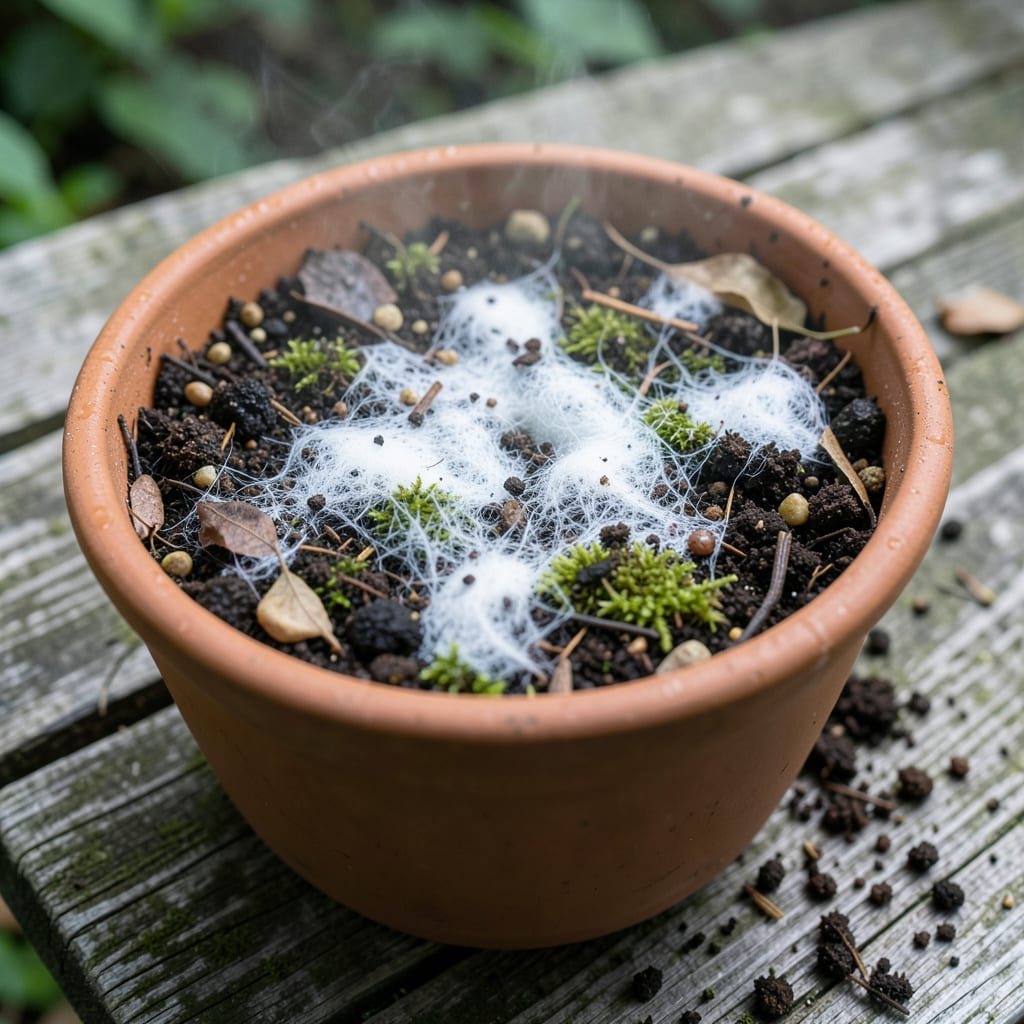
Spotting white mold in your soil is alarming but fixable. I’ve dealt with this fuzzy invader more times than I’d like to admit, and the key is acting fast before it spreads to your plants.
This isn’t just an eyesore—it signals too much moisture, poor airflow, or decaying organic matter. The good news? Natural solutions like cinnamon, baking soda, or improved drainage can turn things around without harsh chemicals.
You’ll see results within a week if you adjust watering habits and let the soil breathe. Healthy plants start with healthy soil, and this is your first step to restoring balance.
Works for raised beds, containers, or in-ground gardens. Here’s how to tackle it head-on.
White mold in garden soil often stems from a combination of environmental and biological factors. Below are the primary causes, explained scientifically for clarity and actionability.
Overwatering or poor drainage creates a damp environment where Sclerotinia and other mold-causing fungi thrive. These organisms require high humidity (above 80%) and saturated soil to germinate and spread. Action: Improve drainage by amending soil with compost or sand, and water only when the top inch of soil is dry.
White mold flourishes in cooler soil temperatures (50–60°F / 10–15°C), which slow down decomposition and allow fungal spores to take hold. Action: Use black plastic mulch to warm the soil or plant heat-tolerant varieties early in the season.
Undecayed plant matter (like fallen leaves or crop residues) provides food for mold spores. Action: Remove garden debris promptly and practice crop rotation to disrupt fungal life cycles.
Poor air circulation traps moisture around foliage and soil, accelerating mold growth. Action: Thin seedlings and space plants according to recommended guidelines for better airflow.
Soils with excess nitrogen or low calcium levels weaken plant defenses, making them more susceptible to fungal infections. Action: Test soil pH and amend with lime or balanced organic fertilizers to restore equilibrium.
Tackling white mold in your garden soil starts with identifying the root cause and applying the right fix. Here’s a practical, step-by-step guide to restore your soil’s health.
White mold thrives in soggy conditions. Stop watering immediately and let the soil dry out. For long-term prevention:
💡 Pro tip: Stick your finger 2 inches into the soil—if it’s damp, hold off on watering.
Decaying leaves or mulch can harbor mold. Rake up any visible organic debris and dispose of it far from your garden. Replace with fresh, disease-free compost or mulch. To prevent recurrence:
Stagnant air traps moisture. Thin out dense plantings to allow airflow. For potted plants, space them apart and avoid overcrowding. Prevention tips:
Mold can signal poor soil health. Test your soil (kits are available at garden centers) and amend as needed:
✨ Pro tip: Rotate crops annually to prevent soil depletion and mold buildup.
No, wait until the soil is treated. Planting now risks spreading the fungus to new growth. Remove visible mold first, then amend the soil with compost or antifungal treatments like cinnamon.
Yes, a 1:4 vinegar-to-water solution can kill surface mold. Apply sparingly to avoid harming beneficial microbes. Repeat every 3-4 days until the mold disappears.
Yes, if left untreated. Fungal spores travel through water, wind, or garden tools. Isolate affected areas, clean tools with bleach, and improve airflow to contain it.
With proper treatment, you’ll see improvement in 1-2 weeks. Full recovery depends on severity and consistency in adjusting watering, drainage, and debris removal.
