
Beautiful Plants For Your Interior
Beautiful Plants For Your Interior
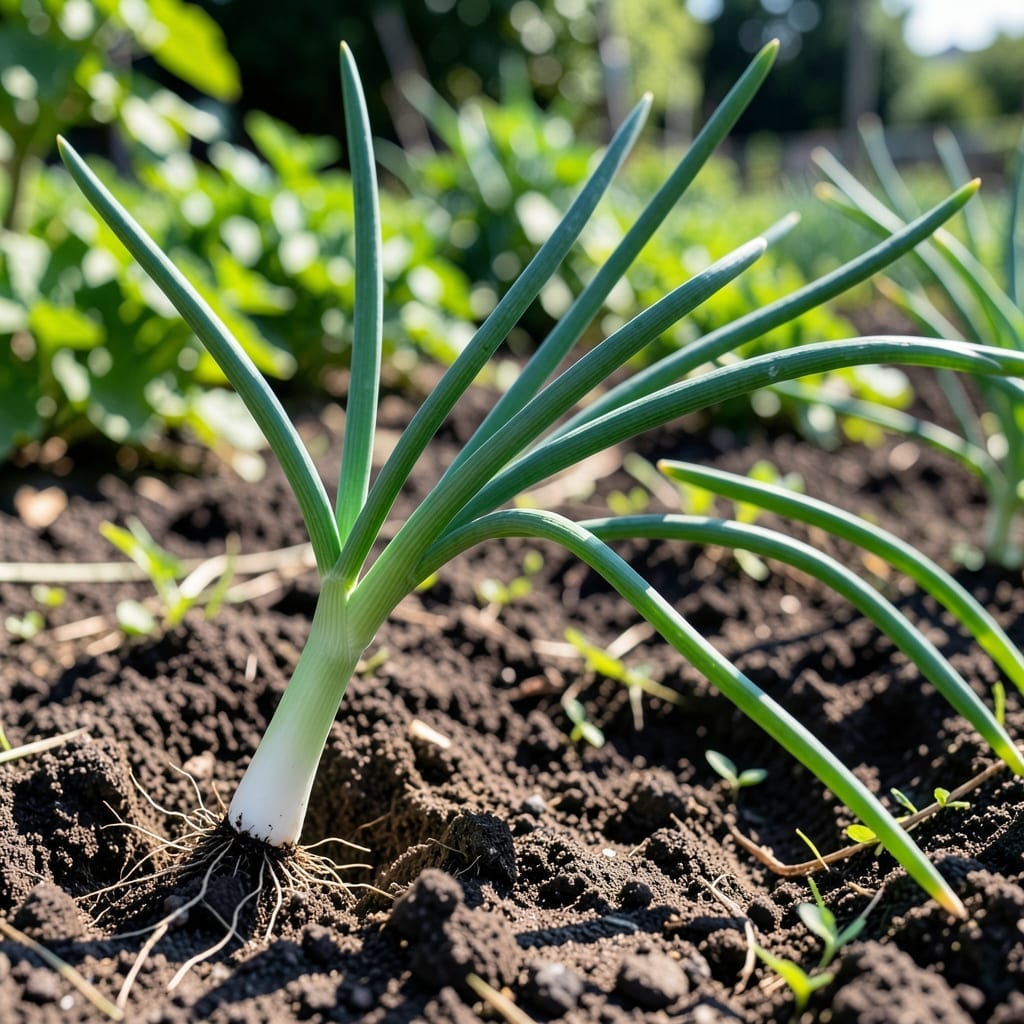
I used to think green onions were a one-and-done herb until I discovered the regrow trick. Now I harvest fresh leaves from the same bunch for months, just by giving them a glass of water and some sunlight.
This method works with store-bought onions too—no garden required. You’ll get multiple harvests from a single purchase, with crisp, flavorful leaves ready to snip whenever you need them.
📚 In This Guide
Here’s how I keep a steady supply going with minimal effort and maximum flavor.
Use clean, sharp scissors to snip the green tops about 1-2 inches above the white bulb. Always cut at an angle rather than straight across—this reduces the risk of water pooling on the cut surface, which can lead to rot. I harvest from the outer leaves first, working my way inward to keep the plant balanced and healthy.
Never remove more than one-third of the foliage at a time. Taking too much stresses the plant and slows regrowth. You’ll know you’ve taken the right amount when the remaining leaves still look full and vibrant, not sparse or sad.
After harvesting, leave the white bulb and the short stub of green intact. Trim any roots that look dark, mushy, or overly long, but leave the firm, healthy ones. This encourages the plant to focus its energy on producing new leaves rather than repairing damaged roots.
Rinse the bulbs gently under cool water to remove any soil or debris. Pat them dry with a paper towel—excess moisture can invite mold. Real talk: I’ve skipped this step before and regretted it when my next batch of leaves came in weak and spotty.
Place the bulbs root-side down in a shallow glass or jar filled with 1-2 inches of clean water. Use room-temperature water to avoid shocking the roots. I like to use a clear container so I can monitor root growth and water clarity.
Set the jar in a spot with bright, indirect light, like a windowsill that doesn’t get harsh afternoon sun. Change the water every 2-3 days to prevent bacteria buildup. You’ll see new roots forming within 3-5 days, and fresh green shoots will follow shortly after.
Once the roots are 2-3 inches long and the new shoots are a few inches tall, it’s time to move them to soil. Fill a small pot with well-draining potting mix and plant the bulbs 1 inch deep, spacing them 2-3 inches apart if using a larger container.
Water lightly after planting, just enough to settle the soil. Keep the soil moist but not soggy—stick your finger in up to the first knuckle, and if it feels dry, it’s time to water. Place the pot in a location with full sun to partial shade for best results.
After transplanting, your green onions will continue to regrow as long as you care for them properly. Fertilize lightly every 3-4 weeks with a balanced liquid fertilizer to keep the soil rich in nutrients. I use half the recommended strength to avoid burning the roots.
Harvest leaves as needed, always following the same one-third rule. With consistent care, each bulb can produce 3-4 harvests before it starts to weaken. When that happens, simply start the process over with fresh bulbs. This is the moment that matters: you’ll have a perpetual supply with almost no extra cost.
Took me a few tries to get this right, so let me share what I’ve learned.
Harvesting Technique: In Step 1, always cut at that precise 1-2 inches above the white bulb and at an angle—this isn’t just for aesthetics. Straight cuts can trap water, leading to rot, while angled cuts help shed excess moisture. I’ve ruined bulbs by cutting too close to the base, so trust the measurement.
Water Maintenance: During Step 3, changing the water every 2-3 days is non-negotiable. I once left mine for a week, and the roots turned slimy. Room-temperature water is key too—cold water shocks the roots, slowing growth. A clear container helps you spot when the water needs changing before it affects the roots.
Transplant Timing: Don’t rush Step 4. Wait until roots are truly 2-3 inches long—any shorter and the bulb won’t establish well in soil. I’ve planted too early and watched the bulbs struggle. The same goes for shoots; let them grow a few inches tall so they have the strength to transition.
Light and Moisture: Bright, indirect light in Step 3 and full sun to partial shade in Step 4 are critical. Too much direct sun can scorch the new roots in water, while too little light in soil makes for weak, leggy growth. And that finger test for soil moisture? Stick to it—soggy soil is just as bad as dry.
No, regrowing green onions works best from the white root end (about 1-2 inches). The leaves alone lack the necessary root structure to regrow. Save the roots and place them in water or soil for new growth!
In water, you’ll see new leaves in about 3-5 days, with full regrowth in 1-2 weeks. In soil, it may take slightly longer (2-3 weeks) but yields sturdier plants.
Yellow leaves often indicate overwatering, poor drainage, or nutrient deficiency. Trim the yellow parts, adjust watering, and ensure the roots aren’t submerged too deeply.
Yes! Green onion leaves (scallions) have a milder, slightly sweeter flavor than chives but work well in most recipes. Use a 1:1 ratio for fresh applications like garnishes or salads.
Wrap unwashed leaves in a damp paper towel, place in a sealed container, and refrigerate for up to 1 week. For longer storage, chop and freeze them for up to 3 months.