
Beautiful Plants For Your Interior
Beautiful Plants For Your Interior
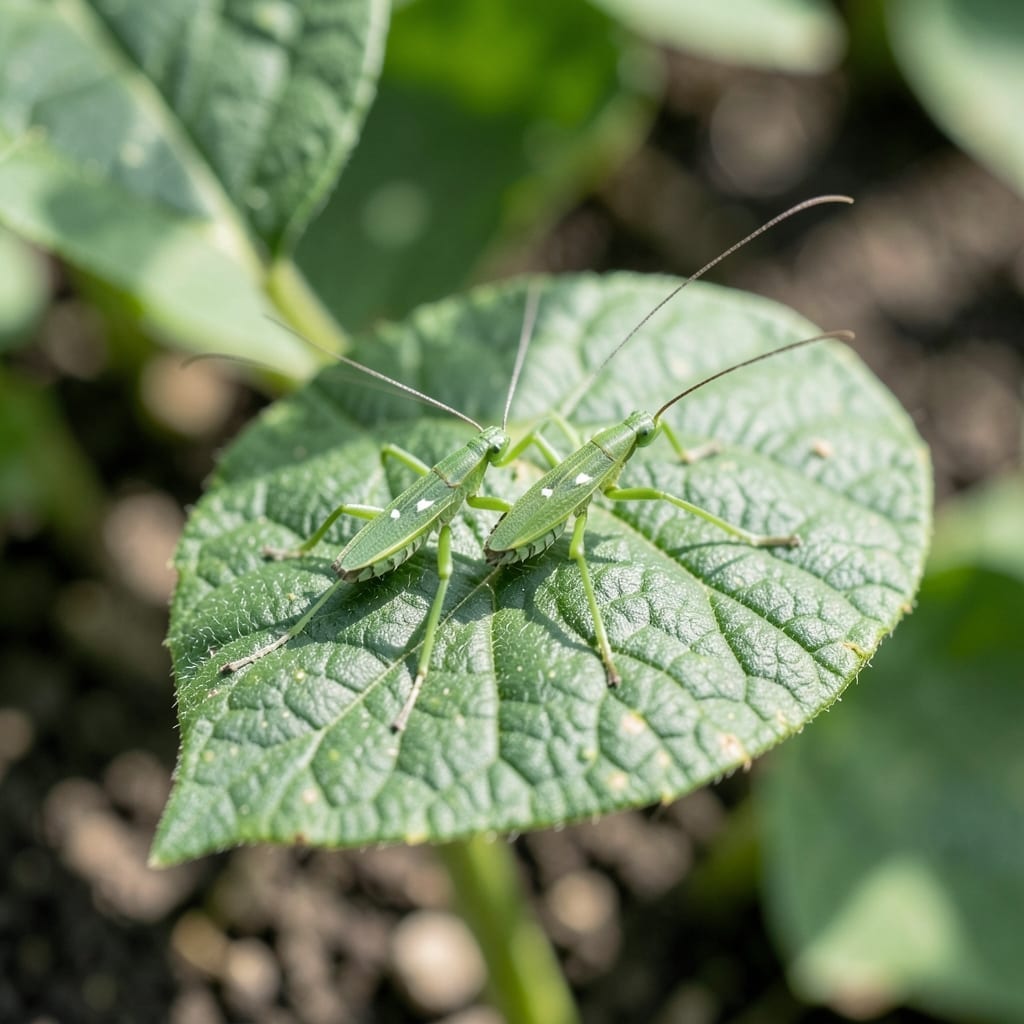
I spotted my first green bean pest too late last season. Tiny holes in leaves, stunted pods—by then, the damage was done.
Early detection changes everything. Check undersides of leaves for eggs or clusters of aphids. Cucumber beetles leave obvious chew marks, while spider mites create webbing. Catching them early means simpler solutions.
Natural removal works surprisingly well. A strong spray of water knocks off aphids. Neem oil handles most soft-bodied pests. For Japanese beetles, hand-picking at dawn does the trick.
Prevention is simpler than treatment. Rotate crops yearly, keep the garden clean, and introduce beneficial insects like ladybugs. Healthier plants resist pests better from the start.
Understanding why pests target green beans helps you prevent future outbreaks. These invaders thrive under specific conditions, often tied to environmental factors or gardening practices. Below are the most common causes, explained scientifically for actionable insights.
Green beans planted too closely together create a humid, shaded microclimate that attracts sap-sucking insects like aphids and spider mites. Poor air circulation traps moisture, accelerating pest reproduction. Solution: Space plants 4–6 inches apart to improve airflow and reduce hiding spots for bugs.
Overwatering or poor drainage leads to fungal growth and soft plant tissues, which invite pests like bean beetles. Stagnant water also breeds mosquitoes and gnats. Solution: Water at the base of plants in the morning, allowing foliage to dry by evening. Use mulch to retain moisture without waterlogging.
Monoculture gardens (growing only green beans) eliminate natural predators like ladybugs and lacewings. Without these biological controls, pest populations explode. Solution: Interplant with repellent herbs (e.g., basil, marigolds) or flowers to attract beneficial insects.
Nitrogen-heavy soils produce lush but weak foliage, a magnet for leafhoppers and whiteflies. Conversely, nutrient-poor soil stresses plants, making them vulnerable. Solution: Test soil annually and amend with compost or balanced organic fertilizers (e.g., 10-10-10 NPK).
Fallen leaves, dead plants, or weeds harbor overwintering pests and their eggs. For example, Mexican bean beetle larvae pupate in soil debris. Solution: Remove plant residue after harvest and rotate crops yearly to disrupt pest life cycles.
Dealing with pests on your green beans doesn’t have to be a losing battle. Here’s how to tackle common issues head-on, with simple, natural fixes and smart prevention to keep your crop thriving.
These tiny, soft-bodied insects cluster on new growth and undersides of leaves, sucking sap and spreading disease. Fix: Spray them off with a strong stream of water from a hose early in the morning. For stubborn infestations, apply neem oil or insecticidal soap every 5–7 days. Prevent: Attract beneficial insects like ladybugs by planting companion flowers such as marigolds or alyssum. 🌼
These copper-colored beetles and their fuzzy yellow larvae chew on leaves, skeletonizing them quickly. Fix: Handpick adults and larvae in the early morning when they’re sluggish, dropping them into a bucket of soapy water. Apply kaolin clay as a barrier spray to deter them. Prevent: Rotate crops yearly and remove plant debris after harvest to disrupt their life cycle.
These minuscule pests thrive in hot, dry conditions, causing stippled, discolored leaves. Fix: Spray plants with water to dislodge mites and increase humidity. Use horticultural oil for severe cases. Prevent: Keep plants well-watered and mulched to retain moisture. Introduce predatory mites for long-term control. 💧
Look for tiny holes in leaves or stippled, yellowing foliage. Check undersides for clusters of small insects or fine webbing, which indicate spider mites. Early morning inspections reveal sluggish pests like beetles.
Yes! A strong spray of water removes aphids, and 1 tablespoon of dish soap mixed with 1 quart of water makes an effective spray. Neem oil also works for many soft-bodied insects.
Check plants weekly for early signs of trouble. Focus on new growth and leaf undersides where pests hide. More frequent checks may be needed during hot, dry spells.
Marigolds repel beetles, while basil deters whiteflies. Planting flowers like alyssum attracts beneficial insects that prey on pests. This natural method reduces the need for interventions.