
Beautiful Plants For Your Interior
Beautiful Plants For Your Interior
Nothing’s more frustrating than watching grass seed just sit there. I’ve wasted entire weekends staring at bare soil, wondering what went wrong and why the lawn isn’t cooperating.
Turns out, most failures come down to just a few simple issues—bad seed, dry soil, or the wrong temperature at the wrong time. Fix these, and you’ll see green sprouts within 7-14 days instead of dead patches.
I’ve tested every trick: prepping the soil, keeping it consistently moist, and choosing high-quality seed. The difference between failure and a lush lawn often comes down to patience and attention to detail.
Here’s how to diagnose the problem and get your grass growing right this time.
When your grass seed refuses to sprout, several underlying factors could be at play. Understanding these causes helps you take corrective action for a thriving lawn. Below are the most common reasons why germination fails.
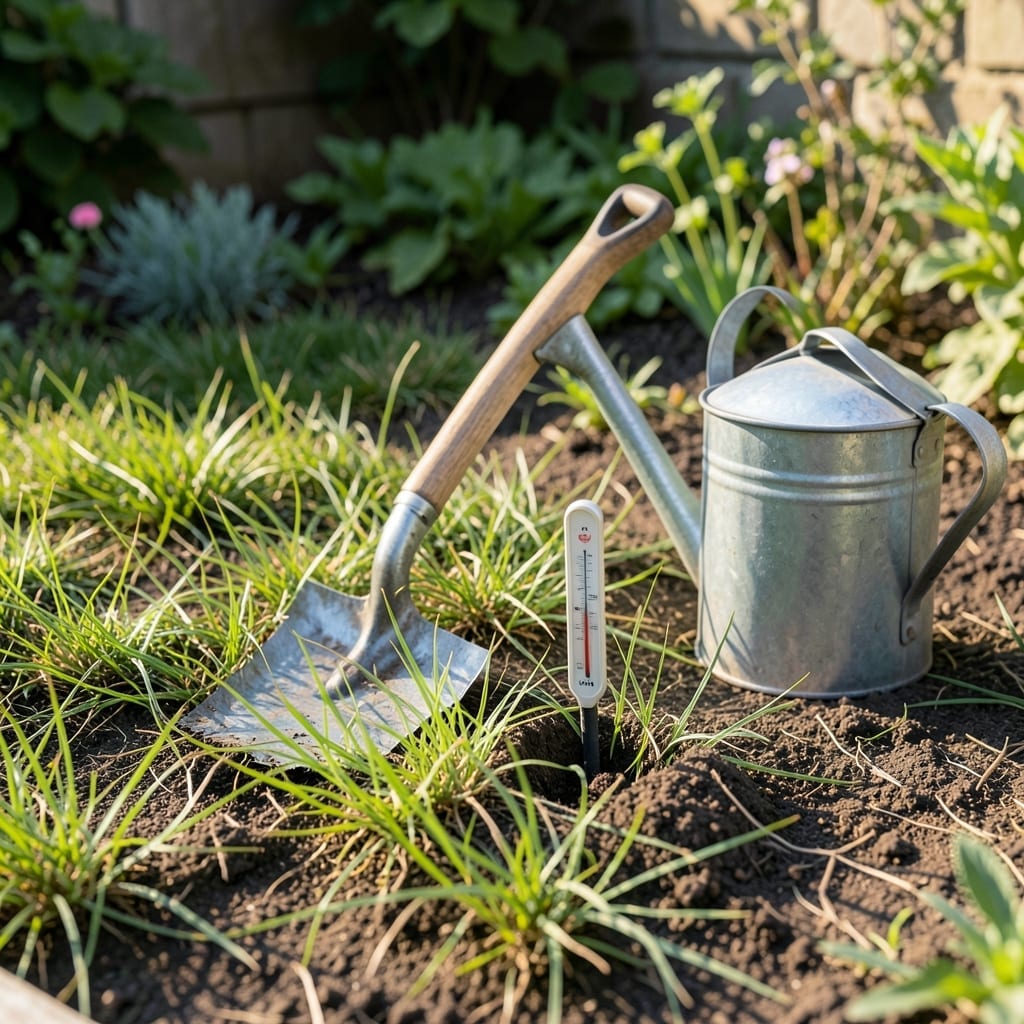
Grass seed requires a specific soil temperature range to germinate—typically 50–65°F for cool-season grasses and 60–75°F for warm-season varieties. If the soil is too cold or too hot, the seed remains dormant. Use a soil thermometer to check conditions before planting.
Seeds need consistent moisture to soften the seed coat and trigger germination. Overwatering can cause rot or wash seeds away, while underwatering leads to dehydration. Aim for light, frequent watering (1–2 times daily for short durations) to keep the top inch of soil damp but not soggy.
If seeds aren’t firmly pressed into the soil, they may dry out or fail to absorb nutrients. Rake lightly after sowing to ensure contact, or use a lawn roller for even distribution. A thin layer of compost (¼ inch) can also improve adhesion.
Expired or low-viability seed has reduced germination rates. Always check the packaging date and opt for fresh, high-quality seed. For best results, test seed viability by placing a few in a damp paper towel—if most don’t sprout within a week, replace the batch.
Grass prefers a slightly acidic to neutral pH (6.0–7.5). Extremely alkaline or acidic soil can inhibit nutrient uptake. Conduct a soil test and amend with lime (to raise pH) or sulfur (to lower pH) as needed before planting.
When grass seed fails to sprout, targeted fixes can turn the tide. Below are practical solutions for common culprits, plus ways to prevent future headaches.
If your seeds are past their prime (typically 1–2 years old), they lose viability. Fix: Test a small batch in a damp paper towel—if few sprout in 7–10 days, replace the seed. Prevent: Buy fresh, high-quality seed from reputable suppliers and store it in a cool, dry place in an airtight container.
Seeds need consistent moisture to germinate but can rot if soggy. Fix: Water lightly once or twice daily (early morning is best) to keep soil damp but not waterlogged. Use a spray bottle for gentle coverage. Prevent: Lay down a thin layer of straw mulch to retain moisture without smothering seeds.
Cool-season grasses (like fescue or rye) need 60–75°F soil temps, while warm-season types (Bermuda, Zoysia) thrive at 75–85°F. Fix: Check soil temperature with a thermometer and reseed when conditions align. Prevent: Plant cool-season grass in early fall or spring, and warm-season grass in late spring to early summer.
Seeds planted deeper than ¼ inch may struggle to break through. Fix: Lightly rake the soil to expose seeds if they’re buried too deep, then cover with a thin (⅛-inch) layer of compost. Prevent: Use a seed spreader for even distribution and press seeds lightly into soil with a roller or the back of a rake.
Compacted, nutrient-poor, or overly acidic/alkaline soil can halt germination. Fix: Test soil pH (ideal: 6.0–7.5) and aerate compacted areas. Add compost or a starter fertilizer (low nitrogen, high phosphorus) to boost growth. Prevent: Prepare the soil by tilling and removing debris before seeding.
💡 Pro Tip: Keep foot traffic off seeded areas until grass is 3–4 inches tall to avoid disturbing the soil.
Water lightly 1-2 times daily for 5-10 minutes each session. Keep soil consistently damp but not soggy. Early morning is ideal to prevent evaporation.
Test old seed by placing some in a damp paper towel. If most don’t sprout within 7-10 days, it’s best to replace it. Fresh seed typically has 85-95% viability.
Cool-season grasses need 50-65°F, while warm-season types thrive at 60-75°F. Use a soil thermometer to check before planting.
A thin layer (⅛-¼ inch) of compost helps, but avoid burying seeds too deep. They need light and airflow to sprout effectively.