
Beautiful Plants For Your Interior
Beautiful Plants For Your Interior
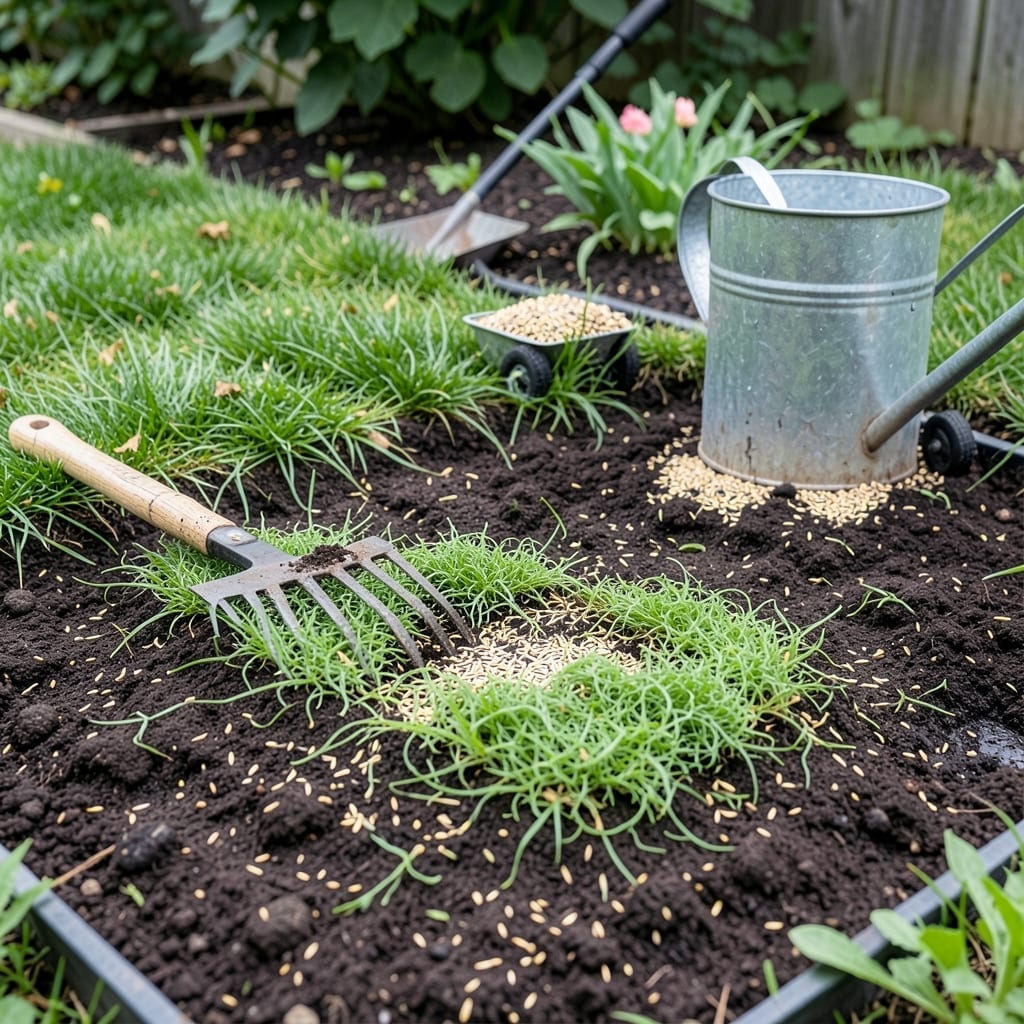
Timing is everything when planting Cool Season Grass 🌱 in spring—get it right, and you’ll enjoy a thick, green lawn that thrives all season.
Plant too early or too late, and you risk poor germination, weak growth, or wasted effort. The difference between success and frustration often comes down to a few weeks.
I’ve seen firsthand how the perfect window transforms struggling lawns into lush carpets. It’s not just about the calendar date—it’s about soil temperature and regional climate cues.
Let me show you exactly when to plant for maximum impact and how to prepare your soil for the best possible start.
The perfect planting window for cool season grass depends on soil temperature and your local last frost date. I always aim for 50-65°F soil temps, which is prime for germination.
In most regions, this means early spring, typically March to April. But if you’re in a colder USDA Zone 3-4, wait until late April to avoid frost damage. 🌱
| Grass Type | Ideal Soil Temp | Best Months |
|---|---|---|
| Kentucky Bluegrass | 50-65°F | March-April |
| Tall Fescue | 55-65°F | March-May |
| Perennial Ryegrass | 50-60°F | Early Spring |
Northern climates like New England or the Pacific Northwest often have later planting windows. I’ve found mid-April works best there to avoid late frosts.
Southern regions with mild winters can start as early as February. But always check your local frost dates to be safe. The goal is consistent soil warmth for 7-10 days.
For Kentucky Bluegrass, I recommend waiting until soil temps hit 55°F. It’s slower to germinate but forms a dense, durable lawn. Ryegrass is faster but needs more frequent watering. 🌿
Fescue is my top pick for shady areas and drought-prone regions. It establishes well in cooler soil but tolerates summer heat better than other cool season types.
If you’re unsure about your soil temperature, grab a soil thermometer. They’re inexpensive and take the guesswork out of timing. I check mine every morning for a week before planting.
Avoid planting when nighttime temps still dip below 40°F. Young grass seedlings can’t handle cold snaps, and you’ll risk losing your entire investment.
Also, watch the weather forecast. If heavy rain is expected right after planting, your seeds might wash away. A light, steady rain is ideal for natural watering, but downpours can be problematic. 💧
I’ve found that the key to a lush lawn is proper preparation before planting. Start by testing your soil pH, aiming for 6.0 to 7.5—this ensures your grass seeds can access essential nutrients.
Next, remove any debris or weeds from the area. I always recommend tilling the top 2 to 3 inches of soil to loosen it, which helps roots establish quickly.
When sowing, I use a broadcast spreader for even distribution. Be sure to follow the seed rate on the package—over-seeding can lead to competition and poor growth.
After planting, lightly rake the area to ensure seed-to-soil contact. This step is critical—seeds need to be covered with about 1/4 inch of soil to germinate properly.
Water immediately after planting, using a gentle mist to avoid displacing seeds. Keep the soil consistently moist, but not soggy, for the first 2 to 3 weeks.
I’ve learned that morning watering is best to reduce evaporation and prevent fungal issues. Stick to a schedule, and you’ll see sprouts in 7 to 14 days.
Once your grass reaches 2 to 3 inches tall, it’s time for the first mow. Set your mower high to avoid stressing the new growth.