
Beautiful Plants For Your Interior
Beautiful Plants For Your Interior
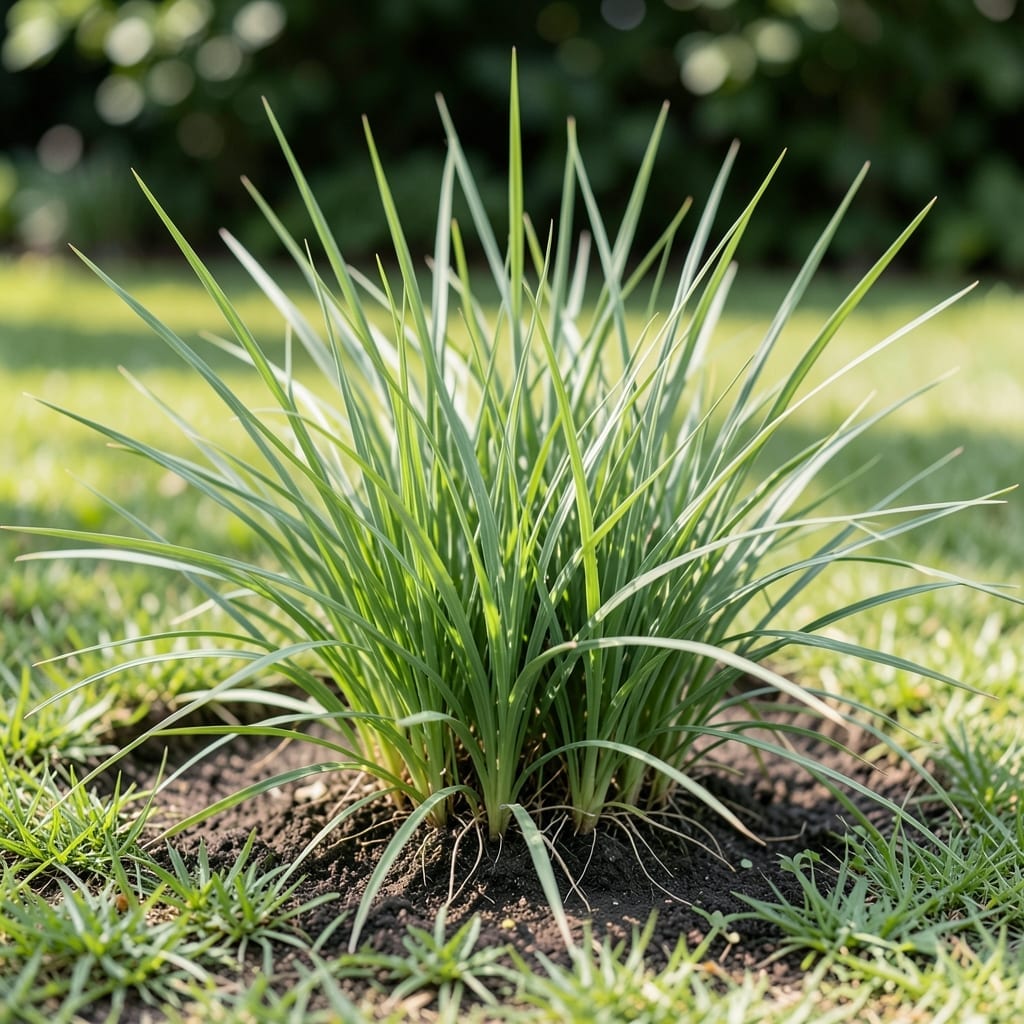
Light green patches in your lawn aren’t just eyesores—they’re your grass crying for help. I’ve dealt with my fair share, and the fixes are simpler than you’d think.
Most often, it’s uneven watering, compacted soil, or a nitrogen deficiency. The good news? These issues respond fast to the right treatment. A quick soil test and some targeted care can restore that uniform color.
You’ll see improvement within 1-2 weeks of addressing the root cause. No fancy equipment needed—just consistency and the right approach.
Works for any grass type, any climate. Here’s how to diagnose and fix it for good.
Light green patches in your lawn often signal underlying issues that disrupt healthy growth. Here are the most common causes, explained simply:
Grass turns light green when it lacks essential nutrients, particularly nitrogen or iron. Nitrogen fuels leafy growth, while iron supports chlorophyll production. A soil test can confirm deficiencies—yellowing often starts in older leaves first.
Too much water suffocates roots, blocking nutrient uptake, while drought stress slows chlorophyll production. Both extremes lead to pale, weak grass. Check soil moisture 2–3 inches deep—it should feel damp, not soggy or bone-dry.
Grass needs 6+ hours of direct sunlight daily. Shaded areas (under trees, along fences) often develop light green patches because photosynthesis slows. Thin tree canopies or choose shade-tolerant grass varieties like fine fescue.
Grubs, chinch bugs, or fungal diseases (e.g., dollar spot) damage roots or blades, reducing the grass’s ability to absorb nutrients and water. Look for wilting, chewed blades, or circular brown patches with light green halos.
Heavy foot traffic or clay soil compacts the earth, restricting root access to air, water, and nutrients. Aerate compacted areas to improve oxygen flow and encourage deeper root growth.
Pro tip: Address the root cause (literally!) for long-term fixes—surface treatments alone won’t restore vibrant color.
Uneven color in your lawn often starts with simple fixes. Below are the most common causes of light green patches and how to turn them lush and uniform again.
Yellowish-green patches often signal a lack of nitrogen or iron. Apply a balanced, slow-release fertilizer (10-10-10 or 20-5-10) to restore vibrancy. For iron deficiency, use a chelated iron supplement. Prevention tip: Test soil annually and fertilize in early spring and fall.
Too much water can suffocate roots, while too little leaves grass parched. Water deeply but infrequently—about 1 to 1.5 inches per week, including rainfall. Use a rain gauge to track. Prevention tip: Water early in the morning to reduce evaporation and fungal risks.
Grass in shady areas often lightens due to lack of sunlight. Trim overhanging branches or choose shade-tolerant grass varieties like fine fescue or St. Augustine. Prevention tip: Aerate shaded spots annually to improve air and nutrient flow.
Check for grubs, chinch bugs, or fungal infections (like dollar spot). Apply targeted insecticides or fungicides as needed. Prevention tip: Mow high (3–4 inches) to strengthen grass and deter pests.
Compacted soil restricts root growth and nutrient uptake. Aerate the lawn in spring or fall, pulling small plugs of soil. Follow with a thin layer of compost. Prevention tip: Avoid heavy foot traffic on stressed areas.
💡 Pro tip: For quick color recovery, apply a liquid iron supplement—results can appear within days!
With the right treatment, you’ll see improvement in 1-2 weeks. Nitrogen fertilizer works fastest, while iron supplements can show results in just 3-5 days. Consistency is key for lasting results.
Yes, but it’s less precise. Start with a balanced fertilizer and adjust watering. If patches persist after 2 weeks, a $20 soil test will pinpoint the exact issue.
Recurring light spots often mean the root cause wasn’t addressed. Check for compacted soil, shade issues, or poor drainage. Aerate and overseed for long-term prevention.