
Beautiful Plants For Your Interior
Beautiful Plants For Your Interior
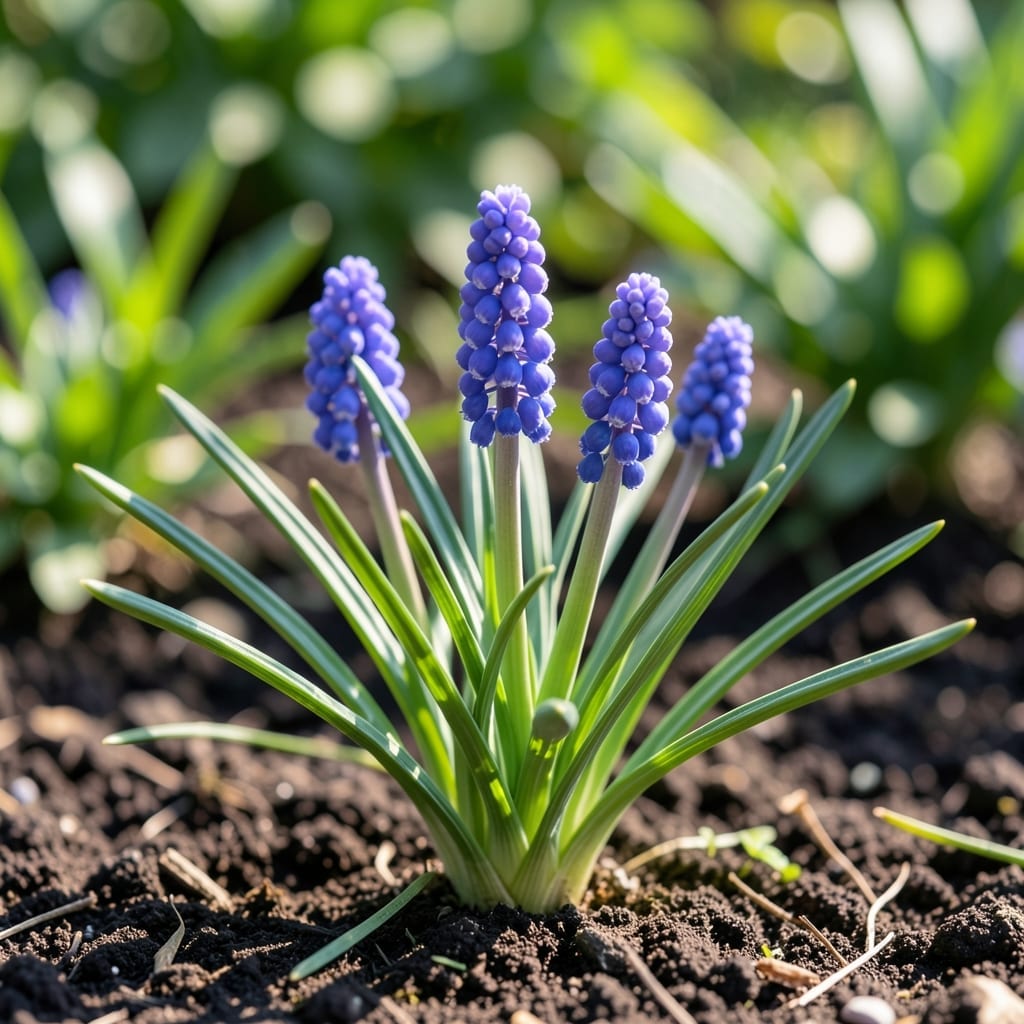
Those yellowing grape hyacinth leaves always catch me off guard in early spring. 🌱 I’ve learned it’s rarely about the cold—usually it’s too much water sitting at the roots or not enough nutrients in the soil.
Here’s the thing—once you identify the real cause, revival is simpler than you think. A little organic care and adjusted watering brings back that vibrant green within weeks, no harsh chemicals needed.
📚 In This Guide
Here’s my go-to method for diagnosing and fixing yellow leaves on these tough little spring bloomers.
Gently dig around the base of a yellowing plant with your fingers to expose the bulb and upper roots. I look for soft, mushy spots on the bulb or black, rotten roots—these signal overwatering or poor drainage. Healthy bulbs feel firm, like a small onion, and roots are white or light tan.
If the soil smells sour or the bulb lifts out with no resistance, it’s likely rotting. Real talk: once the bulb turns to mush, the plant can’t be saved. But if the damage is limited to a few roots, trim those away with clean shears and let the soil dry out completely before watering again.
Grape hyacinths need full sun to partial shade. If leaves are yellowing and elongated, they’re probably stretching for light. Move potted plants to a sunnier spot, or thin nearby perennials that might be shading them. Outdoors, they thrive in 6+ hours of morning sun.
Here’s the thing—don’t shock them with sudden bright light. If they’ve been in deep shade, introduce them to more sun over 5-7 days by shifting the pot an hour closer to direct light daily. Watch for leaf scorch (brown tips) which means too much, too fast.
These bulbs rot easily in soggy soil. Water only when the top 2 inches of soil feel dry to the touch. I stick my finger in to check—if it comes out clean and dry, it’s time to water. Always water at the base, never overhead, to keep foliage dry and prevent fungal issues.
If your hyacinths are in heavy clay soil, amend with compost to improve drainage. Container-grown plants? Ensure pots have drainage holes and use a well-draining mix. I’ve lost more than a few to kind intentions and overwatering—don’t let that happen to you.
Yellow leaves can also mean nutrient deficiency. Once the soil is dry enough to work, scratch a 1-inch layer of compost or well-rotted manure into the topsoil around the plants. This provides slow-release nutrients without burning tender roots.
Avoid high-nitrogen fertilizers—they promote leafy growth at the expense of flowers. Instead, use a balanced organic fertilizer like fish emulsion (diluted to half strength) every 4-6 weeks during active growth. You’ll see new green growth within 2-3 weeks if nutrients were the issue.
Grape hyacinth leaves naturally yellow and die back in late spring as they enter dormancy. This is normal! If it’s June or July and the leaves are turning yellow from the tips downward, leave them be. The plant is storing energy for next year’s bloom.
Cut back yellow foliage only after it’s completely brown and dry. Premature trimming robs the bulb of food. I mark these spots with small sticks so I don’t accidentally dig up the bulbs while they’re resting. They’ll bounce back with fresh green leaves next spring.
Small adjustments can prevent most yellowing issues with these hardy plants.
Inspection Shortcut: In Step 1, use a hand trowel instead of your fingers to expose bulbs more efficiently. This helps you spot soft, mushy areas faster while minimizing root disturbance. Healthy bulbs should feel as firm as a fresh onion.
Light Transition Tip: For Step 2, if moving plants from deep shade, start by placing them in bright, indirect light before gradually introducing direct sun. That 5-7 day transition period prevents leaf scorch—brown tips are your warning sign to slow down.
Watering Wisdom: In Step 3, invest in a moisture meter to take the guesswork out of the top 2 inches rule. These inexpensive tools are more reliable than the finger test, especially for beginners. Always water in the morning to allow excess moisture to evaporate during the day.
Nutrient Timing: When applying that 1-inch layer of compost in Step 4, do it right after rain or watering. The moisture helps nutrients penetrate the soil more effectively. You should notice improvement within those 2-3 weeks mentioned in the instructions.
Yellowing leaves often signal overwatering, poor drainage, or nutrient deficiencies. Check soil moisture and ensure proper drainage to revive your plants naturally.
Act quickly at the first sign of yellowing, ideally in early spring or fall. This gives plants time to recover before extreme weather or dormancy.
Yes! Coffee grounds add organic matter and acidity, which grape hyacinths love. Mix lightly into soil for a gentle nutrient boost.
Mushy yellow leaves usually mean root rot from overwatering. Reduce watering, improve drainage, and trim affected foliage to prevent spread.
Consider sedum or lavender for low-maintenance, drought-resistant options. Both thrive in similar conditions with less water.