
Beautiful Plants For Your Interior
Beautiful Plants For Your Interior
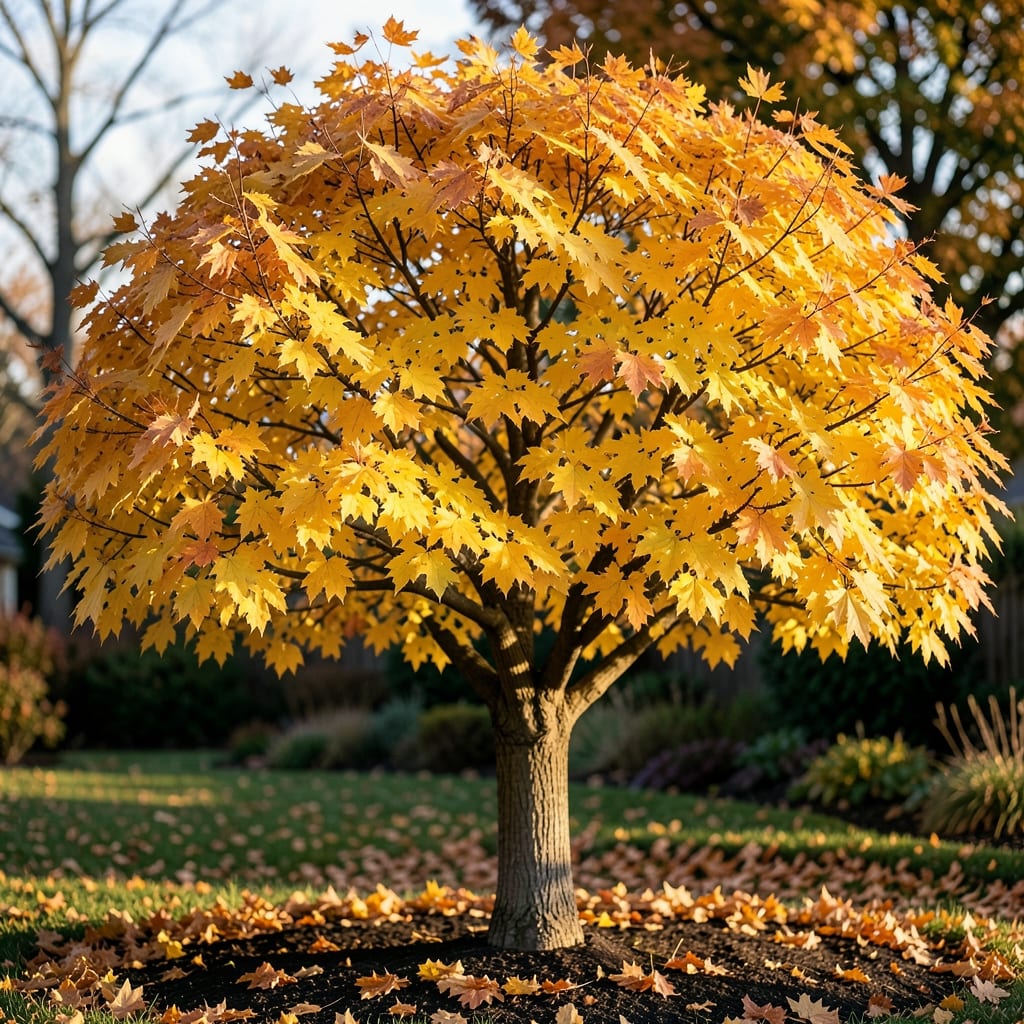
Autumn hits different when your garden glows gold. I’ve watched my maples and birches transform from green to stunning amber overnight, signaling the season’s shift.
This change isn’t just beautiful—it’s a sign to adjust care routines. Less water, more mulch, and a watchful eye for early frosts keep plants thriving through the transition.
📚 In This Guide
This is how I help my garden transition beautifully into fall while keeping plants healthy.
Watch for the first signs of color change as days shorten and temperatures drop to 50-60°F at night. Chlorophyll degrades naturally during this period, revealing the yellow and orange pigments that were always present in the leaves. I check my trees daily once the first hints of gold appear.
The process accelerates when daylight hours fall below 12 hours. You’ll notice the most dramatic shifts in maples, oaks, and birches. Don’t be alarmed if some leaves drop early—this is part of the plant’s energy conservation strategy as it prepares for winter dormancy.
Remove dead or diseased branches first, as these can harbor pests through winter. Use clean, sharp tools to make cuts at a 45-degree angle just above a leaf node or branch collar. This improves air circulation and lets the plant focus energy on healthy growth.
Avoid heavy pruning now—it can stimulate new growth that won’t have time to harden off before frost. Light shaping is fine, but save major structural work for late winter. I’ve found that selective thinning actually improves the visibility of those gorgeous golden leaves against the tree’s silhouette.
As temperatures cool, plants need less water, but don’t let the soil dry out completely. I water deeply once a week if we haven’t had rain, targeting the root zone rather than the leaves. The goal is to maintain consistent moisture without creating soggy conditions that could lead to root rot.
Pay special attention to evergreens and newly planted specimens—they continue to transpire through winter and need adequate moisture going into dormancy. A 2-3 inch layer of mulch helps retain soil moisture and insulates roots from temperature fluctuations that can cause frost heave.
When nighttime temperatures dip to 32°F, sensitive plants need protection. I drape old bedsheets or frost cloth over tender perennials and newly planted trees. Secure the covering to the ground to trap the earth’s radiant heat, but remove it during the day to allow light and air circulation.
For container plants, move them to a sheltered location like a garage or porch where temperatures stay above 40°F. Grouping containers together also helps create a microclimate that’s a few degrees warmer. Remember that potted plants are more vulnerable to temperature swings than those in the ground.
Fall is the ideal time to enrich your soil for next year’s growth. I spread a 1-2 inch layer of compost around the base of my trees and shrubs, being careful not to mound it against the trunk. This slow-release fertilizer will break down over winter, improving soil structure and providing nutrients when plants need them most in spring.
Avoid high-nitrogen fertilizers now—they can stimulate tender new growth that will be damaged by frost. Instead, focus on organic matter that builds soil health. This is also the perfect time to test your soil pH and make adjustments if needed, as lime or sulfur applications need several months to take effect.
These insights will help you navigate the seasonal transition with confidence and finesse.
The Temperature Factor: When nighttime temperatures consistently drop to 50-60°F, that’s your signal to start monitoring chlorophyll breakdown. The color change accelerates dramatically once daylight falls below 12 hours, so track both temperature and daylight to predict the most vibrant displays.
Pruning Precision: Those 45-degree angle cuts in Step 2 aren’t just for aesthetics—they prevent water pooling that could lead to disease. I learned this the hard way after losing a prized maple to rot from improper pruning angles. Always cut just above a leaf node or branch collar for optimal healing.
Moisture Management: The 2-3 inch layer of mulch in Step 3 serves double duty: it retains soil moisture while insulating roots against temperature swings. For evergreens and newly planted specimens, check soil moisture weekly by inserting your finger 2 inches deep—if it’s dry, it’s time to water deeply at the root zone.
Frost Protection Timing: At 32°F, sensitive plants need immediate protection, but don’t overlook the 40°F threshold for container plants. Grouping containers together creates a microclimate that can be 5-10°F warmer, which often makes the difference between thriving and struggling through early frosts.
Golden leaves typically appear in early to mid-autumn, usually between late September and October, depending on your location and tree species. Cooler temperatures and shorter days trigger the color change.
The color depends on the tree species and pigments present. Golden hues come from carotenoids, while reds and oranges are from anthocyanins. Maple trees often turn red, while aspens and birches turn golden.
Press leaves between heavy books or use a leaf preservative spray. Alternatively, dry them with a microwave or iron on low heat between wax paper to maintain their color.
Yes, golden leaves in autumn are a natural part of the seasonal cycle for many trees. However, if leaves turn gold prematurely or look diseased, it could indicate stress or illness.
Some top choices include quaking aspen, birch, ginkgo, and honey locust. These trees are known for their vibrant golden-yellow leaves during the fall season.