
Beautiful Plants For Your Interior
Beautiful Plants For Your Interior
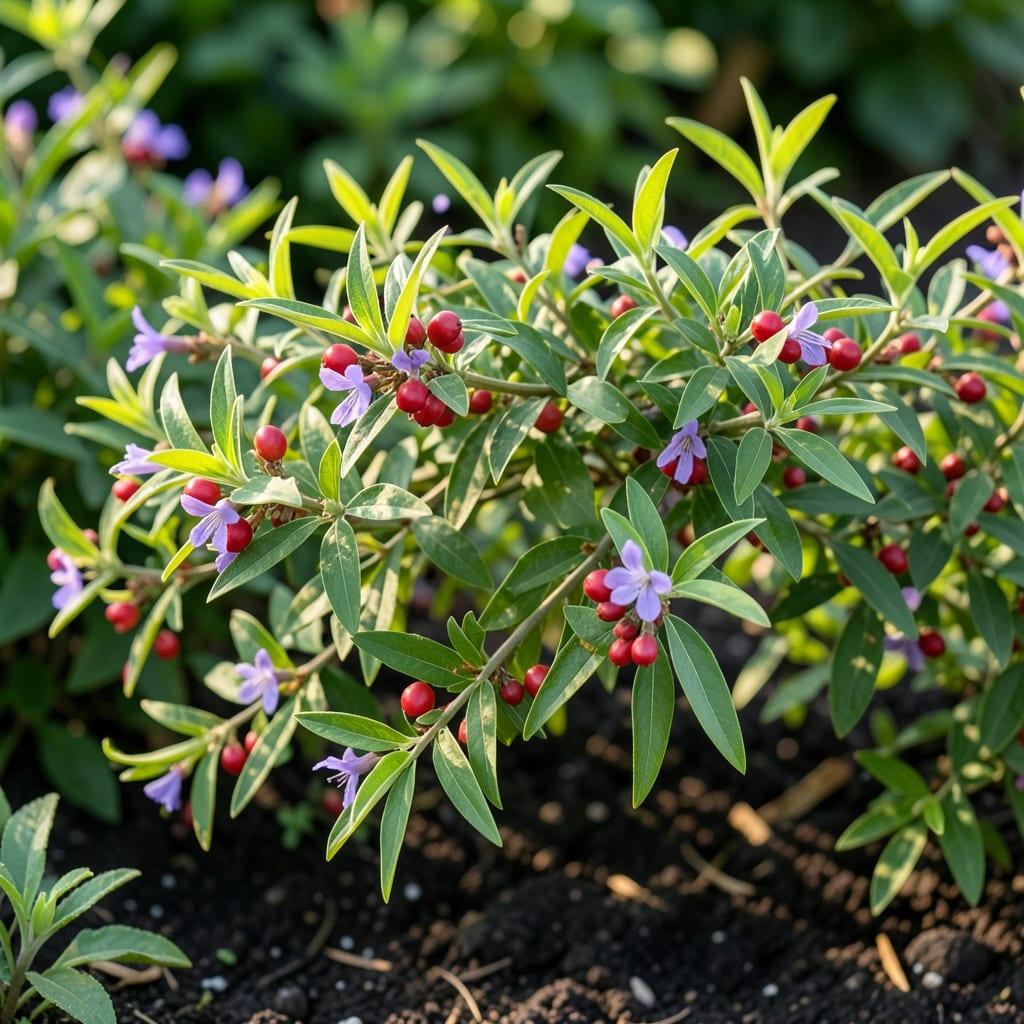
I never realized goji berry leaves pack more nutrients than the berries themselves. Harvesting them properly keeps the plant productive while giving you a superfood boost.
Timing matters—pick young leaves in morning for peak flavor and potency. A few simple tricks prevent damage to the plant while maximizing your harvest.
📚 In This Guide
Small adjustments during each stage make a significant difference in preserving quality and nutritional value.
Selection Wisdom: In Step 1, focus on leaves with that deep green hue and slightly leathery texture—this isn’t just about appearance. These visual and tactile cues indicate peak maturity when the beneficial compounds are most concentrated. Young or damaged leaves simply won’t deliver the same potency.
Harvesting Technique: The advice in Step 2 about using clean pruners isn’t just about neatness. A clean, precise cut prevents the jagged wounds that can invite disease to your goji berry shrub. I learned this the hard way after losing a plant to fungal infection from careless harvesting.
Drying Conditions: For Step 3, that 3-5 day drying window at 65-75°F is non-negotiable. Here’s what nobody tells you—humidity is your enemy here. Even in that temperature range, high humidity can double your drying time. Consider a dehumidifier if you’re in a damp climate.
Storage Insight: The 12-month storage potential mentioned in Step 4 assumes perfect conditions. Real talk: most home pantries fluctuate in temperature. If your storage area gets warmer than 75°F, plan on using your leaves within 6-8 months to maintain maximum potency.
Yes, but in moderation! Goji berry leaves are edible raw and often used in salads or teas. However, they contain solanine in small amounts, so excessive consumption may cause stomach discomfort. Light cooking or drying can reduce this risk.
Harvest leaves in spring or early summer when they’re young, tender, and packed with nutrients. Avoid picking wilted or damaged leaves, as they lose flavor and potency.
If unavailable, try morning glory leaves, spinach, or amaranth. These alternatives offer similar nutritional benefits, though flavors may vary. Always ensure they’re safe for consumption!
Yellow leaves often signal overwatering, nutrient deficiency, or pests. Check soil moisture, fertilize if needed, and inspect for bugs. Prune affected leaves to encourage healthy growth.