
Beautiful Plants For Your Interior
Beautiful Plants For Your Interior
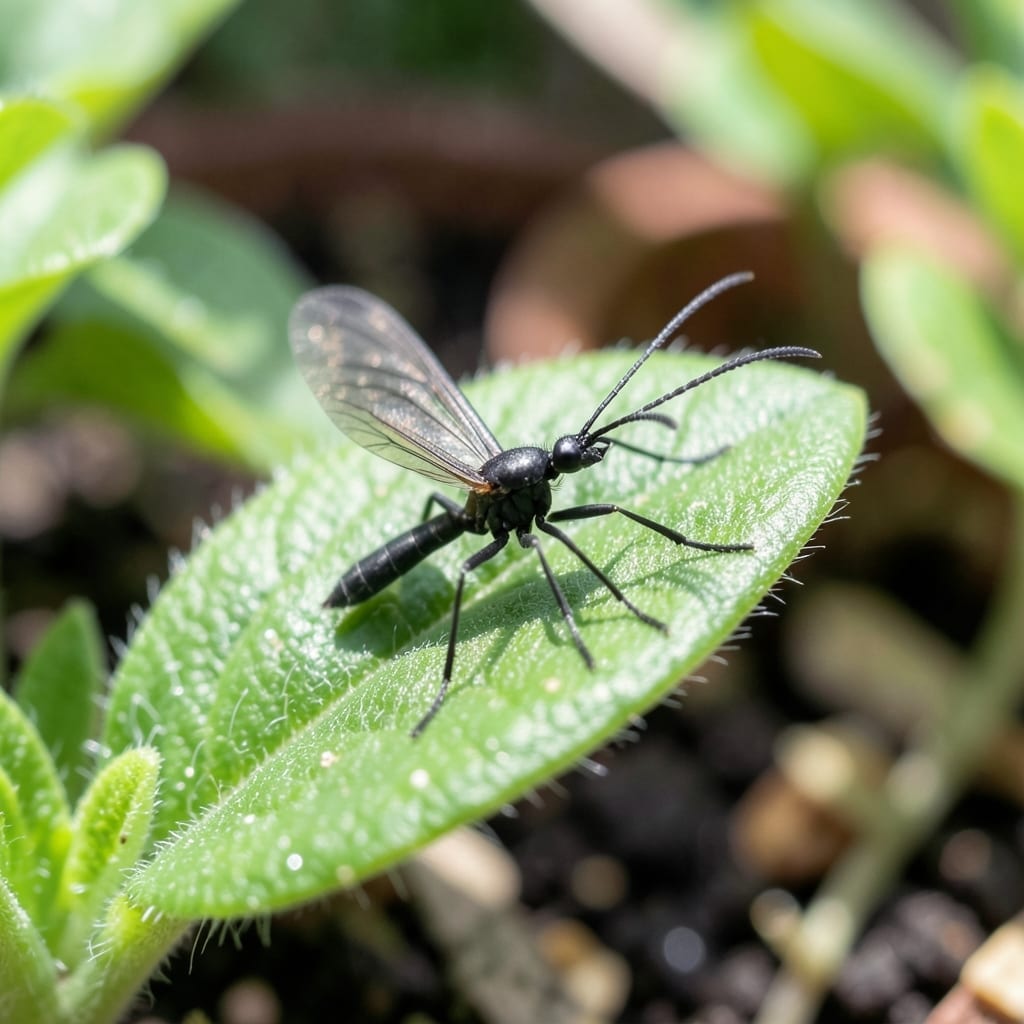
Tiny black flies hovering around your orchids are a red flag. I ignored them once and lost three plants in a week to root damage.
The problem starts with overwatering—gnats love damp soil. They don’t bite but their larvae eat roots, and that’s what kills your orchids. Catching them early saves weeks of frustration.
You’ll notice yellowing leaves and stunted growth before the plant actually dies. A simple yellow sticky trap reveals the infestation before it spreads to your whole collection.
Works for phalaenopsis, cattleyas, and any orchid in bark or moss. Here’s the fix.
Understanding why these tiny pests appear is the first step toward keeping your orchids healthy. Below are the most common causes, explained with actionable insights.
Gnats thrive in damp environments. Overwatering orchids or using pots without proper drainage creates stagnant, moist soil—an ideal breeding ground for fungus gnats. Solution: Allow the top inch of soil to dry between waterings and ensure pots have drainage holes.
Decomposing leaves, bark, or old potting mix attract gnats by providing food and shelter. Orchids with accumulated debris in their pots are especially vulnerable. Solution: Remove dead plant material regularly and repot orchids every 1–2 years with fresh mix.
Low-quality or unsterilized potting media often contains gnat eggs or larvae. Orchid mixes with high peat or compost content are particularly risky. Solution: Use sterile, well-aerated mixes labeled for orchids, or bake homemade mix at 200°F (93°C) for 30 minutes to kill pests.
Gnats spread quickly from one plant to another. If other houseplants have gnats, your orchids are at risk. Solution: Isolate new or infested plants and treat all affected specimens simultaneously.
Small pests like fungus gnats can wreak havoc on your orchids, but these practical fixes will help you reclaim control. Here’s how to tackle each cause and keep your plants thriving.
Fungus gnats love damp conditions. Stop watering immediately and let the top 1-2 inches of soil dry out completely. For severe cases, repot the orchid in fresh, sterile mix. Use a moisture meter to monitor soil levels going forward.
Rotting leaves or old potting mix attract gnats. Trim dead roots and leaves with sterilized shears, then replace the medium with a chunky, fast-draining orchid mix (e.g., bark, perlite, or sphagnum moss). This cuts off their food source.
Gnats sneak in through windows or gaps. Install fine mesh screens and use yellow sticky traps near plants to catch adults. A small fan can also deter them—they’re weak fliers!
Look for tiny black flies near the soil or yellowing leaves. Adults hover around plants, while larvae in the mix cause root damage. Sticky traps can confirm their presence.
Yes, they spread quickly to nearby plants. Isolate infested orchids immediately and treat all plants in the area. Prevention is easier than eliminating a full-blown infestation.
Stop watering and let the soil dry completely. Use yellow sticky traps for adults and repot in fresh, sterile mix to remove larvae. Expect results in 1-2 weeks.