
Beautiful Plants For Your Interior
Beautiful Plants For Your Interior
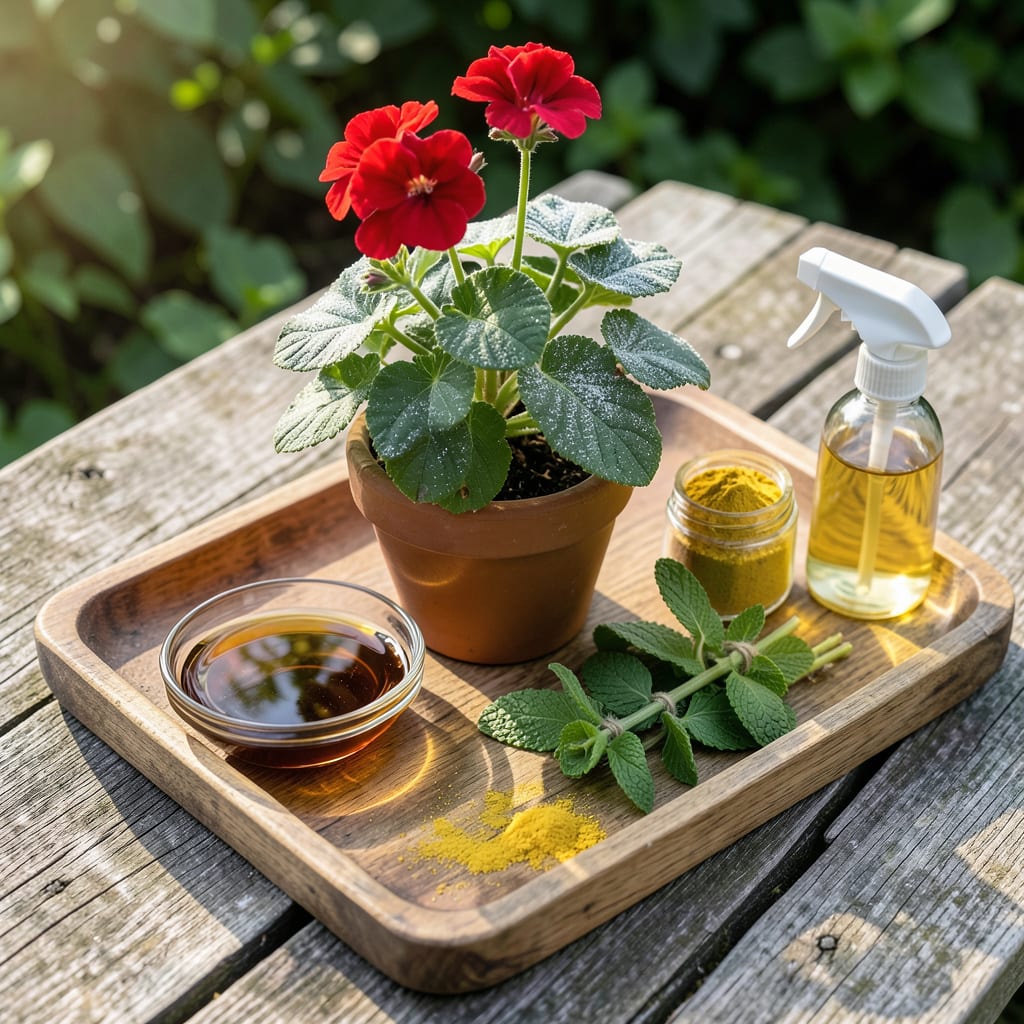
White spots on leaves, black stems, or powdery coatings mean fungus has moved in. I’ve lost count of how many plants I saved with early action.
Most fungal issues start with too much moisture on leaves or poor air flow. The fix isn’t complicated—just consistent. Remove affected parts first, then adjust care to stop the spread.
Organic sprays like neem oil or baking soda solutions work surprisingly well. Applied weekly, they’ll restore healthy growth without harsh chemicals.
Prevention is simpler than treatment: space plants properly, water at the base, and keep air moving. That’s how you keep them thriving long-term.
Plant fungi thrive under specific conditions, often signaling an imbalance in the growing environment. Understanding these triggers helps prevent outbreaks before they start.
Fungi love dampness. Overwatering, poor drainage, or high humidity creates a breeding ground for spores. When leaves stay wet for extended periods—especially in crowded plantings—fungal diseases like powdery mildew or leaf spot take hold. Botrytis cinerea (gray mold) is a common culprit in greenhouses or rainy climates.
Stagnant air traps moisture around foliage, accelerating fungal growth. Dense canopies, improper spacing, or cluttered garden beds restrict airflow, allowing spores to settle and germinate. Pruning and strategic planting can mitigate this risk.
Fungal spores linger in infected soil or on unsterilized gardening tools. Pathogens like Fusarium or Verticillium can survive for years, reinfecting new plants. Always disinfect tools and rotate crops to break the cycle.
Plants under stress—from nutrient deficiencies, extreme temperatures, or pest damage—are more vulnerable. Fungi exploit weakened defenses, so maintaining plant health through proper fertilization and care is key.
Addressing these root causes reduces the need for reactive treatments, keeping your garden vibrant and fungus-free.
Tackling plant fungus starts with identifying the root cause and applying targeted solutions. Here’s how to address the most common fungal issues and prevent future outbreaks.
Soggy soil is a breeding ground for fungus. Stop watering immediately and let the soil dry out. Repot the plant in fresh, well-draining soil mixed with perlite or sand. Use pots with drainage holes to avoid waterlogging. Prevention tip: 💡 Water only when the top inch of soil is dry, and always empty saucers after watering.
Stagnant air traps moisture, encouraging fungal growth. Prune dense foliage to improve airflow and space plants apart. If indoors, use a small fan on low to keep air moving. For outdoor plants, avoid crowding in garden beds. Prevention tip: ✨ Thin out plants regularly and avoid overhead watering to keep leaves dry.
For active infections, treat with organic fungicides like neem oil, baking soda solution (1 tsp baking soda + 1 quart water + a few drops of dish soap), or copper-based sprays. Apply in the early morning or late evening to avoid leaf burn. Remove and destroy heavily infected leaves or stems to prevent spread. Prevention tip: 🎯 Rotate fungicides to prevent resistance and always sterilize pruning tools with rubbing alcohol.
Fungus can linger in soil even after the plant recovers. Remove the plant and replace the soil entirely, or sterilize the existing soil by baking it in the oven at 200°F (93°C) for 30 minutes. For potted plants, consider using a fresh, high-quality potting mix. Prevention tip: 🌡️ Avoid reusing soil from infected plants and clean pots thoroughly before reuse.
Apply organic fungicides like neem oil every 7-10 days until the issue resolves. For severe infections, you may need weekly treatments. Always follow product instructions for chemical options.
It depends on the extent. Remove all infected parts first, then treat with fungicide. If the roots are affected, recovery is less likely. Prevention is easier than cure, so act at the first sign.
Recurring fungus usually means the environment hasn’t changed. Check for poor drainage, high humidity, or crowded plants. Address these to break the cycle.
Chemical options work faster but may harm beneficial insects. Organic treatments are safer for the ecosystem but require more frequent application. Choose based on your priorities.
