
Beautiful Plants For Your Interior
Beautiful Plants For Your Interior
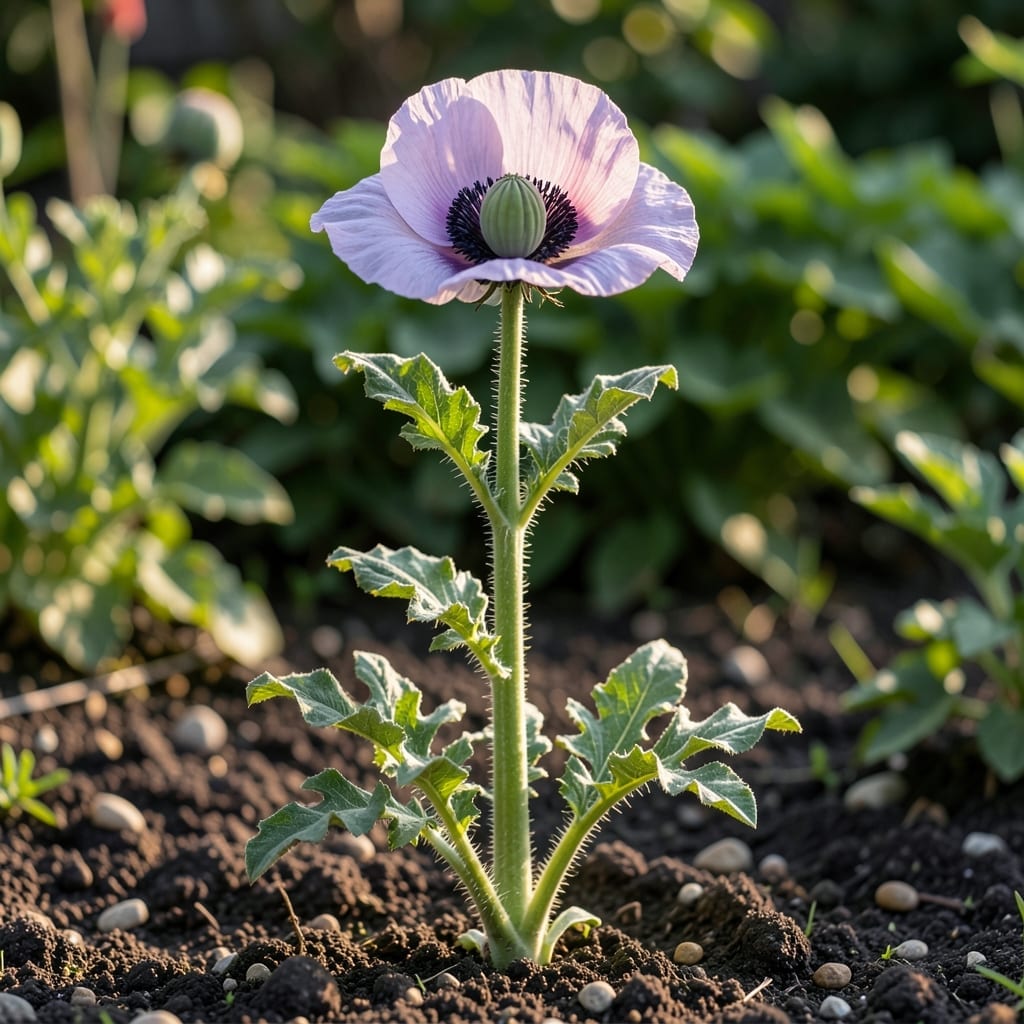
These towering poppies stop traffic in my front garden every June. Their papery 4-foot stems hold dinner-plate blooms that sway like silk in the breeze.
I learned the hard way that they hate soggy soil and demand full sun to reach their full height. Plant the seeds shallow—just a whisper of soil covers them—and they’ll sprout in 10-14 days.
Once established, they’re nearly care-free, but thin the seedlings to 12 inches apart. You’ll get stronger stems and bigger blooms that don’t flop over in the wind.
Perfect for cutting gardens or the back of borders where their height won’t block other plants.
The giant pod poppy phenomenon often stems from a mix of genetic, environmental, and cultural factors. Here’s why these poppies sometimes produce unusually large seed pods:
Some poppy varieties are naturally bred to develop larger pods. If you’ve planted a cultivar known for its Papaver somniferum lineage, genetics may be the primary driver. These heirloom or specialty strains are selected over generations for their exaggerated pod size, making them more prone to “giant” traits under the right conditions.
Ample sunlight, warm temperatures (70–85°F), and long growing seasons encourage excessive pod growth. Poppies thrive in full sun and well-draining soil; when these conditions are met, the plant directs more energy into seed production, enlarging the pods. Conversely, stress (like drought or poor soil) can also trigger oversized pods as the plant overcompensates to ensure reproduction.
Nitrogen-rich soils or excessive fertilizer can cause lush foliage and oversized pods. While poppies aren’t heavy feeders, an imbalance—especially high phosphorus—prompts the plant to prioritize seed development. Test your soil and amend cautiously to avoid unintended gigantism.
Heavy pollinator activity (bees, wind) can lead to over-pollination, where the pod swells to accommodate an abundance of seeds. If your garden attracts many pollinators, this natural process might be the culprit behind those towering pods.
Growing Papaver somniferum (the giant pod poppy) can be incredibly rewarding, but a few common problems may arise. Here’s how to tackle them with simple, actionable fixes—and tips to prevent them in the future.
If your seeds refuse to sprout, they may need light to germinate. Fix: Press seeds lightly into moist soil but do not cover them—poppies need light to trigger growth. Keep the soil consistently damp (not soggy) and maintain a temperature around 60–70°F.
Prevention: Start seeds indoors 6–8 weeks before the last frost, or sow directly in early spring or fall when temperatures are mild. Use fresh seeds, as viability drops after a year. 💡Pro tip: Chill seeds in the fridge for a week before planting to break dormancy.
Overwatering or poor drainage often causes droopy or yellow leaves. Fix: Let the top inch of soil dry out between waterings. If the plant is in a pot, ensure the container has drainage holes. For garden beds, amend heavy clay soil with compost to improve drainage.
Prevention: Water deeply but infrequently—once a week is usually enough once established. Avoid wetting the foliage to reduce disease risk.
Aphids and slugs love poppy leaves. Fix: Blast aphids off with a strong stream of water, or apply insecticidal soap. For slugs, set up beer traps or sprinkle diatomaceous earth around the base of plants.
Prevention: Encourage beneficial insects like ladybugs by planting companion flowers (e.g., marigolds or alyssum). Remove garden debris where pests hide. ✨Bonus: Copper tape around pots deters slugs effectively.
If your poppies are tall and floppy, they’re likely stretching for sunlight. Fix: Move potted plants to a sunnier spot (6+ hours of direct light daily). In garden beds, thin out nearby plants to reduce shade competition.
Prevention: Stake tall varieties early to support their growth. Choose a location with full sun from the start.
They typically reach 4 feet in height, with some varieties growing even taller under ideal conditions. Stake them early to support their towering stems and prevent flopping.
Sow seeds in early spring or fall when temperatures hover around 60–70°F. Avoid planting in summer heat, as it can inhibit germination.
Yes, they thrive in full sun (6+ hours daily). Without enough light, stems may become leggy and weak.
Oversized pods often result from genetics, over-fertilization, or heavy pollination. Stress or ideal growing conditions can also trigger this trait.