
Beautiful Plants For Your Interior
Beautiful Plants For Your Interior
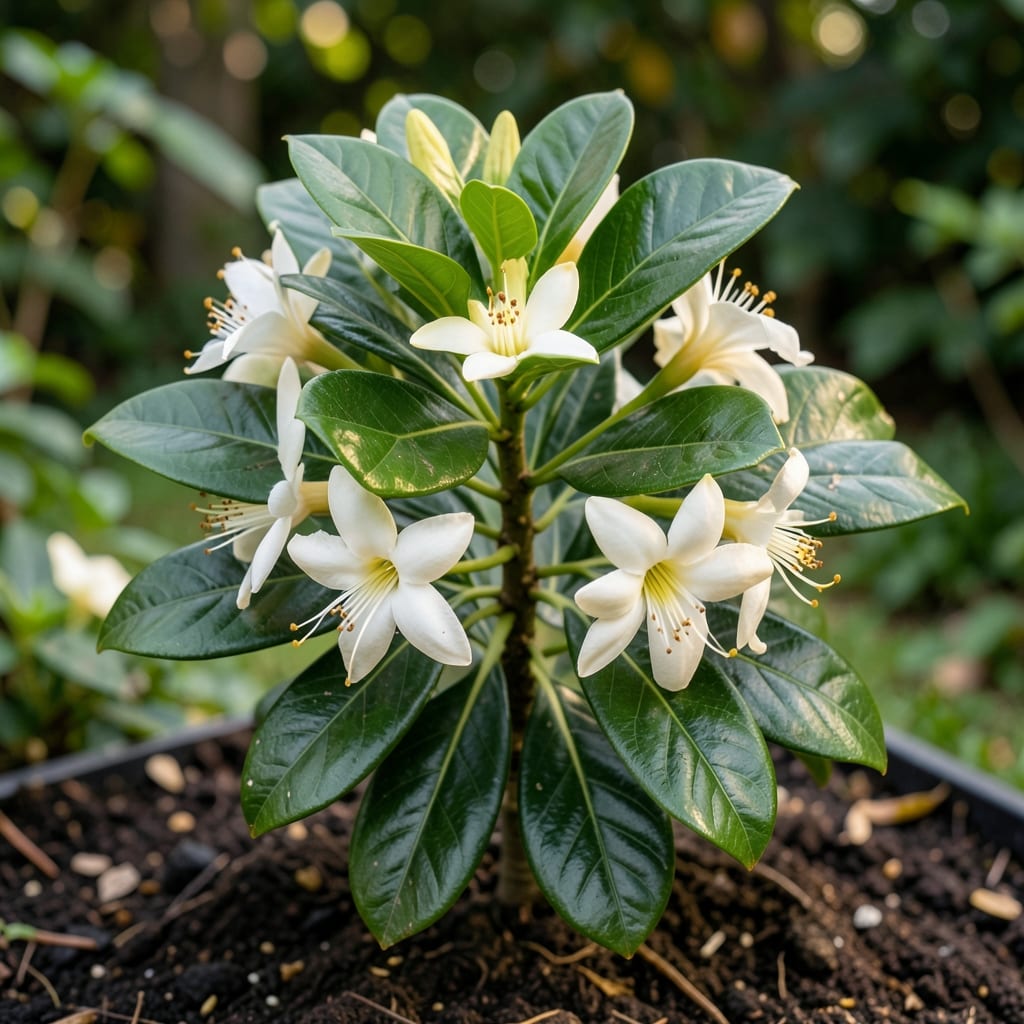
Yellow gardenia blooms broke my heart the first time I saw them. Here’s the thing—it’s rarely just one issue causing the discoloration, but a combination of factors your plant is trying to tell you about.
I learned the hard way that overwatering is usually the culprit, but pH imbalance and nutrient deficiencies can also turn those beautiful white flowers yellow. The good news? These are all fixable with some simple adjustments.
You’ll spot the early signs if you check your gardenias regularly: wilting leaves, yellowing petals, or stunted growth. Catching it early means you can often reverse the damage before it spreads.
Between you and me, keeping a garden journal helps track what works. We’ll walk through the most common causes and organic solutions that bring your gardenias back to their vibrant selves.
Yellowing gardenia flowers often signal underlying issues that disrupt their health. Below are the most common causes, explained with actionable insights.
Gardenia flowers turn yellow when essential nutrients like iron, magnesium, or nitrogen are lacking. Iron deficiency (chlorosis) appears as yellow leaves with green veins, while nitrogen deficiency causes uniform yellowing. Test your soil’s pH—gardenia thrive in acidic soil (pH 5.0–6.0). Use a chelated iron supplement or Epsom salt (for magnesium) to correct imbalances.
Too much water suffocates roots, leading to yellowing flowers and wilting. Gardenias prefer moist but well-drained soil. Ensure pots have drainage holes, and water only when the top inch of soil feels dry. Root rot (from Phytophthora fungi) also causes yellowing—treat with fungicide if detected.
Insufficient or excessive light can stress gardenias. Too little light (common indoors) weakens photosynthesis, causing yellow blooms. Conversely, harsh direct sun scalds petals. Place plants in bright, indirect light (east or north-facing windows) for optimal growth.
Sap-sucking pests like aphids, spider mites, or whiteflies drain nutrients, leading to yellowing. Inspect undersides of leaves for webbing or sticky residue (honeydew). Treat with neem oil or insecticidal soap, ensuring full coverage.
Gardenia are sensitive to cold drafts or sudden heat spikes. Yellowing may occur if exposed to temps below 60°F (15°C) or above 90°F (32°C). Maintain stable conditions and avoid placing near AC vents or heaters.
When your gardenia flowers start turning yellow, quick action can restore their vibrant white blooms. Below are targeted fixes for the most common causes, along with prevention tips to keep your plant thriving.
Yellowing often signals a lack of iron, magnesium, or nitrogen. Use a water-soluble, acid-forming fertilizer (like one for azaleas) every 2–4 weeks during growing season. For iron deficiency, apply chelated iron directly to the soil. Prevention: Test soil pH annually—gardenias need 5.0–6.0 for nutrient uptake.
Soggy roots cause yellow leaves and wilting. Let the top 1–2 inches of soil dry between waterings. Ensure pots have drainage holes, and use a well-draining, peaty mix. Prevention: Water deeply but infrequently, and avoid saucers that trap water.
Too much direct sun scorches leaves, while too little weakens the plant. Move gardenias to a spot with bright, indirect light (morning sun + afternoon shade is ideal). Prevention: Rotate potted plants weekly for even light distribution.
Spider mites, aphids, and scale suck sap, causing yellow spots. Wipe leaves with neem oil solution (1 tbsp oil + 1 tsp mild soap per quart of water) weekly until pests vanish. Prevention: Mist leaves regularly to deter mites and inspect undersides for early signs.
Gardenias hate drafts or sudden temperature drops. Keep them in 65–75°F during the day and above 60°F at night. Move indoor plants away from AC vents or heaters. Prevention: Use a thermometer to monitor microclimates near windows.
💡 Pro Tip: Yellow leaves won’t turn green again—prune them to redirect energy to healthy growth!
Yes, soggy roots suffocate the plant, leading to yellowing. Let the top 1-2 inches of soil dry between waterings and ensure pots have drainage holes.
Use an acid-forming fertilizer every 2-4 weeks during growing season. Test soil pH annually—gardenias need 5.0-6.0 for proper nutrient uptake.
Place gardenias in bright, indirect light, like east or north-facing windows. Morning sun with afternoon shade works perfectly for most varieties.
No, once leaves yellow they won’t recover. Prune them to redirect energy to healthy growth and prevent further stress.