
Beautiful Plants For Your Interior
Beautiful Plants For Your Interior
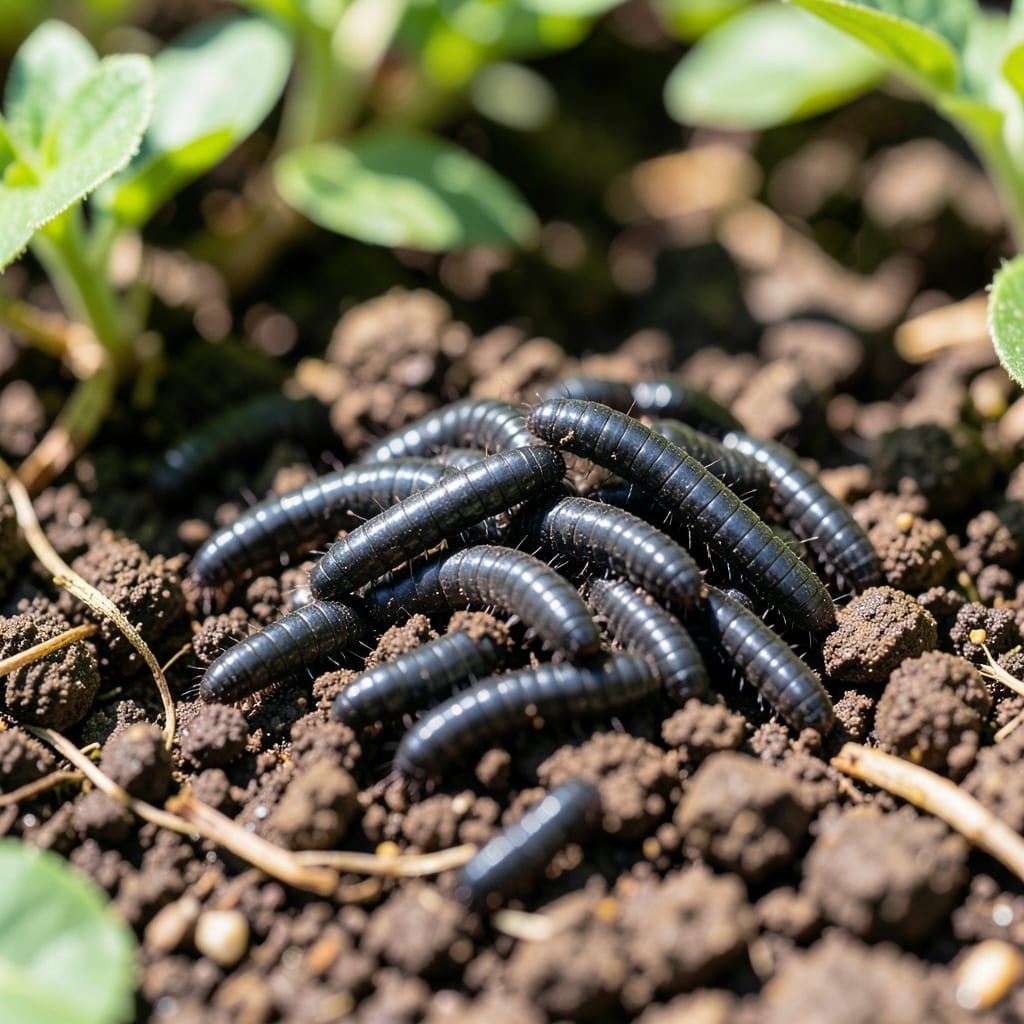
Healthy soil teems with life, but some bugs cross the line. I’ve lost seedlings overnight to unseen pests and learned the hard way that not all soil visitors are friends.
The usual suspects—grubs, cutworms, and root maggots—attack underground, stunting growth or killing plants outright. The damage often looks like wilting or yellowing, even when the soil seems fine. Most gardeners don’t notice until it’s too late.
Here’s the thing—you don’t need harsh chemicals. Simple barriers, beneficial nematodes, and crop rotation break the pest cycle naturally. The best defense starts before planting with clean soil and vigilant monitoring.
Works for vegetable beds, containers, and ornamental gardens alike. Let’s protect your plants without poisoning the earth.
Garden pests in the soil don’t show up without reason. Several environmental and biological factors create the perfect conditions for them to thrive. Understanding these causes helps you address the root of the problem—not just the symptoms.
Excess moisture is a primary attractant for many soil-dwelling bugs like fungus gnats and pill bugs. When soil stays soggy due to overwatering or poor drainage, it creates an anaerobic environment that decomposes organic matter slowly. This process releases nutrients that feed both microbial life and pests. Action: Improve drainage with perlite or sand, and water only when the top inch of soil is dry.
Decaying leaves, grass clippings, and uncomposted mulch provide food and shelter for bugs like earwigs and sow bugs. As this organic matter breaks down, it releases heat and gases that signal to pests: “Free buffet here!” Action: Remove debris regularly and use well-aged compost to avoid attracting unwanted visitors.
Soil that’s rich in organic material and protected from extreme temperatures (e.g., under dense mulch or thick plant canopies) becomes a cozy home for grubs and beetle larvae. These bugs lay eggs in warm, undisturbed soil, where larvae can feed safely. Action: Rotate crops, till lightly in fall, and expose soil to sunlight periodically to disrupt their life cycle.
Healthy soil ecosystems rely on balance. When beneficial predators like ground beetles or nematodes are absent—often due to pesticide use or monoculture planting—pest populations explode. Action: Introduce beneficial insects or plant companion species (e.g., marigolds) to restore natural checks.
Dealing with garden bugs in soil doesn’t have to mean reaching for harsh chemicals. Here’s how to tackle common issues with simple, natural fixes—and keep your garden thriving.
Soggy soil attracts fungus gnats and root maggots. Fix it by amending heavy clay or compacted soil with compost or sand to boost drainage. Water only when the top inch of soil feels dry. Prevention tip: 💡 Use raised beds or containers if drainage is a recurring issue.
Rotting leaves or mulch can harbor pill bugs and millipedes. Fix it by clearing plant debris and turning the soil to expose pests to sunlight. Replace old mulch with fresh, dry layers. Prevention tip: ✨ Keep garden beds tidy and avoid over-mulching.
Weak soil invites harmful bugs. Fix it by adding nematodes (for grubs) or diatomaceous earth (for crawlers). Mix in compost to restore balance. Prevention tip: 🎯 Rotate crops yearly to disrupt pest life cycles.
For larger pests like beetles or slugs, handpick them off plants at dusk or dawn. Set up beer traps (for slugs) or yellow sticky cards (for flying insects). Prevention tip: 🌡️ Encourage natural predators like birds or ladybugs with native plants.
Small changes make a big difference—start with one fix and watch your garden bounce back!
Look for wilting, yellow leaves, or stunted growth despite proper care. Dig gently around roots to spot grubs or larvae. Healthy roots are white and firm, while damaged ones appear brown or mushy.
No, many like earthworms and ground beetles benefit soil health. Only pests like cutworms or root maggots damage plants. Encourage beneficials by avoiding pesticides and adding organic matter.
Start with barriers like collars for cutworms or traps for slugs. Use diatomaceous earth or beneficial nematodes for natural control. Always try the least invasive method first.
Yes, soggy soil attracts fungus gnats and pill bugs. Let the top 1 inch of soil dry between waterings and improve drainage with compost or sand.